
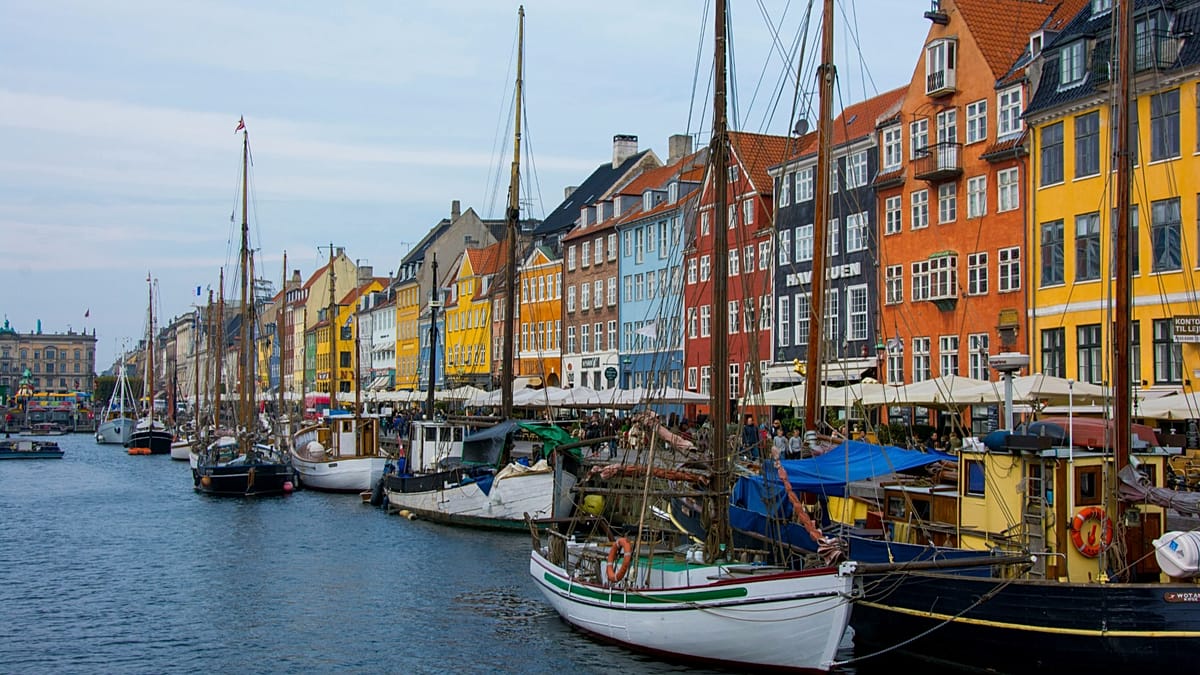
European cities are quietly transforming themselves into places where traveling with children feels less like an endurance test and more like an actual holiday. The shift is real, and it’s picking up speed heading into 2026.
Across the continent, urban planners and tourism authorities are rethinking how public spaces, transport networks, and city centers work — with families specifically in mind. Step-free access, safer streets, better-lit public areas, and more open green spaces are becoming standard features rather than exceptions. For parents who’ve wrestled a stroller through a cramped metro or spent twenty minutes hunting for a lift in a train station, that matters enormously.
The broader travel trend is also shifting. Families are increasingly choosing shorter, simpler city breaks over long, complicated holidays. European cities are well-positioned to meet that demand — and many are actively competing for it.
Why Family City Breaks in Europe Are Changing in 2026
The driving force behind this shift is deliberate policy, not accident. Tourism authorities across Europe want to attract global family visitors, and that means investing in the basics: easy-to-navigate transport, accessible public spaces, and attractions that genuinely engage children without exhausting parents.
Public transport is becoming more intuitive. Many cities have introduced or expanded step-free access across metro and tram networks, making it far easier to travel with pushchairs and young children. Parks and open recreational spaces are growing. Street safety is improving. These aren’t cosmetic changes — they’re the kind of practical upgrades that determine whether a family has a smooth trip or a stressful one.
Officials and tourism planners have noted that families now prioritize ease of navigation and child-friendly infrastructure when choosing a destination. Long queues, confusing transit systems, and a lack of family-oriented spaces are the fastest ways to lose that audience. Cities that solve those problems are seeing the results.
What Makes a European City Genuinely Family-Friendly
Not every city that markets itself as family-friendly actually delivers on the ground. The ones that do tend to share a set of consistent characteristics that make travel with children noticeably smoother.
- Step-free public transport — Accessible metro, tram, and bus systems that work for strollers and young children without requiring complicated workarounds
- Safe, well-lit streets — A basic but critical factor that directly affects how confident parents feel exploring with children, especially in the evenings
- Plentiful parks and open spaces — Green areas where children can run, play, and decompress between activities make a significant difference to how a trip feels
- Easy navigation — Cities with clear signage, logical layouts, and good multilingual information reduce the cognitive load on parents considerably
- Attractions designed for mixed ages — Destinations where adults and children are equally engaged, rather than parents simply enduring a children’s activity
- Short travel distances between key sights — Compact city centers mean less time in transit and more time actually experiencing the place
The combination of these factors is what separates a city that’s technically accessible from one that genuinely feels easy and enjoyable to explore as a family.
The Practical Reality for Parents Planning a Trip
For families weighing up where to go in 2026, the good news is that the gap between “great for adults” and “great for families” is narrowing in many European cities. Infrastructure improvements are making destinations that might once have felt too complicated — cobblestone-heavy historic centers, sprawling metro systems, language barriers — far more manageable.
| Family Travel Factor | What’s Improving Across European Cities | Why It Matters for Families |
|---|---|---|
| Public Transport Access | Step-free access being expanded across networks | Easier travel with strollers and young children |
| Street Safety | Better lighting and pedestrian-focused design | Parents feel more confident exploring freely |
| Green Spaces | More parks and open recreational areas | Children have space to play and recharge |
| Navigation | Clearer signage and multilingual information | Less stress, more time enjoying the destination |
| Trip Length | Cities optimized for short city breaks | Families can travel without lengthy commitments |
The trend toward shorter city breaks is particularly relevant here. A well-designed urban destination can deliver a genuinely memorable family experience in two or three days. That’s a compelling proposition for parents who can’t always take extended time off, or who are traveling with younger children who do better with shorter trips.
Who Benefits Most From These Changes
The families who stand to gain most from Europe’s evolving approach to urban tourism are those who previously found city travel too logistically demanding — parents of toddlers and young children, families traveling with elderly grandparents, and visitors who don’t speak the local language and rely heavily on clear public information.
Improved stroller access, safer pedestrian environments, and more child-focused attractions lower the barrier to entry significantly. A city that once required careful advance planning and local knowledge to navigate smoothly becomes a destination that works for first-time visitors arriving with a five-year-old and a carry-on bag.
Tourism authorities across Europe appear to understand this. The investment in family-friendly infrastructure isn’t purely altruistic — it’s a strategy to compete for a growing segment of international visitors who have real choices about where to spend their travel budgets.
What to Watch for as 2026 Progresses
The improvements already underway across European cities are expected to continue building through 2026. Transport upgrades, public space redesigns, and tourism initiatives targeting families are ongoing rather than completed projects. That means the experience of visiting many of these cities is likely to keep improving over the course of the year.
For families currently in the planning stage, the practical advice is straightforward: prioritize cities that have invested in accessible transport and walkable city centers. Check for step-free options before you travel. Look for destinations where the main attractions are clustered closely enough that you’re not spending half your trip in transit.
The cities that have done the work to make themselves genuinely easy for families to navigate are the ones worth putting at the top of the list.
Frequently Asked Questions
Why are European cities becoming more family-friendly in 2026?
Tourism authorities across Europe are actively investing in better infrastructure — including accessible transport, safer streets, and more open green spaces — to attract global family visitors.
What transport improvements are making cities easier for families?
Many European cities are expanding step-free access across public transport networks, making it significantly easier to travel with strollers and young children.
Are shorter city breaks better for families than longer holidays?
According to the trend data, families are increasingly choosing short, simple city breaks over longer holidays, and European cities are redesigning their offerings to suit that preference.
What should parents prioritize when choosing a European city for a family trip?
Key factors include accessible public transport, safe and well-lit streets, proximity of attractions to one another, and the availability of parks and open spaces for children.
Which specific cities are considered the best for family travel in Europe in 2026?
Is family city travel in Europe expected to keep improving beyond 2026?
Based on the ongoing nature of the infrastructure and tourism investments described, the improvements appear set to continue rather than plateau in the near term.




Leave a Reply