
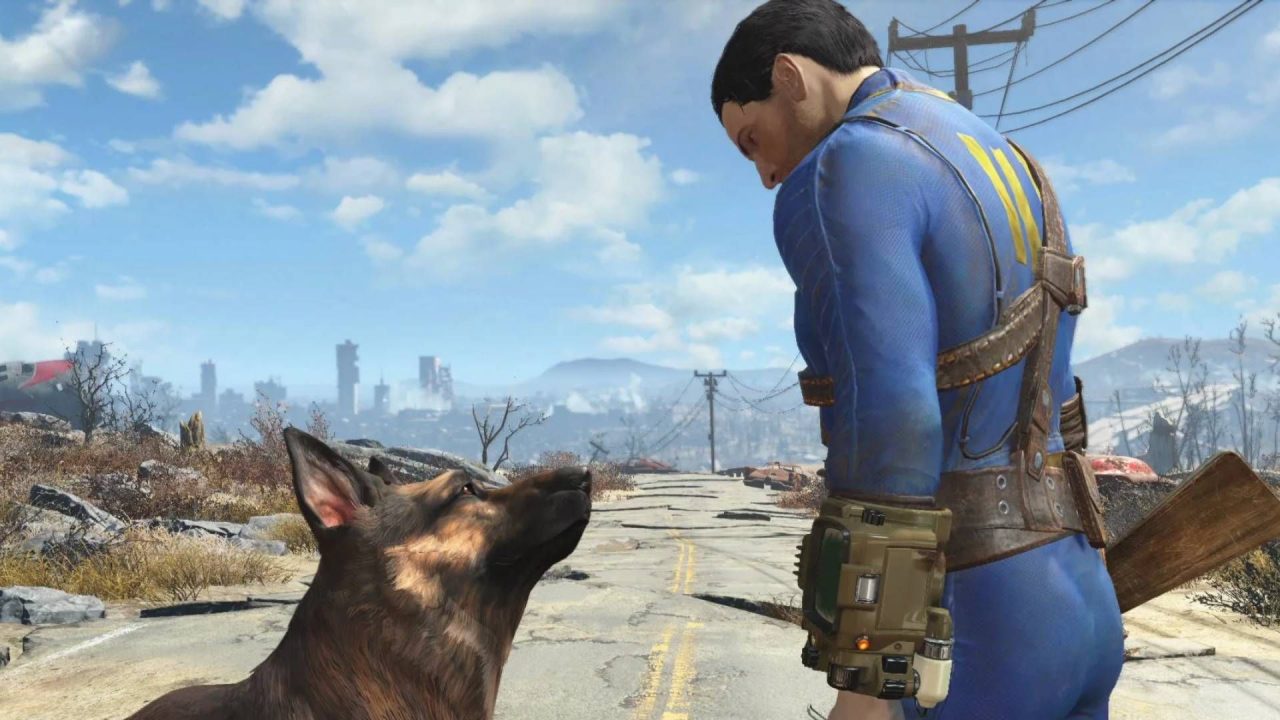
Bethesda’s paid mod system has been controversial since the moment it launched in 2017, and nearly a decade later, the company’s boss is making clear it isn’t going anywhere. In fact, it sounds like Bethesda wants more people using it — not fewer.
Todd Howard, the head of Bethesda, has confirmed that the studio has no plans to scale back paid mods for Fallout 4. Instead, the goal is to expand the reach of the game’s Creation content and put it in front of a larger audience. For players who were hoping the studio might quietly move away from the monetization model, that answer is a firm no.
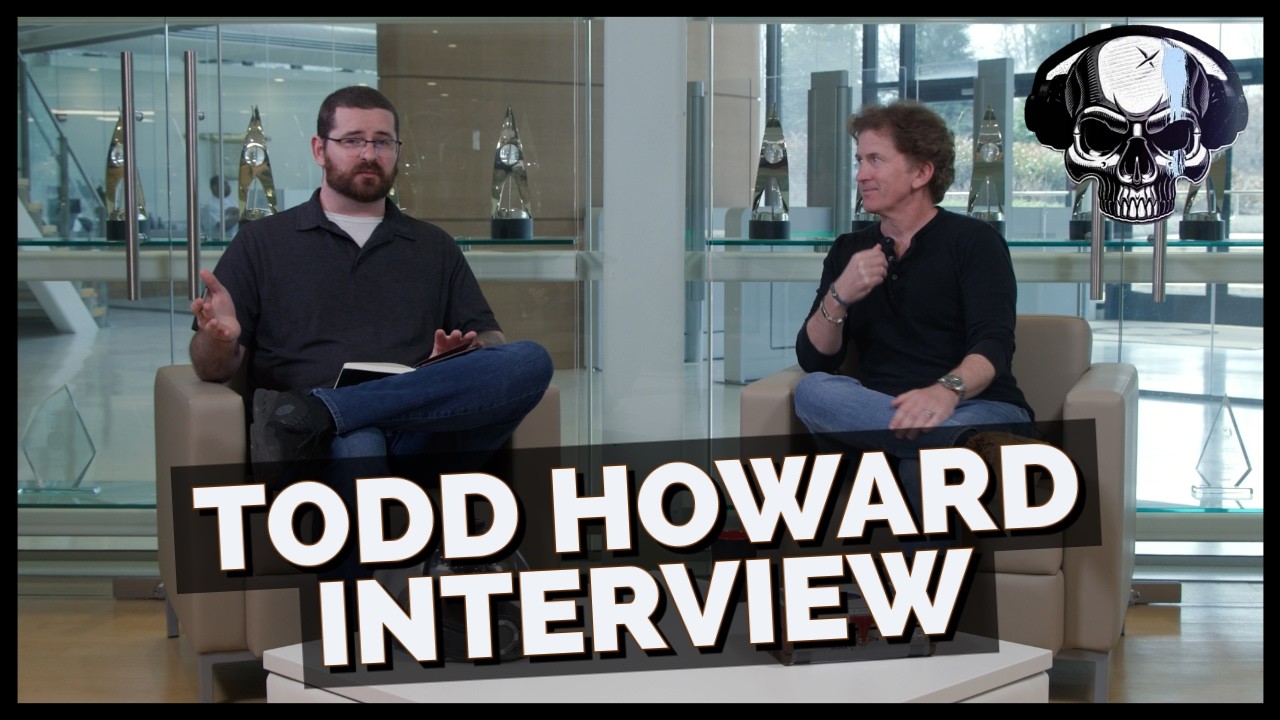
It’s a statement that lands at a particularly sensitive time. Howard has already drawn criticism in recent months over comments he made about the development timeline of The Elder Scrolls VI, and this latest confirmation is unlikely to win back the fans who have grown frustrated with Bethesda’s direction.
What Bethesda’s Creation Content Actually Is
For anyone who hasn’t followed this closely, a quick explainer: Bethesda’s Creation Club — the system behind what’s now broadly referred to as “Creation content” — was introduced in 2017 as a way for players to purchase officially sanctioned mods for games like Fallout 4 and Skyrim.
Unlike the free mods available through community platforms, Creation content is paid. Bethesda has positioned it as a curated marketplace offering higher-quality, officially supported add-ons. Critics, however, have long argued that it takes content which the modding community would traditionally provide for free and puts it behind a paywall.
The debate has never fully gone away. Every time Bethesda resurfaces the topic — whether through a new game launch, a re-release, or a statement from Howard — it reignites the same core argument: should content built on community creativity be sold back to that same community?
Why Todd Howard’s Comments Are Fueling the Fire
Howard’s latest remarks don’t appear to be a defensive response to criticism. They read more like a forward-looking commitment. The stated aim is to bring Creation content “in front of more people” — language that suggests expansion, not retreat.
That framing matters. It tells players that Bethesda sees paid mods not as a legacy system it’s stuck with, but as something it actively wants to grow. Whether that means more content, wider platform availability, or deeper integration into future titles hasn’t been fully detailed based on the available information — but the direction of travel is clear.
For the Fallout 4 community specifically, this is significant. The game has remained remarkably active, bolstered in part by the surge of interest that followed the Fallout TV series on Amazon Prime Video. A refreshed or expanded paid content offering would arrive into an audience that is, right now, larger than it has been in years.
The Paid Mods Debate: Where the Two Sides Stand
This is one of gaming’s most reliably divisive arguments, and it’s worth laying out both positions clearly.
| Perspective | Core Argument |
|---|---|
| In favor of paid Creation content | Creators deserve compensation for their work; official support ensures quality and compatibility |
| Against paid Creation content | Modding has always been free; paywalling community-style content undermines the culture that made Bethesda games popular |
| Bethesda’s stated position | Plans to expand reach and bring Creation content to more players, with no intention of scaling back |
| When the system launched | 2017, initially for Fallout 4 and The Elder Scrolls V: Skyrim |
Supporters of the model argue that paid mods, when done properly, can elevate the quality of post-launch content and ensure that the people creating it are actually rewarded. Critics counter that the existence of a paid tier has a chilling effect on free modding, and that Bethesda benefits disproportionately from a system built on its community’s creativity.
What This Means for Fallout 4 Players Right Now
If you’re actively playing Fallout 4 in 2026, this confirmation has a few practical implications worth considering.
- Paid Creation content for Fallout 4 is not being discontinued — it remains an active part of Bethesda’s plans
- The studio intends to reach more players with this content, which could mean increased visibility or new offerings
- Free community mods through external platforms remain available and are unaffected by Bethesda’s internal plans
- Players who have avoided paid mods on principle should expect no change in Bethesda’s approach based on current statements
For those who enjoy the Creation content and have no objection to paying for it, this is straightforwardly good news — more content, more players engaging with it, and a studio committed to keeping it alive. For those who object to the model on principle, Howard’s comments offer no indication that their concerns are being heard internally.
What Happens Next for Bethesda and Its Paid Content Plans
The broader context here is hard to ignore. Bethesda is a studio in a holding pattern in some respects — The Elder Scrolls VI is years away by most reasonable estimates, and Fallout 5 is even further out. In the meantime, keeping existing titles like Fallout 4 commercially active through ongoing content drops makes straightforward business sense.
Whether that expansion of Creation content will include new Fallout 4 material specifically, or whether Howard’s comments reflect a wider philosophy that will carry into future titles, has not been confirmed based on available reporting. What is confirmed is the intent: grow the audience for paid Creation content, not shrink it.
Given the ongoing tension between Bethesda and portions of its fanbase — over Elder Scrolls VI timelines, over paid mods, over the reception to recent releases — how that expansion is handled will matter as much as the content itself.
Frequently Asked Questions
When did Bethesda’s paid mod system first launch?
Bethesda introduced its Creation content system in 2017, initially for games including Fallout 4.
Has Todd Howard confirmed new Fallout 4 paid content is coming?
Howard confirmed that Bethesda has no plans to scale back paid mods and intends to bring Creation content in front of more people, though specific new releases have not been detailed in available reporting.
Will free community mods for Fallout 4 be affected?
Based on available information, Bethesda’s paid Creation content system operates separately from free community mods available through external platforms, and no changes to free modding have been announced.
Why has Todd Howard faced criticism recently?
Howard has drawn criticism both for comments surrounding The Elder Scrolls VI’s development timeline and now for confirming the continuation and planned expansion of Bethesda’s paid mod system.
Is Bethesda planning to bring Creation content to more platforms?
The stated goal is to bring Creation content “in front of more people,” but the specific methods for doing so have not been confirmed based on currently available reporting.
Does this affect plans for future Bethesda games like Elder Scrolls VI?
This has not yet been confirmed — Howard’s comments were specifically tied to Creation content and paid mods, not to future unannounced titles.

Leave a Reply