
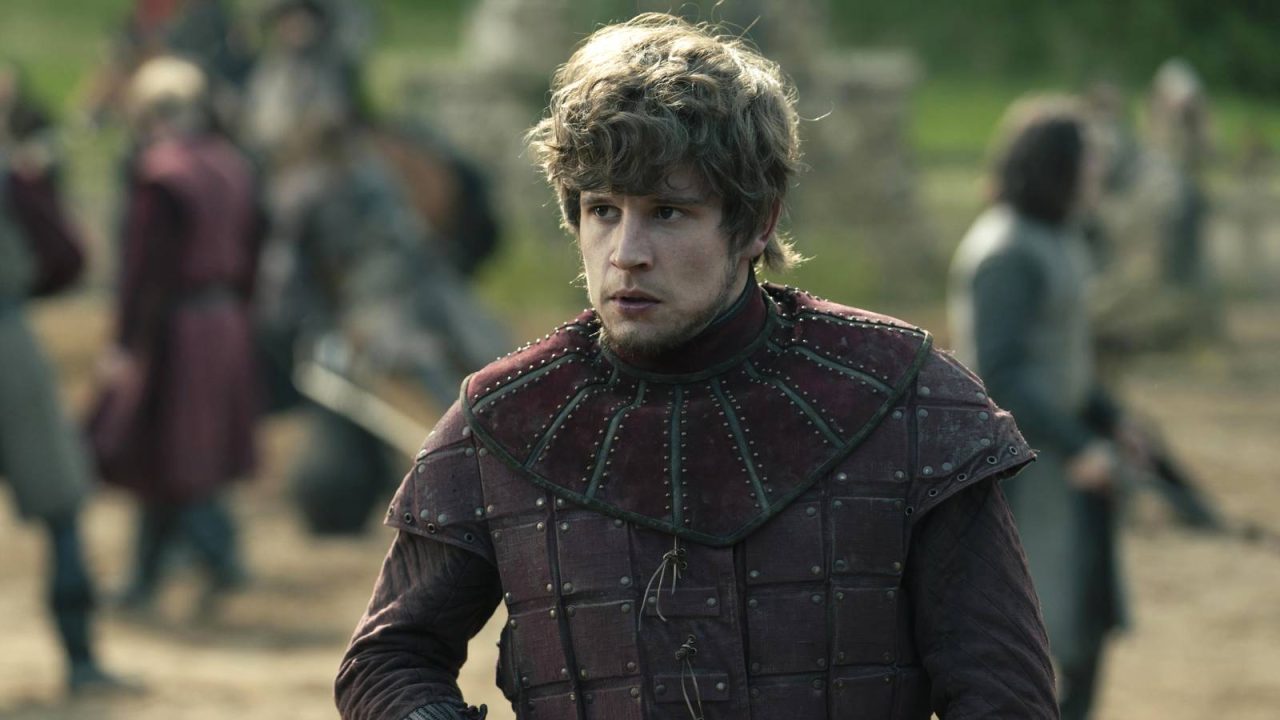
Fantasy television has always had rules — chosen heroes, clear villains, magic systems explained in tidy exposition, and worlds where good eventually triumphs. For decades, those conventions held. Then a wave of shows arrived and quietly dismantled them, one trope at a time.
The topic here is straightforward but genuinely worth examining: certain fantasy TV series have pushed the genre in directions audiences didn’t see coming, challenging what viewers expect from world-building, character, and storytelling. The shows that do this best aren’t just entertaining — they change how you watch everything else afterward.
Because
Why Fantasy Television Keeps Reinventing Itself
Fantasy as a genre carries enormous creative baggage. Tolkien’s shadow is long. Joseph Campbell’s hero’s journey became so embedded in Hollywood storytelling that audiences learned to predict narrative beats almost unconsciously. For a long time, television fantasy leaned into those expectations rather than against them.
What shifted things wasn’t one show — it was a gradual accumulation of series that chose to treat the genre’s conventions as a starting point rather than a destination. Some stripped out the comforting certainty that heroes survive. Some built magic systems so internally rigorous they felt more like science. Others centered voices and perspectives that epic fantasy had historically pushed to the margins.
The result is a television landscape where fantasy is now one of the most formally adventurous genres on screen, not despite its fantastical elements but because of them.
The Shows That Pushed Fantasy TV Into New Territory
Several series stand out as genuinely influential in reshaping what fantasy television can be. These aren’t simply popular shows — they’re ones that altered the genre’s vocabulary in measurable ways.
- Game of Thrones (HBO, 2011–2019) — Whatever its later controversies, the early seasons demonstrated that fantasy could carry the moral weight and political complexity of prestige drama. The show’s willingness to kill major characters without narrative warning reset audience expectations across the entire genre.
- The Witcher (Netflix, 2019–present) — Adapted from Andrzej Sapkowski’s novels, the series brought a morally grey protagonist into mainstream fantasy television, where the monster-hunter is often more monstrous than the monsters, and heroism is complicated by economic survival.
- His Dark Materials (BBC/HBO, 2019–2022) — Philip Pullman’s adaptation finally reached screens in a form that honored its philosophical ambitions, treating its young audience as capable of engaging with questions about consciousness, institutional power, and the nature of the soul.
- The Sandman (Netflix, 2022–present) — Neil Gaiman’s long-unadaptable comic series finally found a television form that preserved its literary structure, treating mythology, dream, and death not as genre furniture but as genuine emotional and philosophical terrain.
- Shadow and Bone (Netflix, 2021–2023) — Brought a distinctly non-Western-European fantasy world to mainstream streaming audiences, drawing on Russian imperial aesthetics and centering characters whose identities had rarely anchored a mainstream fantasy narrative.
- The Wheel of Time (Amazon Prime Video, 2021–present) — Robert Jordan’s sprawling epic, long considered unfilmable due to its scale, reached television with a conscious decision to reframe its central prophecy around a female protagonist, shifting the genre’s default assumptions about who gets to be the chosen one.
What These Shows Actually Changed
| Show | Network/Platform | Key Genre Shift |
|---|---|---|
| Game of Thrones | HBO | Proved fantasy could anchor prestige drama; removed narrative safety nets |
| The Witcher | Netflix | Normalized moral ambiguity as a central fantasy value, not a subversive one |
| His Dark Materials | BBC / HBO | Brought philosophical and anti-institutional themes to mainstream fantasy |
| The Sandman | Netflix | Demonstrated that literary, non-linear fantasy structure works on screen |
| Shadow and Bone | Netflix | Expanded fantasy’s geographic and cultural imagination beyond Western Europe |
| The Wheel of Time | Amazon Prime Video | Challenged the genre’s default male-hero prophecy structure |
Each of these shifts sounds small in isolation. Collectively, they represent a genre that has genuinely grown up — not by abandoning wonder or spectacle, but by refusing to let those things substitute for meaningful storytelling.
Why This Matters for Anyone Who Watches Fantasy
The practical consequence of these changes is that modern fantasy television now demands more from its audience — and rewards that demand. Viewers who grew up on straightforward hero narratives are now watching shows that ask them to hold ambiguity, track complex moral landscapes, and care about characters who may not survive to the finale.
That’s a genuine shift in the relationship between genre entertainment and its audience. Fantasy used to be a space where the rules were known and comfort was part of the contract. The best contemporary fantasy series have replaced that comfort with something more durable: investment, surprise, and the sense that the story’s outcome is genuinely uncertain.
For casual viewers, this means the entry bar for some of these shows is higher than it used to be. For committed fans, it means the ceiling is dramatically higher too.
Where Fantasy Television Goes From Here
The genre shows no signs of contracting. Streaming platforms continue to invest heavily in fantasy adaptations, and
The question now isn’t whether fantasy television can be ambitious. That’s been answered. The question is whether the genre can sustain that ambition across longer runs, avoid the structural collapse that undid later seasons of several pioneering shows, and continue finding new conventions worth challenging rather than simply replicating the aesthetic of the shows that came before.
The genre rewrote its own rules once. Whether it can keep doing so — or whether those new rules simply become the next set of clichés — is the more interesting story still unfolding.
Frequently Asked Questions
What makes a fantasy TV show genuinely influential rather than just popular?
Influence means the show changes how subsequent series are made or how audiences approach the genre — not just how many people watched it. The shows listed here altered storytelling conventions, not just viewership numbers.
Is Game of Thrones still considered a benchmark for the genre despite its divisive final season?
Widely, yes. Its early seasons fundamentally changed what prestige television fantasy looked like, and that influence persists regardless of how the series ended.
Are any of these shows still in production?
As of publicly available information, The Witcher, The Sandman, and The Wheel of Time remain active productions, though status can change with each platform’s renewal decisions.
Do these shows require familiarity with the source books to enjoy?
Generally no — most were designed to function as standalone viewing experiences, though readers of
Why has streaming been so central to fantasy television’s evolution?
Streaming platforms have been willing to invest in longer episode runtimes, full season orders before broadcast, and source material that traditional networks considered too complex or expensive to adapt.
What should someone watch first if they’re new to serious fantasy television?
This depends on personal preference, but His Dark Materials and The Sandman are frequently cited as strong entry points for viewers who want emotional and philosophical depth alongside the genre’s fantastical elements.

Leave a Reply