
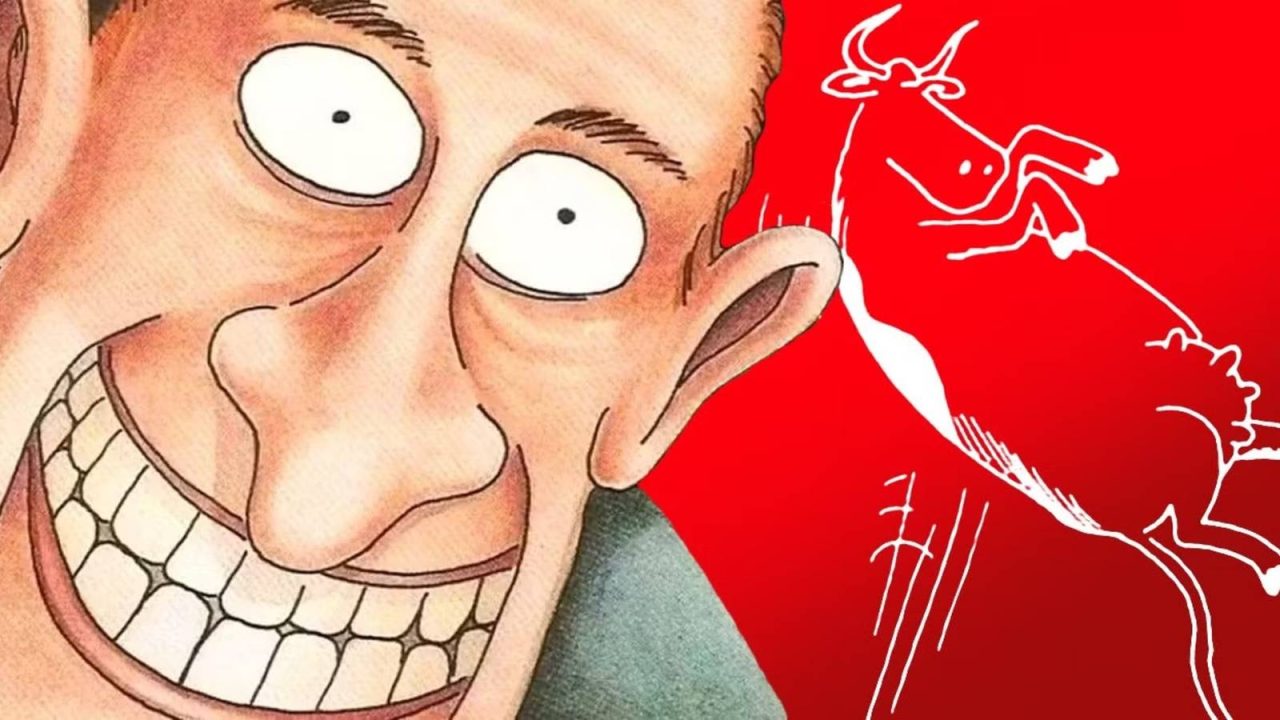
Few creative works hit the ground running the way The Far Side did. Gary Larson’s single-panel comic strip debuted in 1980, and from nearly the first week, it was doing things that no newspaper comic had ever attempted — or, frankly, dared to attempt.
The argument that The Far Side had the best first year of any comic strip in history is not a casual one. It’s a claim grounded in the sheer originality, consistency, and creative ambition that Larson brought to the page before most cartoonists had even found their voice.
So what makes that debut year so remarkable? And why does it still hold up as a benchmark nearly five decades later?
What Made The Far Side’s First Year Unlike Anything Before It
Most comic strips take time to find themselves. Early Peanuts strips look nothing like the version that made Charles Schulz a legend. Early Calvin and Hobbes, by Bill Watterson’s own admission, needed months to settle into its rhythm. That’s normal. That’s how creative work develops.
Larson didn’t follow that pattern. From the earliest strips, The Far Side arrived with a fully formed worldview — absurdist, dark, scientifically curious, and completely indifferent to the conventions of newspaper comics. Cows held philosophical debates. Scientists met gruesome fates. Animals observed humans with the same detached bewilderment humans usually reserve for animals.
The voice was there from the start. That alone is extraordinary.
The Strip That Rewrote the Rules of What a Comic Could Be
The Far Side operated in a single panel — no sequential storytelling, no recurring storyline, no character development across strips. Every joke had to land entirely on its own. That format is punishing. There’s nowhere to hide.
And yet Larson used that constraint as a creative engine. Each panel was a complete world, often built around a single absurd premise pushed to its logical extreme. A dog calling a cat’s bluff. A scientist realizing mid-experiment that something has gone terribly wrong. An animal quietly plotting revenge.
The humor was layered in a way newspaper comics rarely attempted. You could get the joke immediately, or you could sit with it for a moment and find a second, darker joke underneath. That depth was present from year one.
Why the First Year Stands Apart — Even From the Rest of The Far Side’s Run
This is where the argument gets genuinely interesting. The Far Side ran from 1980 to 1995, producing thousands of strips. Many of the most beloved and iconic panels came in later years. So why single out the first year specifically?
Because originality has a context. When Larson published those early strips, nothing like them existed in newspaper comics. Readers and editors had no framework for what they were looking at. The strips were rejected by some papers, complained about by readers, and occasionally pulled by nervous editors.
That resistance is actually evidence of just how different the work was. A comic that confuses and unsettles people in its first year — while simultaneously building a devoted audience — is doing something genuinely new. That’s harder than refining something that already exists.
How The Far Side’s Debut Year Compares to Other Landmark Comics
Placing The Far Side‘s first year against other celebrated comic debuts helps illustrate the point. Most legendary strips required significant time before they reached the level of craft and confidence that defined them.
| Comic Strip | Debut Year | Time to Reach Creative Peak | First Year Voice Fully Formed? |
|---|---|---|---|
| Peanuts | 1950 | Several years | No |
| Calvin and Hobbes | 1985 | 12–18 months | Partially |
| Garfield | 1978 | 2–3 years | No |
| The Far Side | 1980 | Immediate | Yes |
The table above reflects the general critical and historical consensus around these strips’ development arcs. The Far Side is the clear outlier — a strip that arrived fully realized and immediately unlike anything else on the comics page.
What This Means for Anyone Who Loves Comics
For readers who grew up with The Far Side, this history adds another layer to an already beloved work. But for anyone interested in creativity and craft more broadly, Larson’s debut year offers something genuinely instructive.
The conventional wisdom is that artists need time to develop. And they usually do. But occasionally someone arrives with a perspective so fully formed, so internally consistent, that the usual rules don’t apply. Larson was one of those rare cases.
He wasn’t refining a style in public. He was executing one that already existed, fully assembled, somewhere in his imagination. The first year of The Far Side wasn’t a warm-up. It was the real thing, from day one.
The Far Side remains one of the most widely read and reprinted comic strips ever produced, and its official website has introduced the work to new generations of readers since Larson launched it in 2019. The legacy is secure. But understanding just how unusual that first year was makes the whole story richer.
Frequently Asked Questions
When did The Far Side first appear in newspapers?
Gary Larson’s The Far Side debuted in 1980 and ran continuously until Larson retired the strip in 1995.
What made The Far Side different from other newspaper comics?
The Far Side used a single-panel format built on absurdist, often dark humor rooted in science, nature, and human behavior — a style that had no real precedent in mainstream newspaper comics at the time.
Did The Far Side face resistance when it first launched?
Yes. Some newspapers rejected or pulled early strips, and some readers complained, which reflects just how unconventional the comic was compared to what audiences expected from the format.
How does The Far Side’s first year compare to Calvin and Hobbes or Peanuts?
Unlike most celebrated strips, which required months or years to fully develop their voice, The Far Side is widely regarded as having arrived fully formed from its earliest strips — an unusual creative achievement in the history of the medium.
Is The Far Side still available to read today?
Gary Larson launched an official Far Side website in 2019, making the strip accessible to new and returning readers online.
Who created The Far Side?
Gary Larson created and drew every strip in The Far Side‘s fifteen-year run, working as a solo cartoonist throughout the comic’s entire history.


Leave a Reply