
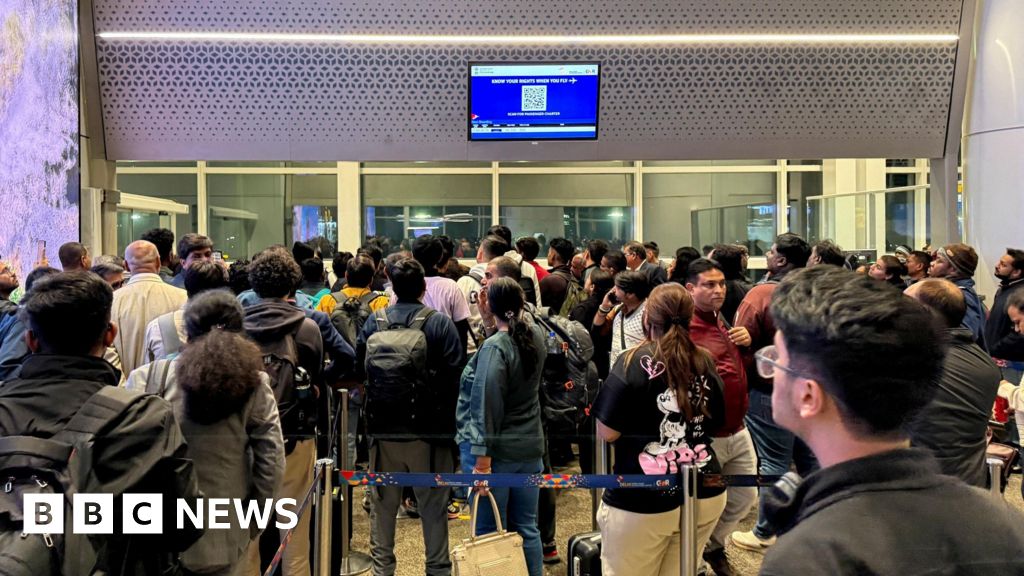
Mass Flight Cancellations Hit India’s Busiest Air Routes
More than 30 flights were cancelled across India in a single wave of disruptions, grounding passengers headed to some of the busiest international corridors in the world — including Dubai, Doha, and Abu Dhabi — while also cutting off domestic connections between major Indian cities.
The cancellations involved a notable lineup of carriers: Air India, IndiGo, Gulf Air, and Qatar Airways all pulled departures, creating a ripple effect across airports in Mumbai, New Delhi, Bengaluru, Hyderabad, Kolkata, Kochi, and Ahmedabad. For travelers with connecting itineraries or time-sensitive plans, the disruptions landed hard.
A total of 31 departures were cancelled, according to the latest reports, with the strain felt most acutely on Middle East routes — the lifeline for millions of Indian workers, families, and business travelers who rely on those connections every week.
What Happened and Why It Matters for Indian Air Travel
Flight cancellations of this scale are not routine. When more than 30 departures vanish from the board in a single reporting period, it signals something beyond a one-off technical issue. The disruptions swept across both international and domestic segments simultaneously, which is what makes this wave particularly significant for the Indian aviation sector as a whole.
The affected routes stretch from the Gulf region — Bahrain, Dubai, Fujairah, Riyadh, Abu Dhabi, and Doha — back into the Indian subcontinent, touching cities like Chennai, Kochi, Kannur, Nagpur, Vijayawada, Rajahmundry, and Kolkata. That geographic spread illustrates how deeply interconnected these networks are, and how quickly a cluster of cancellations can cascade into a much larger problem for passengers across the country.
Mumbai’s Chhatrapati Shivaji Maharaj International Airport recorded the highest number of disruptions among the affected cities, reflecting its position as India’s busiest international gateway and its heavy dependence on Gulf traffic. The airport handles tens of millions of passengers annually, with Gulf-bound routes consistently ranking among its most trafficked corridors.
India’s civil aviation authority has been monitoring operational reliability across major carriers as passenger volumes continue to surge following the post-pandemic travel recovery. Incidents of this scale inevitably draw scrutiny toward airline scheduling practices, aircraft availability, and ground crew coordination — all areas where industry observers have flagged mounting pressure in recent months.
The Routes, Airlines, and Cities Most Impacted
Millions of Indian nationals live and work across the Gulf states, and many rely on frequent, affordable flights to maintain family ties, fulfill work contracts, or manage business across borders. The India-Gulf air corridor is one of the highest-volume international travel lanes in the world, with Indian carriers and Gulf airlines jointly operating hundreds of weekly frequencies between the two regions.
When airlines cancel on these routes without adequate notice, the consequences are immediate and deeply personal. A worker in Dubai who books a return ticket to attend a family event in Kerala, or a professional flying to Riyadh for a time-sensitive contract signing, has very little margin to absorb last-minute schedule changes. Hotels, visa appointments, school pickups, and medical consultations — all of these hang on a flight that was supposed to depart on time.
Domestic passengers connecting through hubs like Mumbai or Bengaluru face their own compounding difficulties. A cancelled leg to Kochi or Vijayawada can mean missed onward international flights, stranded baggage, and rebooking delays that stretch into days rather than hours. In a hub-and-spoke system, every cancelled spoke flight has the potential to strand passengers who were never on that specific route to begin with.
For leisure travelers — particularly those with hotel bookings, tour packages, or visa validity windows — even a single cancelled flight can trigger a chain of financial losses that airlines are not always quick to compensate. Travel insurance policies vary widely in how they handle airline-initiated cancellations, and many passengers discover the limits of their coverage only after the disruption has already occurred.
Observers have noted that operational strain on Middle East routes from India has been building steadily, with slot congestion at key airports and high load factors leaving little room for recovery when disruptions occur. Events like this put real pressure on carriers to improve both reliability and proactive communication with affected passengers before the situation deteriorates.
Scale of Disruption: A Visual Overview
Flight Disruption At a Glance
Passenger Rights and Airline Obligations Under Indian Aviation Rules
Under India’s civil aviation requirements, airlines that cancel flights are obligated to inform passengers as early as possible and offer a choice between a full refund or rebooking on the next available service at no additional cost. These protections exist on paper, but the practical experience of enforcing them during a mass disruption — when call centers are overwhelmed and rebooking queues stretch for hours — is frequently far more complicated than the rulebook suggests.
The Directorate General of Civil Aviation (DGCA) mandates that passengers be notified of cancellations at least two weeks in advance wherever possible. When cancellations occur within 24 hours of departure, airlines are additionally required to provide meals, refreshments, and accommodation where applicable. However, enforcement of these provisions has historically been inconsistent, and passengers often find themselves navigating a bureaucratic maze at the worst possible moment.
International passengers face an added layer of complexity. When a Gulf carrier cancels a flight originating from India, the applicable passenger rights framework may shift depending on where the ticket was purchased, which country’s laws govern the contract of carriage, and whether the airline is a signatory to international aviation conventions. Travelers who booked through third-party platforms or travel agents face additional hurdles in asserting their rights directly with the operating carrier.
Consumer advocacy groups have long called for a more streamlined compensation mechanism in India — one that does not require passengers to file lengthy complaints with aviation regulators or pursue civil remedies through consumer courts. The current framework places the burden of follow-up squarely on the traveler, which is particularly challenging for migrant workers and first-time flyers who may not be familiar with their entitlements.
What Travellers Should Do Right Now
If you are booked on any of the affected routes or carriers in the coming days, there are several immediate steps worth taking. First, check your flight status directly through the airline’s official app or website rather than relying on third-party aggregators, which may not reflect real-time changes. Airlines typically push status updates to the contact details on file, so ensure your registered email and phone number are current.
Second, if your flight has already been cancelled, contact the airline’s customer service line as early as possible. During mass disruption events, wait times can be significant, so using the airline’s digital chat or social media channels as a parallel avenue can sometimes yield faster results. Document every interaction — including timestamps, agent names, and any offers made — in case you need to escalate a complaint later.
Third, review your travel insurance policy carefully. Many comprehensive policies cover airline-initiated cancellations and will reimburse reasonable additional expenses such as hotel stays, meals, and alternative transport. Policies that only cover traveler-initiated cancellations or medical emergencies will not apply here, so understanding the distinction before you need to make a claim is essential.
Finally, if you are a frequent flyer on India-Gulf routes, this disruption is a timely reminder to build buffer time into your itineraries wherever possible. Booking the earliest available connection rather than the tightest one, and avoiding same-day international-to-domestic transfers at congested hubs, can significantly reduce your exposure when the next wave of cancellations hits.
The Bigger Picture for Indian Aviation
This disruption arrives at a moment when India’s aviation sector is navigating a complex mix of rapid growth and structural strain. The country is on track to become one of the world’s largest aviation markets within the next decade, with new airport infrastructure, expanded bilateral air service agreements, and a growing middle class all driving demand upward. Yet the operational backbone of the industry — aircraft maintenance pipelines, crew training capacity, and ground handling infrastructure — has struggled to keep pace with that growth.
The India-Gulf corridor in particular has seen explosive demand growth, fueled by the large Indian diaspora in the UAE, Saudi Arabia, Qatar, Bahrain, Kuwait, and Oman. Carriers on these routes operate at very high load factors, meaning there is minimal slack in the system when disruptions occur. A single grounded aircraft or a crew scheduling problem can ripple across dozens of subsequent flights in ways that would be far less damaging on less saturated routes.
Regulators, airlines, and airport operators will need to work in closer coordination if India is to sustain the reliability that passengers — and the broader economy — depend on. For now, the 31 cancelled flights serve as a sharp reminder that behind every departure board number is a traveler whose plans, livelihoods, and family connections are on the line.



Leave a Reply