
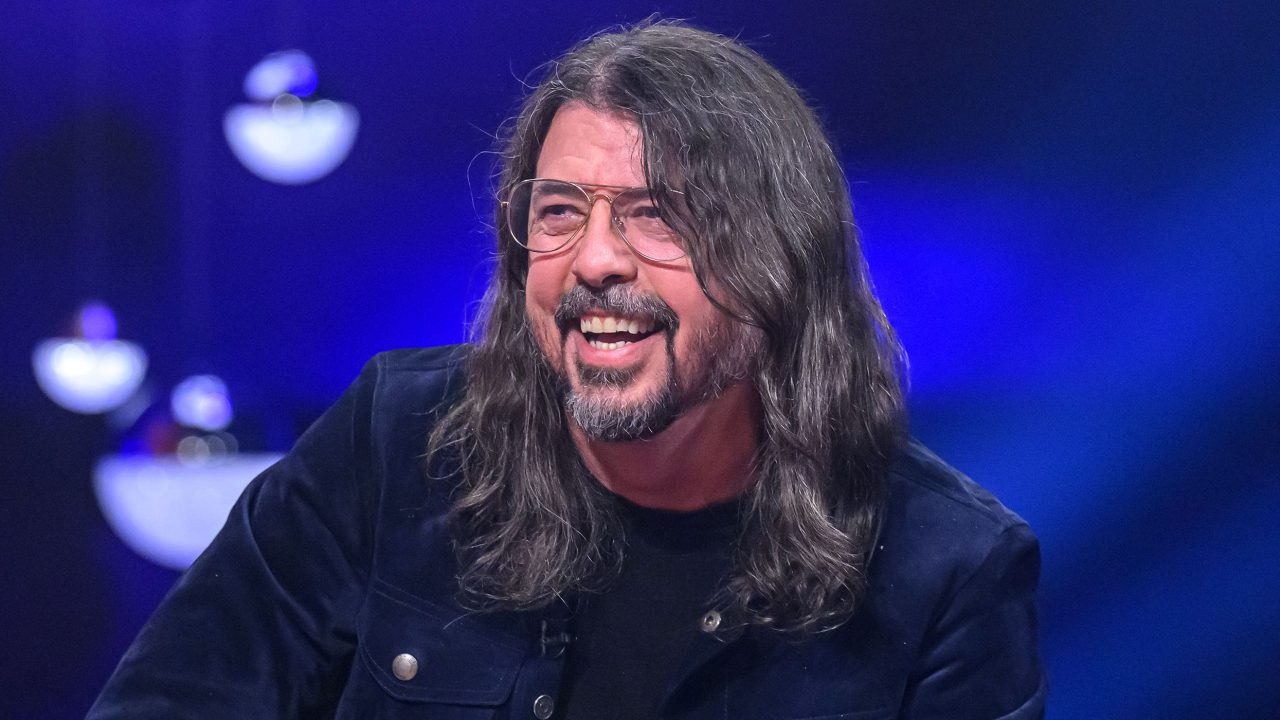
Some songs don’t announce themselves as classics. They slip out quietly, miss the charts, and then spend the next two decades slowly becoming inescapable — until one day you realize that almost everyone you know considers them one of the greatest rock songs ever recorded. That’s exactly what happened with “Everlong” by Foo Fighters.
Released in 1997 as part of the band’s second studio album The Colour and the Shape, “Everlong” was not a massive commercial hit at the time of its release. It didn’t top the singles charts or dominate radio playlists the way some of its contemporaries did. And yet, nearly three decades later, it is widely regarded as one of the defining rock songs of its generation — a track that has grown more powerful with time, not less.
How does a song that wasn’t a hit become one of the greatest rock songs of all time? The story of “Everlong” is worth understanding, because it says something real about how music actually works — and why some things take time to find their place.
What “Everlong” Is and Where It Came From
“Everlong” was written by Dave Grohl and appeared on The Colour and the Shape, released in May 1997. The album came at a pivotal moment for Grohl and the band — it was a record shaped by personal turbulence, including the departure of drummer William Goldsmith mid-recording, with Grohl ultimately playing the drum parts himself.
The song is built around an alternate guitar tuning and a dynamic that shifts between quiet, almost tender verses and an explosive, full-band chorus. That contrast — the tension and release of it — is a large part of what has made it endure. It feels urgent without being aggressive, emotional without being sentimental.
Grohl has spoken over the years about the song’s personal significance to him, describing it as one of the most meaningful things he has ever written. That emotional authenticity comes through in the recording in a way that listeners have clearly recognized, even if the charts didn’t reflect it at first.
Why It Wasn’t a Hit — and Why That Matters
When “Everlong” was released as a single in August 1997, it performed modestly. It charted, but it didn’t break through in the way that “Monkey Wrench,” another single from the same album, did. Radio play was limited compared to what the song would eventually receive as its reputation grew.
This is not unusual in rock history. Songs that become canonical often do so through a slower process — through film and television placements, through live performances that introduce them to new audiences, through word of mouth across generations. “Everlong” benefited from all of these.
Its appearance in a 1998 episode of Saturday Night Live, performed by the Foo Fighters during a sketch involving Dave Grohl and Will Ferrell, introduced the song to an enormous mainstream audience in a way that felt genuinely joyful and memorable. That moment became part of the song’s mythology.
How “Everlong” Built Its Reputation Over 26 Years
The song’s journey from modest single to rock landmark followed a recognizable pattern — but executed at an unusual scale. A few key factors drove its rise:
- Live performance: Foo Fighters made “Everlong” a centerpiece of their live shows, and the song translates powerfully to large venues. Footage of the band performing it for massive crowds has circulated widely online.
- Cultural placements: The track appeared in films, television series, and other media over the years, each placement introducing it to audiences who may not have been rock listeners in 1997.
- Critical reassessment: As music journalism and fan communities looked back at the 1990s alternative rock era, The Colour and the Shape and “Everlong” specifically received growing recognition as high points of the period.
- Streaming era rediscovery: Platforms like Spotify gave younger listeners access to back catalogues in a way that simply didn’t exist before, and “Everlong” found new audiences who had no connection to its original release.
- Dave Grohl’s personal advocacy: Grohl has repeatedly cited the song as deeply important to him, which has kept it in conversation and reinforced its emotional weight for fans.
Where “Everlong” Stands Today
| Detail | Information |
|---|---|
| Song title | “Everlong” |
| Artist | Foo Fighters |
| Album | The Colour and the Shape |
| Album release date | May 1997 |
| Single release date | August 1997 |
| Written by | Dave Grohl |
| Original chart performance | Modest — not a major hit at release |
| Current reputation | Widely cited as one of the greatest rock songs ever recorded |
Twenty-six years after its release, “Everlong” appears regularly on lists of the greatest rock songs ever made. It is streamed millions of times. It is played at stadiums. It is the song Foo Fighters fans most frequently cite as the one that matters most to them personally.
That trajectory — from overlooked single to generational touchstone — is rare. Most songs that miss commercially stay missed. “Everlong” is one of the few that proved the charts wrong on a long enough timeline to make it undeniable.
What This Song Tells Us About How Rock Classics Are Made
The story of “Everlong” is a useful reminder that commercial success and lasting significance are not the same thing. The music industry measures impact in weeks and chart positions. Listeners measure it in decades and personal meaning.
A song that connects emotionally — that captures something true about longing, intensity, or human feeling — has a different kind of staying power than one engineered for immediate popularity. “Everlong” wasn’t designed to be a classic. It was written as something personal, and that honesty is precisely why it became one.
For rock music specifically, that distinction matters. The genre has always had a complicated relationship with the mainstream, and some of its most important works arrived quietly before the world caught up. “Everlong” is now 26 years old, and it sounds more relevant than ever.
Frequently Asked Questions
When was “Everlong” by Foo Fighters released?
“Everlong” was released as a single in August 1997, as part of the album The Colour and the Shape, which came out in May 1997.
Who wrote “Everlong”?
The song was written by Dave Grohl, the founder and frontman of Foo Fighters.
Was “Everlong” a hit when it first came out?
No — “Everlong” had a modest chart performance at the time of its release and was not considered a major commercial hit compared to other singles from the same album.
Why is “Everlong” now considered one of the greatest rock songs ever?
Its reputation grew over nearly three decades through live performances, cultural placements, critical reassessment, and rediscovery by younger listeners through streaming platforms.
What album is “Everlong” from?
It appears on The Colour and the Shape, Foo Fighters’ second studio album, released in 1997.
Has Dave Grohl spoken about the personal significance of “Everlong”?
Yes — Grohl has described the song as one of the most meaningful things he has ever written, which has reinforced its emotional reputation among fans over the years.



Leave a Reply