
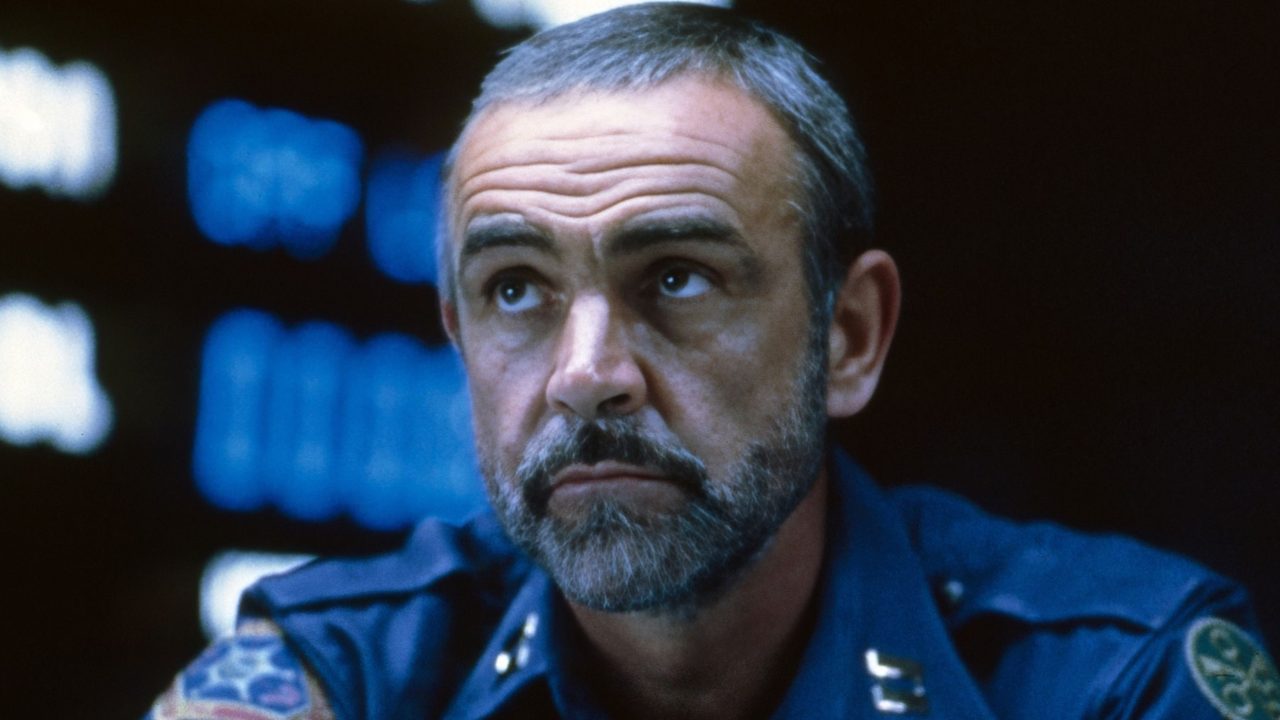
Some of the best science fiction films ever made are ones most people have never seen — or saw once, forgot about, and never thought to revisit. While blockbusters dominate streaming queues and cultural conversation, a quiet category of overlooked sci-fi movies has been sitting in the background, holding up remarkably well with the passage of time.
The topic of forgotten sci-fi films that have aged gracefully is one that genuinely rewards attention. These aren’t just curiosity pieces for genre completists. Many of them tackled ideas — artificial intelligence, surveillance, identity, environmental collapse — that feel more urgent now than they did when the films were first released. The future those movies imagined has, in many cases, already arrived.
What follows draws on the broader critical conversation around underappreciated science fiction cinema, focusing on films that slipped through the cracks of mainstream recognition but have earned serious reassessment over time.
Why Forgotten Sci-Fi Films Deserve a Second Look
Science fiction is uniquely vulnerable to the problem of premature judgment. A film released in the wrong decade — or marketed poorly, or simply overshadowed by a bigger release that same year — can vanish from public memory entirely, even if the ideas at its core were ahead of their time.
The genre also ages in unusual ways. Effects-heavy blockbusters often look dated within a generation. But smaller, more concept-driven sci-fi films tend to improve with age, because what they were actually about becomes clearer as the world catches up to their concerns. A movie about corporate surveillance that felt paranoid in 1995 might feel like a documentary today.
That’s the essential quality these overlooked films share: they were asking the right questions before most people thought to ask them.
What Makes a Sci-Fi Film Age Well
Not every old science fiction film holds up, of course. The ones that do tend to share a few specific qualities worth understanding before building your watchlist.
- Idea-driven storytelling: Films built around a compelling concept rather than spectacle tend to outlast their era. The idea doesn’t expire the way a visual effect does.
- Human-scale stakes: Sci-fi that stays focused on individual characters — their fear, confusion, or moral compromise — connects across decades in a way that world-ending plots often don’t.
- Thematic relevance: Films that touched on technology, power, identity, or environmental anxiety in the 1970s, 80s, or 90s often feel more prescient now, not less.
- Restraint in execution: Lower budgets sometimes forced filmmakers to be more inventive. Practical effects and grounded production design can feel timeless in ways that CGI-heavy films from the same era do not.
- Ambiguity: Films that resist easy answers tend to reward rewatching. The best overlooked sci-fi leaves the viewer with something unresolved — a question they carry out of the theater.
The Qualities That Separate Timeless Sci-Fi From Dated Sci-Fi
| Quality | Ages Well | Ages Poorly |
|---|---|---|
| Visual effects | Practical, grounded, or minimal | Heavy CGI tied to era’s technology |
| Central theme | Timeless human concern (identity, power, fear) | Topical references that lose context |
| Storytelling scale | Personal, character-driven stakes | Spectacle-dependent world-ending plots |
| Tone | Ambiguous, thought-provoking | Overly resolved or didactic |
| Technological prediction | Conceptually accurate even if visually off | Technically specific in ways that date quickly |
Why These Films Got Lost in the First Place
It’s worth asking why genuinely good films disappear from cultural memory at all. The answer is usually a combination of factors that have nothing to do with quality.
Release timing matters enormously. A thoughtful, slow-burn sci-fi film released the same weekend as a major franchise entry is going to lose that battle at the box office, regardless of merit. Poor marketing is another common culprit — studios sometimes genuinely don’t know how to sell an unconventional film, and the result is a campaign that misrepresents the movie entirely.
Distribution gaps have also buried whole categories of international sci-fi. Films produced outside the United States — particularly from European, Japanese, or Soviet-era filmmakers — often reached limited audiences even when they were exceptional. Some of the most imaginative science fiction ever committed to film has spent decades in near-total obscurity simply because it wasn’t made in Hollywood.
Streaming has started to change this. The sheer volume of catalog content now available means that films which spent thirty years essentially invisible are suddenly findable by anyone with curiosity and a subscription. That’s one of the genuinely good things about the current media landscape.
How to Find Overlooked Sci-Fi Worth Watching
If you want to go beyond the obvious titles, a few practical approaches tend to work well. Letterboxd lists curated by dedicated genre fans are often more reliable than algorithmic recommendations. Criterion’s catalog includes a number of underappreciated science fiction titles alongside its better-known art house offerings.
Looking at what was nominated for — but didn’t win — major awards in a given year can surface films that got critical attention without mainstream traction. And following the work of specific directors or cinematographers whose better-known films you admire will often lead you backward through their filmography to earlier, less celebrated work that shares the same sensibility.
The reward for that kind of searching is real. Finding a film that feels like it was made specifically for you, that no one in your immediate circle has seen, is one of the better pleasures cinema offers.
Frequently Asked Questions
What makes a sci-fi film “forgotten” rather than just obscure?
A forgotten film typically had some level of release or recognition at the time but faded from mainstream cultural memory, as opposed to films that were always niche or never widely distributed.
Do older sci-fi films with dated special effects still hold up?
Many do, particularly when the film’s strength lies in its ideas, characters, or atmosphere rather than visual spectacle. Practical effects from earlier eras often feel more durable than CGI from the 1990s or early 2000s.
Where is the best place to find overlooked sci-fi films to watch?
Streaming platforms with deep catalogs, Criterion’s collection, and curated lists on film community sites like Letterboxd are reliable starting points for discovering underappreciated titles.
Why do some sci-fi films feel more relevant now than when they were released?
Films that explored themes like surveillance, artificial intelligence, or environmental collapse often feel more prescient today because the real world has moved closer to the scenarios they imagined.
Are forgotten sci-fi films mostly from a particular era?
Overlooked titles exist across every decade, but the 1970s through 1990s produced a particularly rich vein of concept-driven science fiction that was overshadowed by the rise of the blockbuster era and has since been underappreciated.
Is international sci-fi cinema worth exploring for hidden gems?
Absolutely. Some of the most inventive science fiction ever made comes from outside Hollywood, and limited original distribution means many of those films remain genuinely unknown to most audiences even now.




Leave a Reply