
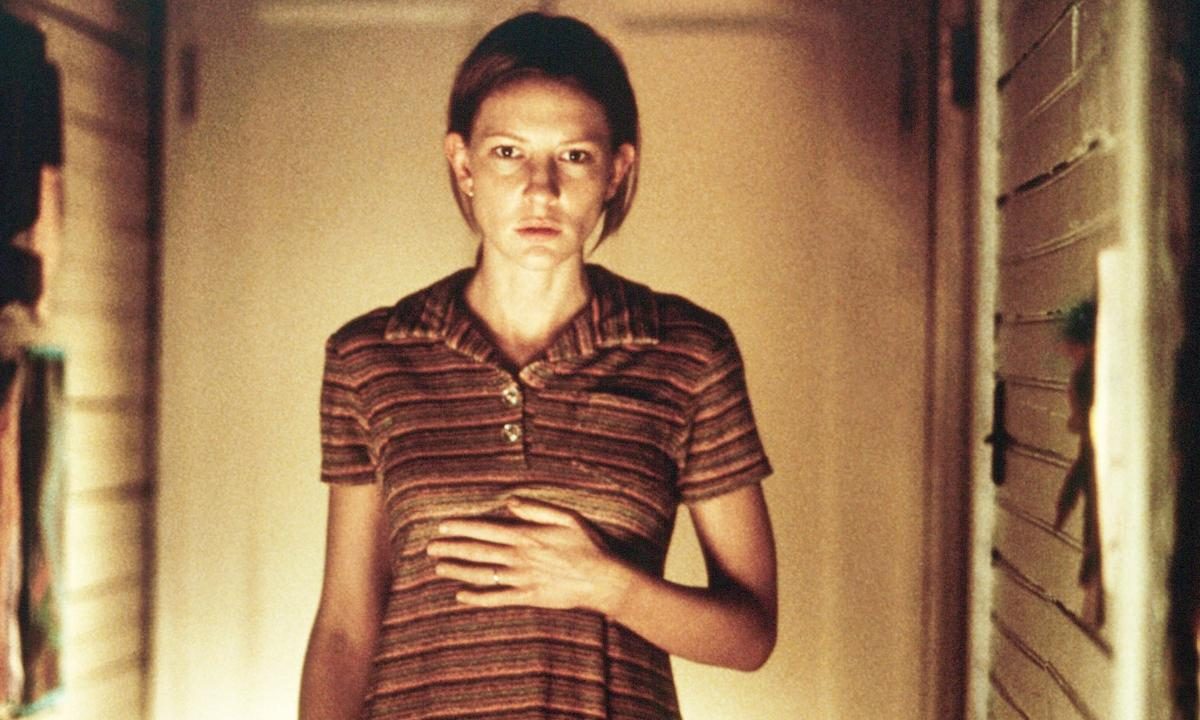
Some of the best thrillers ever made never found their audience the first time around. They slipped through the cracks of a crowded release calendar, got buried by bigger blockbusters, or simply arrived before audiences were ready for them. Decades later, those same films are quietly earning the reputation they always deserved.
The thriller genre has a unique relationship with time. What feels gimmicky or confusing on first release can become genuinely gripping once the cultural noise dies down. A movie that seemed too dark or too slow in its original moment can reveal itself, years later, as something quietly brilliant.
The topic of forgotten thrillers that have aged exceptionally well is one that resonates with anyone who has ever stumbled across an old film late at night and wondered how they missed it the first time. These are movies worth finding — and worth talking about.
Why Forgotten Thrillers Deserve a Second Look
The thriller genre is one of the most crowded in cinema history. Every year produces dozens of entries — some destined for classic status, most forgotten within months. The films that slip through tend to share certain qualities: they were either too unconventional for mainstream audiences at the time, released in the shadow of a bigger title, or simply never received the marketing push they needed.
What makes the “aged like fine wine” category so compelling is the reversal it represents. These are not films that were critically savaged and later reconsidered. Many were modestly reviewed or quietly appreciated at the time. The difference is that repeated viewing, home video access, and streaming platforms have allowed audiences to find them on their own terms — without the pressure of opening weekend expectations or blockbuster competition.
The best forgotten thrillers tend to reward patience. They build tension through character and atmosphere rather than spectacle. That approach can feel underwhelming in a theater full of expectation. Watched alone, years later, it often lands exactly as intended.
What Makes a Thriller Age Well
Not every older thriller holds up. Some rely too heavily on technology that now looks dated, plot twists that have since been copied endlessly, or social anxieties that no longer carry the same charge. The ones that age well tend to operate on a different level entirely.
Several qualities consistently separate the thrillers that endure from those that fade:
- Strong central performances that carry weight independent of the plot mechanics around them
- Atmosphere over spectacle — a sense of dread built through pacing, sound, and framing rather than action sequences
- Themes that remain relevant — paranoia, identity, betrayal, and moral ambiguity do not expire
- Restraint in storytelling — films that trust the audience to fill in gaps rather than explaining everything tend to reward rewatching
- A distinctive visual style that feels intentional rather than generic
The thrillers that check most of these boxes are the ones still being discovered by new viewers decades after release. They do not need nostalgia to justify them. They simply work.
The Streaming Era Has Changed Everything for Overlooked Films
Before streaming, a forgotten thriller stayed forgotten. If it did not make it to regular television rotation or find a dedicated cult following on VHS, it effectively disappeared. The theatrical window was its only real chance, and if that window closed without traction, the film was gone.
Streaming platforms have fundamentally changed that equation. A film from the 1980s or 1990s that never found its audience now sits alongside new releases, accessible to anyone curious enough to click on it. Algorithm-driven recommendations have become an unexpected preservation mechanism, surfacing older titles to viewers who would never have sought them out deliberately.
This shift has been particularly meaningful for the thriller genre, which translates exceptionally well to home viewing. The intimacy of watching alone, in a darkened room, often recreates exactly the experience these films were designed to produce.
A Framework for Evaluating Forgotten Thrillers
When assessing whether an overlooked thriller has genuinely aged well, it helps to apply consistent criteria. The table below outlines the key factors that tend to determine whether a forgotten film holds up or simply feels dated.
| Factor | Ages Well | Ages Poorly |
|---|---|---|
| Tension source | Character psychology and atmosphere | Technology-dependent plot mechanics |
| Visual style | Intentional and distinctive | Generic or trend-chasing |
| Central theme | Universal (paranoia, identity, betrayal) | Tied to a specific cultural moment |
| Pacing | Deliberate and confident | Padded or reliant on shock value |
| Performance quality | Grounded and layered | Stylized in ways that now feel campy |
| Twist or resolution | Earned and thematically consistent | Gimmicky or widely imitated since |
Films that score well across most of these categories are the ones still generating genuine enthusiasm among thriller fans today — not as nostalgic curiosities, but as legitimately effective pieces of cinema.
Where to Start If You Want to Explore This Territory
The best approach to forgotten thrillers is an open one. Release year matters less than reputation among people who take the genre seriously. Film forums, dedicated thriller communities, and curated streaming lists have become reliable guides to what actually holds up versus what simply carries nostalgic goodwill.
The 1970s, 1980s, and 1990s produced an enormous volume of thrillers, many of which received limited theatrical distribution or were overshadowed by more commercially dominant films. That era is particularly rich territory for anyone willing to look past the obvious titles.
The films worth finding are out there. They do not announce themselves. That, in a way, is exactly what makes discovering them feel like something.
Frequently Asked Questions
What makes a thriller “forgotten” rather than simply obscure?
A forgotten thriller typically had some degree of release and exposure but failed to find a sustained audience at the time — as opposed to films that were always niche or intentionally limited in distribution.
Do forgotten thrillers tend to come from a particular era?
The 1970s through 1990s produced a particularly high volume of overlooked thrillers, largely because the sheer output of that period meant many solid films were crowded out by bigger releases.
Why does the thriller genre age better than some other genres?
Thrillers built on psychological tension, atmosphere, and character tend to remain effective regardless of era, while genres more dependent on special effects or topical humor can feel dated more quickly.
Has streaming made it easier to find forgotten thrillers?
Yes — streaming platforms have made older and overlooked titles far more accessible than they were in the theatrical or early home video era, and recommendation algorithms frequently surface them to new audiences.
What is the best way to find overlooked thriller recommendations?
Dedicated film communities, curated streaming lists, and genre-focused criticism tend to be more reliable guides to genuinely strong overlooked thrillers than general popularity rankings.
Is “aged like fine wine” just nostalgia, or do these films genuinely hold up?
The distinction matters — films that hold up on their own merits for new viewers who have no prior attachment to them are genuinely strong films, while pure nostalgia picks often disappoint audiences encountering them for the first time.



Leave a Reply