
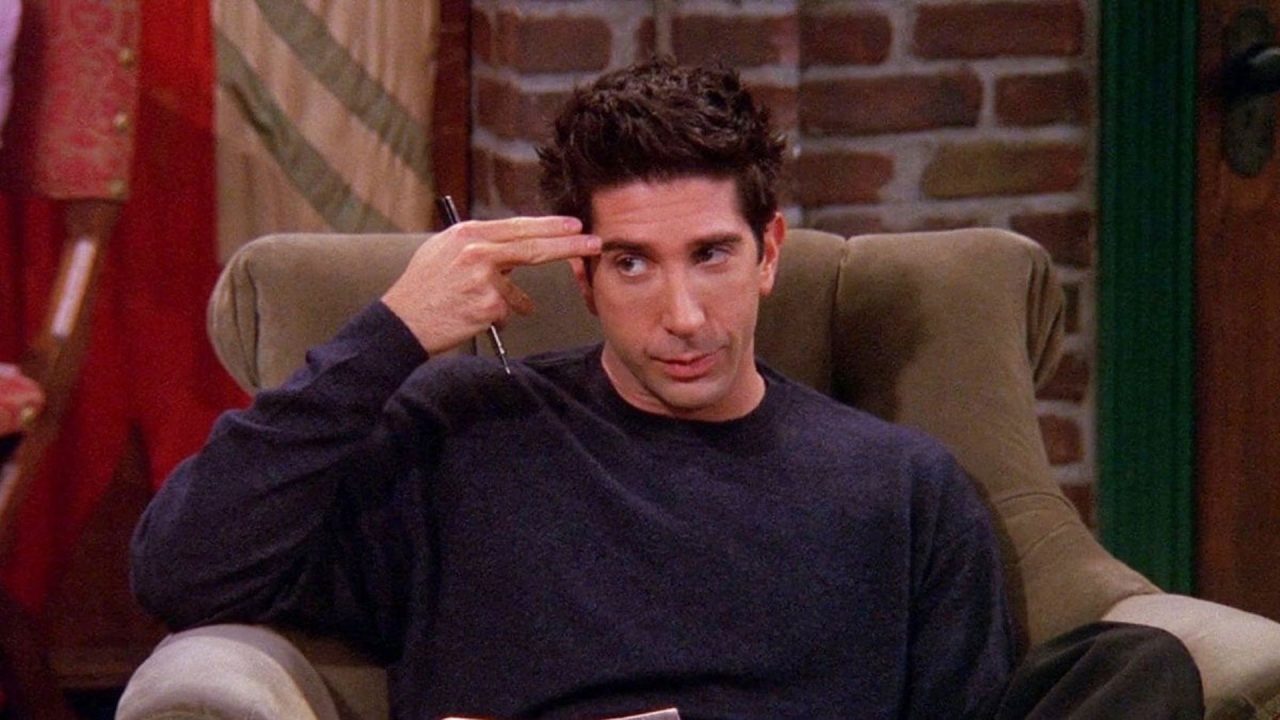
Friends ran for ten seasons and became one of the most-watched sitcoms in television history. Decades later, it still pulls massive streaming numbers. But rewatching it today is a genuinely different experience — and not always a comfortable one.
Some episodes that got big laughs in the late 1990s and early 2000s now land with a very different kind of reaction. Cultural attitudes have shifted, and certain jokes, storylines, and character beats that the show leaned on repeatedly feel jarring by today’s standards. That tension between nostalgia and discomfort is exactly why conversations about Friends episodes that aged poorly keep resurfacing.
Because the full episode-by-episode breakdown was not accessible in the
Why Friends Episodes Keep Getting Reexamined
The show aired from 1994 to 2004 — a span that predates most modern conversations about representation, gender, and identity in media. What was considered mainstream comedy writing at the time included jokes that would not make it past a writers’ room today. As the series landed on streaming platforms and introduced itself to younger audiences, those moments became impossible to ignore.
Critics and fans have pointed to several recurring issues: the treatment of fat-shaming in flashback sequences involving Monica, the show’s persistent use of Chandler’s father — a transgender woman — as a punchline, jokes about male sexuality that relied on homophobic framing, and the near-total lack of racial diversity in a show supposedly set in New York City.
These are not minor background details. They were often central to plotlines and treated as reliable sources of comedy throughout the show’s run.
The Patterns That Show Up Most Often in Aged-Poorly Lists
Across years of critical reappraisal, certain categories of content come up again and again when viewers and critics identify which Friends moments have not held up. The main recurring issues include:
- Transphobia directed at Chandler’s parent: Kathleen Turner played Charles Bing, Chandler’s father, who is a transgender woman living in Las Vegas. The character was written and performed as a joke rather than a person, and the show never meaningfully corrected that framing.
- Fat-shaming in Monica’s backstory: Flashback episodes showed a heavier version of Monica, and the humor was almost entirely built around mocking her weight rather than developing her character.
- Homophobic jokes involving male characters: Joey and Chandler’s friendship, Ross’s discomfort around his ex-wife Carol’s relationship, and various other storylines were regularly mined for jokes that relied on homophobia as the punchline.
- Ross’s possessive and controlling behavior: Behavior that the show framed as romantic — including jealousy, manipulation, and entitlement toward Rachel — reads very differently to modern audiences.
- The lack of diversity: Six white leads living in one of the most diverse cities on earth, with characters of color rarely appearing in anything beyond minor or supporting roles.
A Look at the Types of Episodes Most Frequently Cited
| Category of Issue | How It Appeared in the Show | Why It Draws Criticism Today |
|---|---|---|
| Transphobia | Chandler’s parent played as comic relief | Dehumanizing portrayal of a transgender character |
| Fat-shaming | Flashback episodes mocking Monica’s weight | Weight used as a punchline with no redemptive framing |
| Homophobia | Jokes about male characters’ sexuality | Relied on homophobic assumptions for laughs |
| Toxic relationship dynamics | Ross’s behavior toward Rachel framed as romantic | Normalizes controlling and jealous behavior |
| Lack of representation | Near-all-white cast in New York City setting | Erasure of the city’s actual demographic reality |
The Episode That Is Hardest to Watch
The Screen Rant piece places one episode at the top of its list with the note that it is “hard to watch” — a distinction that signals it goes beyond the show’s general blind spots and into something more concentrated and difficult to excuse.
While the specific episode title was not accessible in the The transphobia directed at Chandler’s parent and the sustained fat-shaming of Monica are consistently identified as the show’s most uncomfortable legacy.
That the show remains enormously popular despite all of this says something real about how nostalgia works — and how streaming has given a new generation both the joy of discovery and the discomfort of watching something beloved reveal its worst instincts.
Does Any of This Change How You Should Watch It?
That depends entirely on the viewer. Some people find that awareness of a show’s problems makes it possible to enjoy it critically — acknowledging the flaws without pretending they aren’t there. Others find that certain episodes genuinely cross a line that makes them unwatchable.
What’s clear is that Friends is no longer a neutral comfort watch for everyone. It carries history — the good and the bad — and the conversations it keeps generating suggest audiences are not done working out how to feel about it.
The fact that lists like this one keep getting written, read, and debated is itself a sign of how much the show still matters — and how much the standards we hold popular culture to have genuinely changed.
Frequently Asked Questions
Which Friends episodes are most commonly cited as having aged poorly?
Episodes involving Chandler’s transgender parent, Monica’s weight in flashback sequences, and storylines built around homophobic jokes are most frequently identified as the show’s most problematic content.
Why does Friends keep getting criticized decades after it aired?
Its arrival on streaming platforms introduced the show to younger audiences who view it through a modern lens, making jokes and storylines that once seemed normal feel much more jarring today.
Is the full list of ten episodes publicly available?
A ranked list of ten episodes was published by Screen Rant in March 2026, though the full episode-by-episode breakdown was not accessible in
Did the cast or creators ever address the show’s problematic elements?
This has not been confirmed in
Does this mean Friends is a bad show?
Critical reappraisal of specific episodes does not erase the show’s cultural significance or why it resonated with so many people — it simply means some of its content reflects attitudes that are no longer considered acceptable.



Leave a Reply