
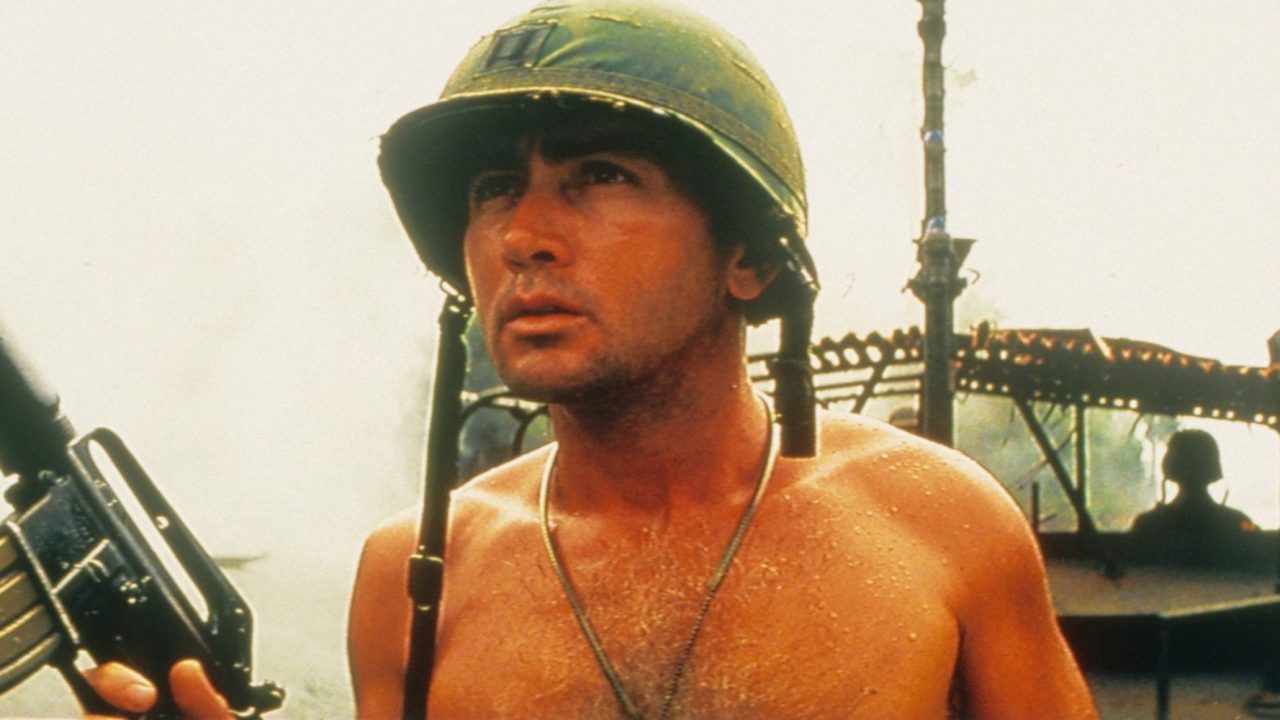
Few conflicts in American history have generated as much cinematic reflection as the Vietnam War. Decades after the last U.S. troops came home, filmmakers are still wrestling with what happened over there — and what it did to the men and women who lived through it. The result is one of the richest subgenres in all of war cinema.
The Vietnam War film isn’t just about combat. At its best, it’s about moral collapse, psychological fracture, and the impossible weight of surviving something most people back home never fully understood. Some of these movies are brutal. Some are haunting. A handful are genuinely perfect.
Below is a look at eight of the most celebrated Vietnam War films ever made — the ones that critics and audiences keep returning to, and the ones that have earned their place in the permanent conversation about what cinema can do with the subject of war.
Why Vietnam Keeps Drawing Filmmakers Back
Hollywood has returned to Vietnam more consistently than almost any other American military conflict. Part of that is historical — the war lasted years, divided the country at home, and ended without a clean victory. There’s no triumphant homecoming to close the story on.
That ambiguity is exactly what great drama feeds on. The Vietnam War gave filmmakers permission to question authority, portray American soldiers as both victims and perpetrators, and explore trauma in ways that earlier war films rarely attempted. The best entries in the genre didn’t just document history — they interrogated it.
What makes a Vietnam War film truly stand out isn’t spectacle. It’s specificity. The films that endure are the ones that make you feel the heat, the confusion, and the moral vertigo of a conflict that never made clean sense to anyone involved.
The Films That Define the Genre
The Vietnam War movie canon includes a remarkable range of tones and approaches. Some films follow soldiers through the jungle. Others focus on what happens when those soldiers come home. A few blur the line between war film and psychological horror. What they share is an unwillingness to look away.
These are the films most consistently recognized as the genre’s finest achievements — ranked here with an eye toward craft, historical weight, and lasting cultural impact:
| Rank | Film | What Sets It Apart |
|---|---|---|
| 1 | Apocalypse Now | Francis Ford Coppola’s hallucinatory masterpiece — a journey into the heart of darkness that uses Vietnam as a canvas for something far larger than war itself |
| 2 | Platoon | Oliver Stone’s semi-autobiographical account of a young soldier’s moral unraveling — raw, personal, and relentless |
| 3 | Full Metal Jacket | Stanley Kubrick’s ice-cold dissection of military dehumanization, split between brutal boot camp and the chaos of Huế City |
| 4 | The Deer Hunter | A devastating portrait of working-class men broken by war — anchored by one of cinema’s most unforgettable sequences |
| 5 | Born on the Fourth of July | Tom Cruise in one of his greatest performances, as a decorated veteran who returns home shattered and becomes a war protester |
| 6 | Hamburger Hill | A grimly realistic account of one of the war’s most pointless battles — valued for its unflinching ground-level perspective |
| 7 | Coming Home | Focuses on the home front and the veterans who return permanently changed, earning Jane Fonda and Jon Voight Academy Awards |
| 8 | Good Morning, Vietnam | Robin Williams at his most electric — a film that balances comedy and tragedy in ways that feel uniquely honest about the war’s contradictions |
What the Best Vietnam War Movies Actually Get Right
The films that hold up over time share a few qualities that separate them from lesser entries in the genre. They don’t glorify combat. They don’t reduce Vietnamese people to background scenery. And they resist the urge to deliver a simple moral verdict on the men who fought.
Apocalypse Now remains the genre’s high-water mark for a reason — it operates on a mythological level while staying rooted in the specific madness of that particular war. Coppola’s film doesn’t explain Vietnam. It immerses you in it until explanation feels beside the point.
Platoon works differently. Oliver Stone served in Vietnam himself, and that experience shows in every frame. The film’s power comes from its granular authenticity — the boredom, the fear, the way ordinary men make catastrophic decisions under impossible pressure.
Full Metal Jacket is perhaps the most formally daring of the group. Kubrick structures it as two almost separate films — the first half a horror movie set in a South Carolina training base, the second a combat story set in the ruins of a Vietnamese city. Together, they argue that the dehumanization comes before the killing ever starts.
The Films That Often Get Overlooked in This Conversation
While Apocalypse Now and Platoon dominate most discussions of the genre, several films on this list deserve more attention than they typically receive.
Coming Home is frequently overshadowed by the bigger combat films, but its focus on wounded veterans and the women who love them gives it a perspective the jungle movies can’t offer. Jane Fonda and Jon Voight both won Oscars for their performances — a fact that sometimes gets lost in the broader conversation about the film.
Hamburger Hill remains underappreciated despite its unflinching commitment to realism. It dramatizes the May 1969 assault on Dong Ap Bia Mountain — a battle in which U.S. forces suffered heavy casualties taking a hill they abandoned shortly after. The film doesn’t editorialize. It simply shows you what happened, and trusts the audience to feel the weight of it.
Good Morning, Vietnam is often categorized as a comedy, which undersells it considerably. Robin Williams’ performance carries real grief underneath the humor, and the film’s portrait of the disconnect between the military’s sanitized version of the war and the reality on the ground is sharper than it’s usually given credit for.
Frequently Asked Questions
What is widely considered the greatest Vietnam War movie ever made?
Apocalypse Now, directed by Francis Ford Coppola, is most consistently cited as the defining masterpiece of the Vietnam War film genre.
Did any of these films win Academy Awards?
Yes — Coming Home earned Oscars for Jane Fonda and Jon Voight, and Platoon won Best Picture and Best Director for Oliver Stone.
Which Vietnam War film is most grounded in real events?
Hamburger Hill is based directly on the actual 1969 battle for Dong Ap Bia Mountain, making it one of the genre’s most historically specific entries.
Is Oliver Stone’s Platoon based on his personal experience?
Yes — Stone served in Vietnam, and Platoon is widely described as semi-autobiographical, drawing heavily on his own time in combat.
Are any of these films suitable for viewers who don’t typically watch war movies?
Films like Coming Home and Good Morning, Vietnam focus more on character and emotion than combat, making them more accessible entry points for viewers new to the genre.
Why does Hollywood keep returning to the Vietnam War as a subject?
The conflict’s moral ambiguity, its divisive impact on American society, and its psychological toll on veterans give filmmakers unusually rich dramatic material that continues to resonate with modern audiences.


Leave a Reply