
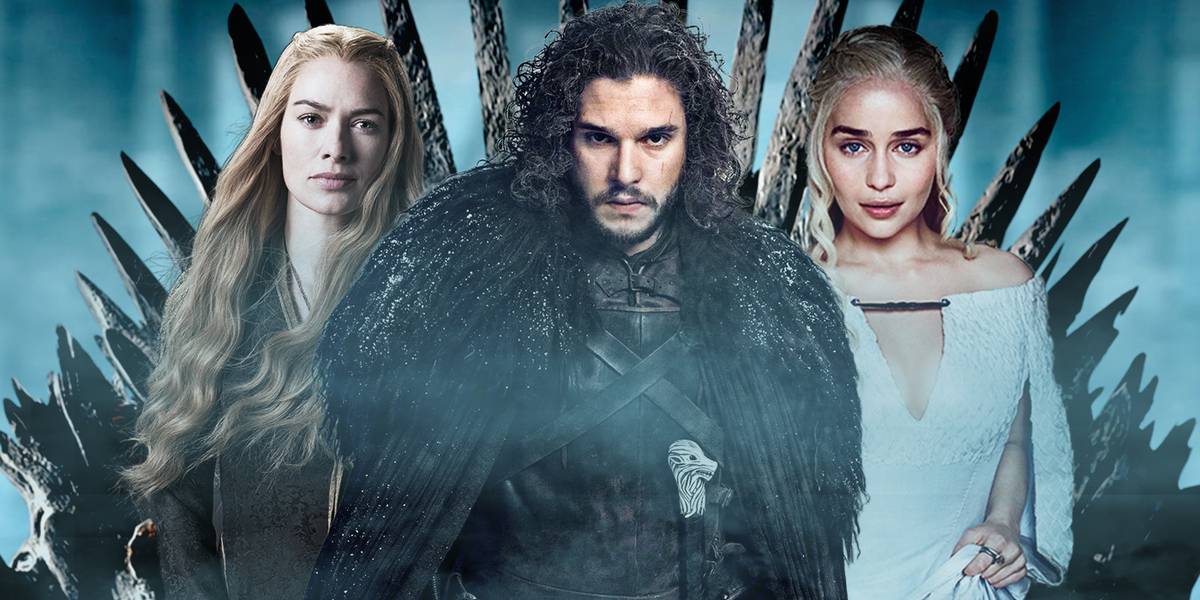
Few television series have left a mark on pop culture quite like Game of Thrones. The HBO epic ran for eight seasons, delivered some of the most jaw-dropping moments in television history, and built a fanbase that still debates its legacy years after the finale aired. With so many episodes across its run, narrowing down the absolute best is no small task — but it’s a conversation fans never seem to tire of having.
The series, based on George R.R. Martin’s A Song of Ice and Fire novels, became a global phenomenon for good reason. It combined political intrigue, shocking character deaths, large-scale battles, and deeply human storytelling in a way that fantasy television had never managed before. Some episodes became cultural events in their own right — the kind of TV you watched live, then immediately called someone to talk about.
With the Game of Thrones universe continuing to expand through spinoffs like House of the Dragon, there’s never been a better time to look back at the episodes that defined the original series and remind yourself exactly why it mattered so much.
Why Game of Thrones Still Holds Up as Peak Television
What made Game of Thrones genuinely special — especially in its earlier seasons — was its willingness to break the rules of prestige drama. Heroes died. Villains won. Morality was rarely clean. The show trained its audience to expect the unexpected, which made every episode feel genuinely high-stakes in a way that was almost unprecedented for a mainstream cable series.
The writing, the production design, and the performances across the ensemble cast set a new bar for what a fantasy series could achieve. Episodes weren’t just chapters in a story — they were events. Battle sequences that rivaled major motion pictures. Throne room confrontations that crackled with tension. Quiet, devastating moments between characters that made the spectacle feel earned.
That combination of scale and emotional depth is why fans still rank and re-rank their favorite episodes, still argue about which season peaked, and still return to the series on rewatch. The best episodes of Game of Thrones aren’t just great fantasy television — they’re great television, full stop.
What Makes a Great Game of Thrones Episode
Not every episode of the series hit the same heights. The show’s quality varied considerably across its run, with the earlier book-adapted seasons generally regarded as stronger than the later original material. But even in its most debated seasons, the series produced individual episodes that stood apart from the rest.
The greatest episodes tend to share a few qualities:
- High emotional stakes tied to characters the audience had invested in over multiple seasons
- Consequences that felt genuinely irreversible — deaths, betrayals, and revelations that changed everything
- Technical ambition, whether in battle choreography, visual effects, or cinematography
- Dialogue and performances that elevated the material beyond genre expectations
- A sense that the story had shifted permanently — that what came before and what came after were clearly divided by this single hour of television
The episodes that fans return to again and again tend to hit multiple of those marks at once. They’re the ones that still produce the same reaction on a tenth rewatch as they did on the first.
The Seasons That Produced the Most Iconic Episodes
Looking across the full run of the series, certain seasons produced a disproportionate share of the moments and episodes that fans consider essential viewing. The breakdown reflects both the show’s creative peak and the periods where it struggled.
| Season | General Fan Reception | Notable for |
|---|---|---|
| Season 1 | Critically acclaimed | Establishing the world, Ned Stark’s arc |
| Season 2 | Strong | Battle of the Blackwater, political complexity |
| Season 3 | Landmark season | The Red Wedding, emotional gut-punches |
| Season 4 | Widely considered the peak | The Mountain vs. The Viper, The Watchers on the Wall |
| Season 5 | Mixed reception | Hardhome, controversial storylines |
| Season 6 | Strong comeback | Battle of the Bastards, The Winds of Winter |
| Seasons 7–8 | Divisive | Spectacle over story, rushed pacing |
Why Fans Keep Coming Back to These Episodes Specifically
There’s something specific about the episodes fans consistently place at the top of any ranking. They tend to be the ones where the show was operating at full confidence — where the writing, direction, and performances were all aligned, and where the story delivered on promises it had been building toward for seasons.
Episodes centered on major battles — the kind that required months of production — consistently rank among the series’ best because they demonstrated what the show could do at a scale that felt genuinely cinematic. But the quieter episodes, the ones built almost entirely on conversation and confrontation, often rank just as high because they showed that the spectacle was never the whole point.
The most rewatchable episodes of Game of Thrones are the ones that balanced both: big enough to feel like an event, grounded enough to feel personal.
What the Legacy of These Episodes Tells Us About the Series
The fact that fans are still actively ranking, debating, and celebrating specific Game of Thrones episodes years after the series concluded says something real about the show’s staying power. The finale may have divided audiences, but the conversation around the best of what the series produced has never really stopped.
With House of the Dragon expanding the Westeros universe and additional spinoffs in development, the original series functions increasingly as a foundation — a reference point for what the world at its best could look and feel like. The greatest episodes of Game of Thrones remain the clearest argument for why that world is worth returning to.
Frequently Asked Questions
Which season of Game of Thrones is generally considered the best?
Season 4 is widely regarded by fans as the creative peak of the series, though Seasons 1, 3, and 6 are also frequently cited as standout years.
Is Game of Thrones still worth watching for new viewers?
The series remains highly regarded, particularly its earlier seasons, and continues to attract new viewers drawn in by the expanding HBO fantasy universe.
How many seasons does Game of Thrones have?
Game of Thrones ran for eight seasons on HBO, concluding in 2019.
What spinoffs have followed Game of Thrones?
House of the Dragon is the most prominent spinoff to date, with additional series set in the same universe in various stages of development at HBO.
Are the later seasons of Game of Thrones as strong as the earlier ones?
Fan and critical opinion is generally divided on this — Seasons 7 and 8 are frequently cited as weaker than the earlier book-adapted seasons, though individual episodes from those seasons still have their defenders.
Was Game of Thrones based on books?
Yes, the series was adapted from George R.R. Martin’s A Song of Ice and Fire novel series, though the later seasons moved beyond the published source material.



Leave a Reply