
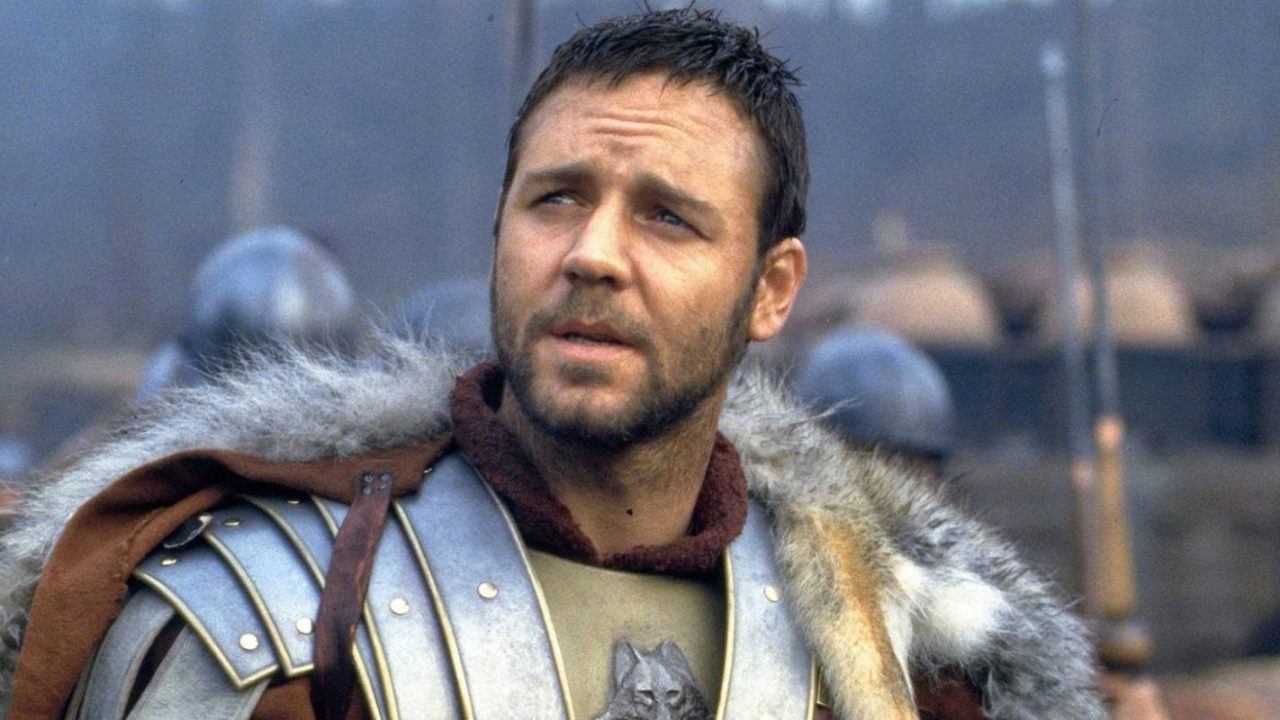
When Gladiator hit theaters in 2000, it didn’t just win the Academy Award for Best Picture — it reignited an entire genre that Hollywood had largely abandoned. The sword-and-sandal epic, the sprawling war film, the mythological adventure: all of it roared back to life behind Russell Crowe’s battle cry in the Colosseum. In the quarter-century since, filmmakers have chased that same feeling of grandeur, spectacle, and emotional weight that defines a true cinematic epic.
Some have come remarkably close. A handful have arguably matched it. The best epic movies released since Gladiator span continents, centuries, and genres — from ancient battlefields to fantasy kingdoms to the vast silence of outer space. What they share is scale, ambition, and the rare ability to make an audience feel genuinely small in the best possible way.
Here’s a look at the films that have carried the torch of epic cinema in the decades since Gladiator changed the conversation.
What Makes an Epic Movie Actually Epic?
The word “epic” gets thrown around loosely, but the real thing is unmistakable when you see it. True epic cinema isn’t just about a big budget or a long runtime — it’s about the sense that what’s unfolding on screen carries genuine historical, mythological, or emotional weight. The stakes feel civilizational. The visuals feel impossible. The story feels ancient even when it’s new.
Since Gladiator, the genre has evolved. Directors like Peter Jackson, Ridley Scott, Christopher Nolan, and Denis Villeneuve have all taken swings at it, each bringing their own vision of what “epic” means in the modern era. Some leaned into fantasy world-building. Others grounded their epics in real historical events. A few pushed the genre into science fiction territory — and found that the soul of an epic travels just fine across galaxies.
The films that endure in this category tend to combine spectacle with genuine human stakes. The battles matter because the characters matter. The worlds feel real because the filmmakers treated them as real.
The Greatest Epic Movies Since Gladiator
Based on the critical conversation around epic cinema over the past 25 years, these are the films most consistently recognized as the genre’s finest achievements since Gladiator set the standard:
- The Lord of the Rings trilogy (2001–2003) — Peter Jackson’s adaptation of Tolkien’s work remains the gold standard of fantasy epic filmmaking, a project of staggering ambition that paid off at every level.
- The Last Samurai (2003) — A sweeping historical epic set in Meiji-era Japan, anchored by a committed performance from Tom Cruise and breathtaking battle sequences.
- Troy (2004) — A large-scale retelling of the Trojan War that captured the classical epic tradition on a massive production scale.
- Kingdom of Heaven (2005) — Ridley Scott’s Crusades epic, particularly in its director’s cut, stands as one of his most underrated achievements.
- 300 (2006) — Zack Snyder’s hyper-stylized take on the Battle of Thermopylae became a cultural phenomenon and redefined what a visually bold epic could look like.
- There Will Be Blood (2007) — Paul Thomas Anderson’s sprawling character study of greed and American ambition operates as an epic of a different kind — intimate in focus, massive in scope.
- Apocalypto (2006) — Mel Gibson’s visceral, relentless Mayan epic is one of the most purely cinematic survival stories ever committed to film.
- Dunkirk (2017) — Christopher Nolan stripped the war epic down to its raw essentials — tension, time, survival — and produced something genuinely unlike anything before it.
- Dune: Part One (2021) — Denis Villeneuve’s adaptation of Frank Herbert’s novel proved that science fiction could carry the full weight of classic epic storytelling.
- Napoleon (2023) — Ridley Scott returned to the genre with a portrait of history’s most complicated conqueror, delivering battle sequences of enormous scale.
How These Films Stack Up
| Film | Year | Director | Setting / Genre |
|---|---|---|---|
| The Lord of the Rings: The Fellowship of the Ring | 2001 | Peter Jackson | Fantasy / Middle-earth |
| The Last Samurai | 2003 | Edward Zwick | Historical / Japan |
| Troy | 2004 | Wolfgang Petersen | Mythological / Ancient Greece |
| Kingdom of Heaven | 2005 | Ridley Scott | Historical / The Crusades |
| 300 | 2006 | Zack Snyder | Historical / Ancient Sparta |
| Apocalypto | 2006 | Mel Gibson | Historical / Mayan Empire |
| There Will Be Blood | 2007 | Paul Thomas Anderson | Drama / Early America |
| Dunkirk | 2017 | Christopher Nolan | War / WWII |
| Dune: Part One | 2021 | Denis Villeneuve | Science Fiction |
| Napoleon | 2023 | Ridley Scott | Historical / Napoleonic Era |
Why the Epic Genre Still Matters
There’s a reason audiences keep returning to epic cinema even as streaming shrinks attention spans and franchise filmmaking dominates the box office. Epics offer something genuinely rare: the feeling that cinema is doing something only cinema can do. The scale, the sound design, the photography — none of it translates to a phone screen the way a superhero quip does.
The best entries on this list demanded to be seen in a theater. Dunkirk was practically a sensory experience. Dune was designed for IMAX. Even There Will Be Blood, which unfolds quietly by comparison, rewards the kind of sustained attention that a darkened theater enforces. These films ask something of their audiences — and that ask is part of what makes them memorable.
Ridley Scott’s continued presence on this list is worth noting. The director of the original Gladiator has remained one of the genre’s most active practitioners, with both Kingdom of Heaven and Napoleon demonstrating that his appetite for large-scale historical storytelling hasn’t dimmed.
What Comes Next for Epic Cinema
The genre shows no signs of fading. Gladiator II arrived in 2024, returning to the world Scott created and testing whether modern audiences still hunger for Roman spectacle. The continued success of the Dune franchise suggests that science fiction may be the genre’s most fertile new territory.
What’s clear is that the appetite for genuine cinematic scale — for stories that feel larger than any single character, that unfold across landscapes and centuries — remains as strong as ever. The films on this list proved it. The next generation of epic filmmakers is already making the case again.
Frequently Asked Questions
What is considered the greatest epic movie released since Gladiator?
The Lord of the Rings trilogy is widely regarded as the most celebrated epic film series released after Gladiator, recognized for its extraordinary scale and storytelling ambition.
Is Dune considered an epic movie?
Yes — Denis Villeneuve’s Dune: Part One is broadly recognized as one of the finest epic films of recent years, demonstrating that science fiction can carry the full weight of classical epic storytelling.
Did Ridley Scott make other epic films after Gladiator?
Yes. Ridley Scott directed both Kingdom of Heaven (2005) and Napoleon (2023), both of which appear among the most notable epic films released in the decades following Gladiator.
What makes a film qualify as an “epic movie”?
Epic films are generally defined by large-scale production, historical or mythological subject matter, sweeping visuals, and stories where the stakes feel civilizational rather than personal.
Is Dunkirk considered an epic war film?
Yes — Christopher Nolan’s Dunkirk (2017) is widely recognized as a landmark war epic, though it takes an unconventional approach by stripping the genre down to raw tension and survival rather than traditional battle spectacle.
Are there any recent epic films worth watching?
Napoleon (2023) and Dune: Part One (2021) are among the most recent entries in the genre and are both considered strong examples of modern epic filmmaking.



Leave a Reply