
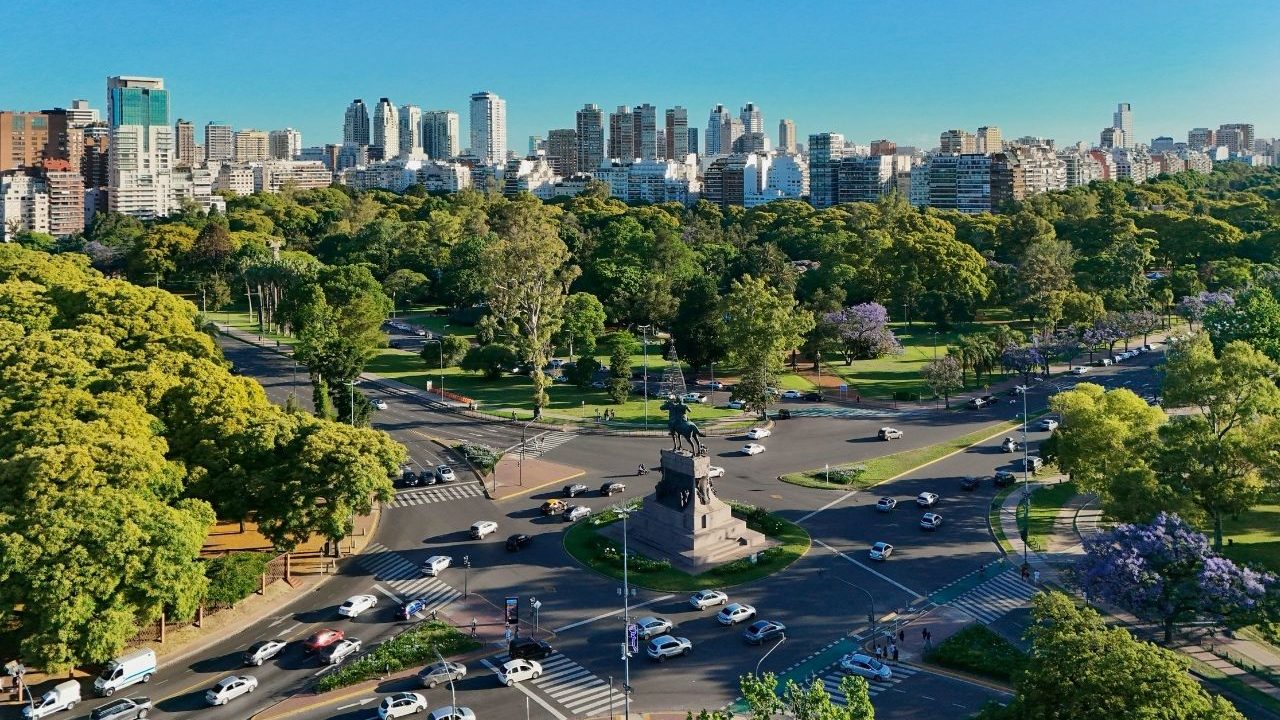
Few countries on earth can offer travellers a journey from ancient glaciers to world-class steakhouses, colonial architecture to remote desert plateaus — all within a single trip. Argentina is pulling off exactly that combination, and global travellers are increasingly taking notice.
Interest in Argentina as a travel destination has been climbing steadily, with the country positioning itself as one of the most talked-about places to visit in 2025. What’s driving the attention isn’t one headline attraction — it’s the sheer breadth of what Argentina puts on the table for different kinds of travellers.
From the icy wilderness of Patagonia in the far south to the electric energy of Buenos Aires, Argentina is being recognised not as a niche adventure destination but as a complete travel experience capable of satisfying very different types of visitors at once.
Why Argentina Is Resonating With Travellers Right Now
The appeal of Argentina in 2025 comes down to something modern travellers are actively searching for: authenticity combined with variety. Many popular destinations have become predictable. Argentina hasn’t. Its landscapes shift dramatically across regions, its culture runs deep, and its experiences range from physically demanding wilderness treks to leisurely wine-country afternoons.
Officials and regional tourism authorities have also been working to back up that natural appeal with real infrastructure improvements. Better connectivity between regions, improved visitor services, and a push toward sustainable tourism policies are all part of the effort to strengthen Argentina’s standing as a serious global destination — not just a bucket-list afterthought.
The country’s tourism appeal is also notably spread across its vast geography rather than concentrated in a single city or park. That distribution means travellers are venturing further, staying longer, and spending more broadly across the economy.
What Argentina Actually Offers Across Its Regions
The range of experiences available across Argentina is genuinely difficult to match. Here’s a breakdown of what different regions bring to the table:
- Patagonia: The southern wilderness is home to some of the world’s most dramatic glacial landscapes. Vast ice fields, jagged mountain peaks, and remote national parks draw adventure travellers, hikers, and wildlife enthusiasts from across the globe.
- Buenos Aires: The capital delivers an entirely different energy — tango culture, European-influenced architecture, a world-renowned food scene, and a nightlife that runs well past midnight. It functions as a cultural anchor for the country.
- Wine regions: Mendoza and surrounding areas have built a strong international reputation for viticulture, particularly Malbec. Wine tourism here is sophisticated and well-developed.
- Iguazú Falls: One of the most spectacular waterfall systems on earth, straddling the border with Brazil, it remains one of Argentina’s most visited natural landmarks.
- The Pampas: The vast grassland interior offers a window into gaucho culture, estancia stays, and the agricultural heartland that shaped the country’s identity.
- The Northwest: Desert plateaus, colourful rock formations, and pre-Columbian history give this region a completely different character from anywhere else in the country.
| Region | Primary Appeal | Traveller Type |
|---|---|---|
| Patagonia | Glaciers, wilderness, trekking | Adventure, nature |
| Buenos Aires | Culture, food, nightlife, architecture | City, cultural |
| Mendoza | Wine tourism, Andean scenery | Leisure, culinary |
| Iguazú Falls | Natural wonder, biodiversity | Nature, family |
| Northwest Argentina | Desert landscapes, indigenous culture | Cultural, off-the-beaten-path |
| The Pampas | Gaucho culture, estancia experiences | Cultural, rural |
The Infrastructure Push Behind the Tourism Boom
Natural beauty alone doesn’t sustain a tourism economy — and Argentina’s government and regional authorities appear to understand that. The country has been investing in the kind of behind-the-scenes improvements that make travel easier and more appealing: better transport links between regions, upgraded visitor facilities, and policies designed to support sustainable tourism growth rather than short-term overcrowding.
These efforts matter because they signal to international travellers — and to tour operators making destination decisions — that Argentina is serious about its tourism future. A country can have extraordinary landscapes and still lose visitors to destinations that simply work better logistically.
The combination of natural assets and improving infrastructure is what’s allowing Argentina to move from occasional viral travel content to consistent placement on serious travellers’ shortlists.
Who This Destination Actually Suits — And Who Should Pay Attention
Argentina’s breadth is its biggest strength, but it also means different travellers will get very different trips. Someone planning a two-week adventure focused on Patagonian trekking will have almost nothing in common with someone spending the same two weeks between Buenos Aires, Mendoza wine country, and a luxury estancia. Both trips take place in Argentina. Neither experience overlaps much.
That flexibility is increasingly rare. Most destinations have a dominant mode — beach, city, adventure — and travellers who don’t fit that mode feel like an afterthought. Argentina accommodates genuine variety without forcing compromise.
For families, couples, solo travellers, and group tours alike, there are well-worn paths and genuinely remote corners. The country also benefits from being in the Southern Hemisphere, meaning its peak season runs opposite to Europe and North America — a practical advantage for travellers looking to escape northern winters.
What to Watch as Argentina’s Tourism Momentum Builds
Argentina’s rise as a leading global destination in 2025 appears to be the result of deliberate effort rather than accident. Government tourism bodies are actively shaping the country’s international image, regional authorities are investing in local infrastructure, and sustainable tourism frameworks are being developed to protect the natural environments that make the country worth visiting in the first place.
Whether that momentum translates into long-term positioning as a top-tier global destination will depend on how well Argentina manages the balance between growth and preservation — a challenge every popular destination eventually faces. For now, the trajectory is clearly upward, and travellers who’ve been considering Argentina have plenty of reason to stop considering and start planning.
Frequently Asked Questions
Is Argentina a good travel destination in 2025?
Yes — Argentina has been gaining significant international attention in 2025, driven by its combination of diverse landscapes, cultural experiences, and improving tourism infrastructure.
What makes Argentina different from other South American destinations?
Argentina offers an unusually wide range of experiences across its regions, from Patagonian glaciers and wilderness in the south to vibrant urban culture in Buenos Aires and wine tourism in Mendoza — making it appeal to very different types of travellers.
Is the Argentine government supporting tourism growth?
According to available reporting, government tourism bodies and regional authorities have been investing in infrastructure, improving connectivity, and developing sustainable tourism policies to strengthen Argentina’s global appeal.
What regions of Argentina are most popular with international visitors?
Patagonia, Buenos Aires, Mendoza, and Iguazú Falls are among the most recognised regions, though the country’s northwest and Pampas regions also attract travellers seeking cultural and off-the-beaten-path experiences.
When is the best time to visit Argentina?
Argentina’s Southern Hemisphere location means its peak seasons run opposite to Europe and North America, making it a practical option for travellers looking to escape northern winters — though the ideal timing varies by region and activity.
Is sustainable tourism a priority in Argentina?
Reporting indicates that sustainable tourism policies are part of Argentina’s broader strategy to protect its natural environments while growing its international visitor numbers responsibly.



Leave a Reply