
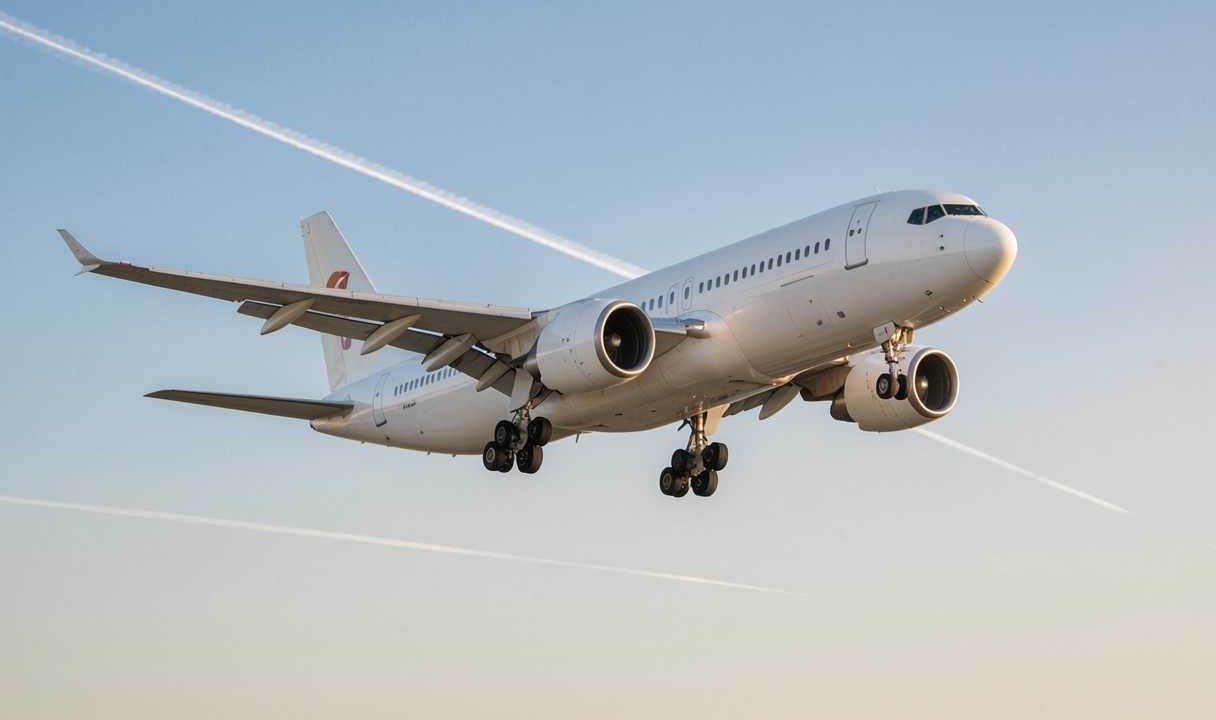
Two airlines. Two continents. One fiercely contested transatlantic corridor. As 2026 unfolds, GOL Linhas Aéreas Inteligentes from Brazil and TAP Air Portugal from Europe are both pushing hard into long-haul expansion — and the competition between them is reshaping how travelers cross the Atlantic.
What makes this rivalry genuinely interesting is that these carriers aren’t mirror images of each other. They’re approaching the same ocean with very different histories, very different fleets, and very different ideas about who their passengers are. The Airbus A330-900neo has become a common thread in both strategies, but that’s roughly where the similarities end.
For anyone planning transatlantic travel — or simply watching how aviation evolves — understanding what separates these two carriers matters more than ever right now.
Two Airlines, Two Very Different Paths Across the Atlantic
GOL has long been known as a domestic Brazilian low-cost carrier. Its pivot toward long-haul operations represents a significant strategic shift — one that signals the airline’s ambition to compete on an entirely new stage. By introducing widebody aircraft, GOL is moving beyond its traditional short-haul identity and positioning itself as a genuine player in international aviation.
TAP Air Portugal, by contrast, has operated long-haul transatlantic routes for decades. Portugal’s geographic position — sitting at the western edge of Europe — has always made Lisbon a natural bridge between Europe, Brazil, and North America. TAP’s challenge in 2026 isn’t proving it can fly long-haul. It’s proving it can do so more efficiently, more competitively, and with a better passenger experience than its rivals.
Both airlines have identified the Airbus A330-900neo as central to their fleet strategies. This widebody aircraft is widely regarded as one of the most fuel-efficient long-haul jets currently available, and its introduction by both carriers signals a shared commitment to modernizing operations — even if the scale and pace of that modernization differs considerably.
Fleet Choices, Network Strategy, and What Each Airline Is Actually Betting On
GOL’s long-haul expansion is notable precisely because it’s happening at all. The airline has historically operated narrowbody aircraft — primarily Boeing 737s — across Brazil’s dense domestic network. The addition of widebody jets opens routes that were simply impossible before, connecting Brazil to transatlantic destinations that GOL’s previous fleet couldn’t reach nonstop.
TAP, meanwhile, is using fleet upgrades to sharpen its competitive edge on routes it already operates. The A330-900neo offers better fuel economics than older widebody jets, and that efficiency translates directly into the airline’s ability to price competitively while improving margins on high-demand corridors like Lisbon–São Paulo, Lisbon–New York, and connections across South America.
Codeshare relationships also play a distinct role for each carrier. TAP has an established web of partnerships that funnels European passengers onto its transatlantic flights through Lisbon. GOL’s partnerships — including its long-standing relationship within the broader Brazilian aviation market — serve a different function, primarily capturing Brazilian travelers heading outbound to Europe and North America.
| Factor | GOL Airlines | TAP Air Portugal |
|---|---|---|
| Home Market | Brazil | Portugal / Europe |
| Historical Focus | Domestic low-cost | Long-haul international |
| Key Long-Haul Aircraft | Airbus A330-900neo | Airbus A330-900neo |
| 2026 Strategic Priority | Expanding into long-haul | Modernizing and competing on existing routes |
| Hub Position | Brazil (domestic strength) | Lisbon (transatlantic bridge) |
What Passengers Actually Experience on Each Carrier
Fleet upgrades only matter if passengers feel the difference in the cabin. The A330-900neo brings real improvements — wider seats in many configurations, better cabin air quality, reduced noise levels, and improved in-flight entertainment infrastructure compared to older widebody jets. Both GOL and TAP are investing in this aircraft partly for operational reasons, but the passenger experience benefits are real and measurable.
For GOL, the challenge is building a premium long-haul product from a foundation that was never designed for it. Low-cost carriers entering the long-haul space have a mixed track record globally — the economics can work, but passengers on a 10-hour flight have different expectations than those on a 90-minute domestic hop. How GOL configures its cabins and prices its long-haul product will be closely watched by competitors and travelers alike.
TAP arrives at 2026 with an established long-haul reputation and a passenger base that already understands what to expect. Its strength is consistency and connectivity — particularly for travelers routing through Lisbon between Europe and South America. The modernized fleet reinforces that positioning rather than reinventing it.
Why This Rivalry Matters Beyond the Two Airlines
The broader significance of this competition isn’t just about GOL and TAP. It reflects a wider shift in transatlantic aviation, where carriers from emerging markets are increasingly challenging the dominance of legacy European and North American airlines on long-haul routes.
Brazil is one of the world’s largest aviation markets. Any Brazilian carrier that successfully establishes itself on transatlantic routes changes the competitive dynamics for everyone operating those corridors — from LATAM and Azul to Air France, Iberia, and beyond. GOL’s expansion, if it succeeds, creates real pricing pressure on routes that have historically been controlled by a relatively small group of established players.
For travelers, more competition almost always means better outcomes — lower fares, improved service, and more route options. The question is whether GOL can execute its long-haul ambitions effectively enough to sustain the pressure it’s trying to create.
What to Watch for in the Months Ahead
Both airlines are in active phases of fleet delivery and network development. The pace at which GOL receives and deploys its A330-900neo aircraft will largely determine how quickly its long-haul ambitions translate into real competitive impact. TAP’s ability to use its upgraded fleet to defend market share on key South America routes will be equally telling.
Codeshare expansion, cabin configuration announcements, and pricing strategies on specific transatlantic routes are the practical signals worth tracking. The Atlantic crossing has rarely had this many moving parts at once — and for travelers planning trips between Europe and South America, the competition playing out in 2026 could directly affect the options and prices available to them.
Frequently Asked Questions
What aircraft are both GOL and TAP using for long-haul expansion?
Both airlines have identified the Airbus A330-900neo as a key aircraft in their long-haul and fleet modernization strategies.
Is GOL Airlines a new entrant to long-haul flying?
GOL has historically operated as a domestic low-cost carrier in Brazil, primarily using narrowbody aircraft, making its 2026 long-haul expansion a significant strategic shift.
What routes does TAP Air Portugal focus on across the Atlantic?
TAP uses its Lisbon hub as a bridge between Europe, Brazil, and North America, operating established transatlantic routes including connections to São Paulo and New York.
How do the two airlines differ in their passenger experience approach?
TAP brings decades of long-haul experience and an established cabin product, while GOL is building its long-haul passenger experience from a low-cost domestic foundation — a transition that comes with both opportunity and risk.
Does competition between GOL and TAP benefit travelers?
Broadly, yes — increased competition on transatlantic routes tends to drive down fares and push airlines to improve their service offerings, which benefits passengers on those corridors.
Are the specific routes GOL will operate in 2026 confirmed?



Leave a Reply