
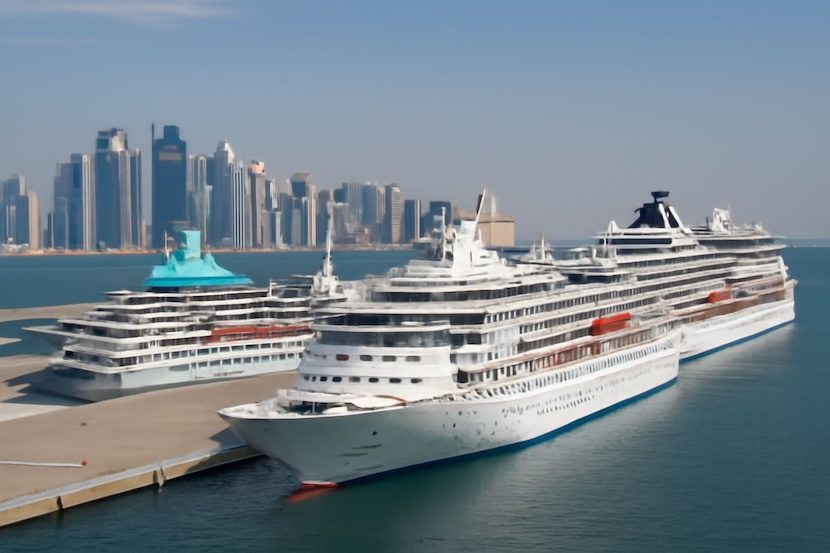
Europe now has a new crown jewel for cruise travel — and it sits on the Atlantic coast of Spain’s Canary Islands. Gran Canaria has officially unveiled its new cruise terminal in Las Palmas, a facility now recognised as the largest of its kind in Europe. For a region already popular with sun-seeking tourists, this is a significant step up in ambition and infrastructure.
The terminal is built to handle the world’s largest cruise vessels, processing thousands of passengers at a time with an emphasis on speed, comfort, and modern design. It doesn’t just serve Gran Canaria — it repositions the entire Canary Islands archipelago as a strategic hub connecting Europe, Africa, and the Americas.
If you’ve ever considered a transatlantic cruise or an Atlantic island-hopping itinerary, what happens in Las Palmas from here on matters to you directly.
Why the Gran Canaria Cruise Terminal Changes Atlantic Travel
Las Palmas has long been a port of call for cruise ships crossing between continents. Its geography makes it almost unavoidable — sitting roughly 1,400 kilometres off the northwest African coast, Gran Canaria sits at a natural crossroads between Europe, West Africa, and the Caribbean.
What was missing was infrastructure to match that geography. The new terminal fills that gap. Designed to accommodate the largest vessels currently operating on the world’s oceans, the facility gives cruise lines a genuine reason to make Las Palmas a home port rather than just a stop along the way.
That distinction matters enormously for the local economy. Home-porting brings passengers who spend the night before departure in the city, explore local restaurants, book excursions, and contribute to the island’s economy in ways that a brief port call simply doesn’t replicate.
Officials have noted that the terminal strengthens Spain’s overall position in the cruise tourism sector — a market that has rebounded strongly in recent years and continues to grow across European waters.
What the Terminal Actually Looks Like
The design philosophy behind the Gran Canaria cruise terminal centres on passenger flow and comfort. Open spaces and high ceilings give the interior a sense of ease rather than the cramped, airport-style pressure that older terminals often create.
Wide boarding zones and multiple check-in areas are built to reduce wait times and manage large volumes of passengers simultaneously. Clear signage throughout the facility helps travellers navigate without confusion — a detail that sounds minor but makes an enormous practical difference when you’re moving thousands of people on and off ships within tight scheduling windows.
Sustainability also features in the terminal’s design. While specific environmental certifications have not been detailed in available reporting, the facility has been described as built with efficiency and sustainability in mind — reflecting a broader shift across European port infrastructure toward greener operations.
Key Features of the New Las Palmas Cruise Terminal
| Feature | Detail |
|---|---|
| Location | Las Palmas, Gran Canaria, Spain |
| Scale | Largest cruise terminal in Europe |
| Vessel capacity | Designed to handle the world’s largest cruise ships |
| Design priorities | Passenger comfort, efficiency, and sustainability |
| Interior design | Open spaces, high ceilings, wide boarding zones |
| Navigation features | Multiple check-in areas, clear signage throughout |
| Strategic role | Atlantic gateway connecting Europe, Africa, and the Americas |
- The terminal is positioned to serve both embarkation and disembarkation at scale
- Streamlined boarding and disembarkation processes are central to the facility’s operational design
- The project is expected to boost Canary Islands tourism more broadly, not just Gran Canaria
- Spain’s cruise sector stands to benefit significantly from the added capacity and prestige
Who This Actually Affects — and How
For cruise passengers, the most immediate benefit is a better experience at one of the Atlantic’s most important ports. Faster check-in, more comfortable waiting areas, and smoother boarding all translate into a less stressful start or end to a cruise holiday.
For travellers considering the Canary Islands as a destination in their own right, the terminal signals something broader: the islands are investing heavily in tourism infrastructure. That tends to attract more routes, more cruise lines, and ultimately more competition — which can push prices down and options up for consumers.
For the local economy in Las Palmas and across Gran Canaria, the ripple effects are potentially substantial. Cruise tourism generates spending across hotels, restaurants, transport, excursions, and retail. A terminal capable of handling Europe’s largest ships — and doing so efficiently — gives the island a compelling case to attract higher passenger volumes year-round.
The broader Canary Islands region also benefits. Cruise passengers often use Gran Canaria as a base to explore neighbouring islands, spreading tourism revenue across Tenerife, Lanzarote, Fuerteventura, and beyond.
What Comes Next for Canary Islands Cruise Tourism
The opening of the terminal is the beginning of a longer story, not the end of one. The real test will come as cruise lines begin scheduling itineraries that take advantage of the new capacity. Home-porting arrangements, transatlantic turnaround voyages, and seasonal winter programmes — when Northern Europeans traditionally flock to the Canaries to escape the cold — are all areas where the new terminal could make a meaningful difference.
The Canary Islands already draw millions of visitors annually, with strong year-round appeal thanks to their mild Atlantic climate. Adding Europe’s largest cruise terminal to that equation gives the destination another powerful selling point at a time when cruise tourism is expanding rapidly across the continent.
Specific future cruise line agreements or scheduled deployments had not been confirmed in available reporting at the time of publication. But the infrastructure is now in place — and the Atlantic gateway is open.
Frequently Asked Questions
Where exactly is the new cruise terminal located?
The terminal is located in Las Palmas, the capital city of Gran Canaria, in Spain’s Canary Islands.
Why is this terminal considered the largest in Europe?
The facility has been recognised as Europe’s largest cruise terminal based on its scale and capacity to handle the world’s largest cruise vessels.
What makes the terminal different from older cruise facilities?
The terminal features open spaces, high ceilings, wide boarding zones, multiple check-in areas, and clear signage — all designed to improve passenger flow and comfort at scale.
Will this terminal benefit other Canary Islands, not just Gran Canaria?
Yes. Officials have indicated the terminal is expected to boost tourism across the Canary Islands region, as cruise passengers often use Gran Canaria as a base to explore neighbouring islands.
Is sustainability part of the terminal’s design?
The terminal has been described as built with efficiency and sustainability in mind, though specific environmental certifications or ratings have not been confirmed in available reporting.
When did the Gran Canaria cruise terminal open?
The terminal’s opening was reported in March 2026, though a precise inauguration date has not been specified in available reporting.




Leave a Reply