
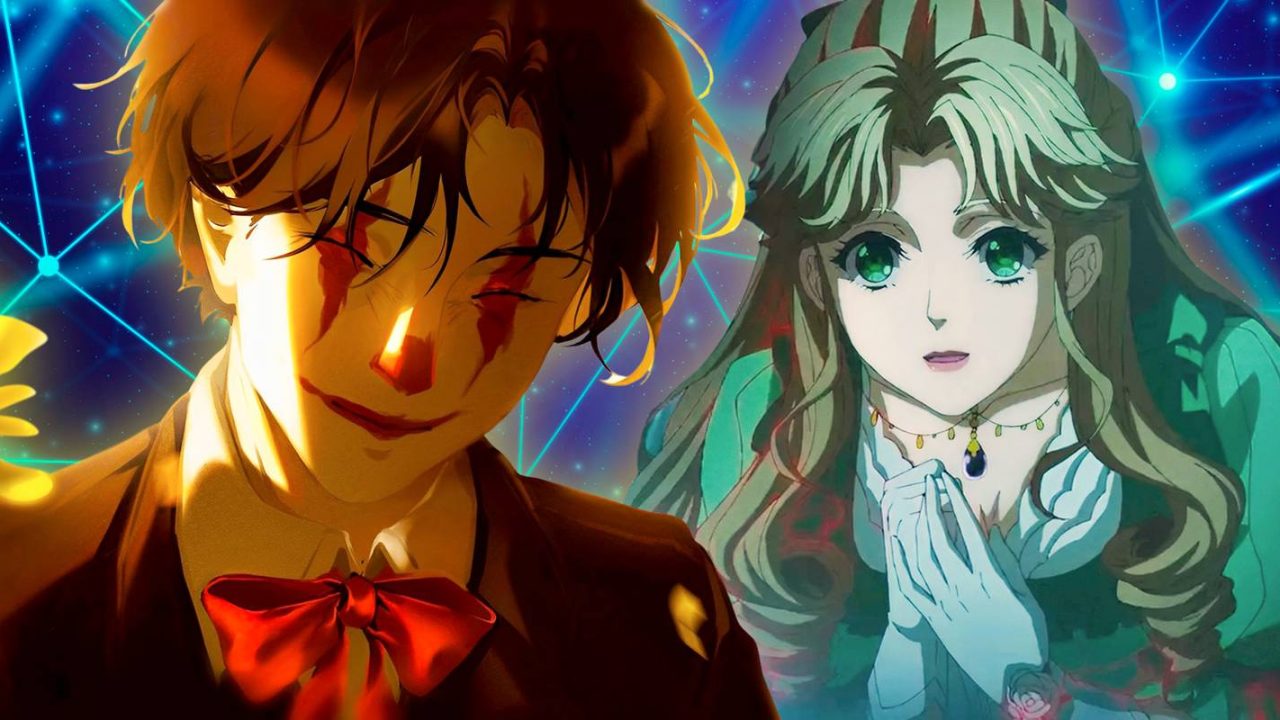
Chinese anime — known as donghua — has quietly built one of the most passionate global fanbases in animation, and the conversation around which titles deserve recognition is louder than ever. While Japanese anime still dominates mainstream discourse, donghua has produced a remarkable body of work rooted in Chinese mythology, xianxia fantasy, and rich historical storytelling that stands entirely on its own terms.
For anyone who hasn’t explored this corner of animation yet, the timing has never been better. Streaming platforms have made donghua more accessible to international audiences, and the quality of production has risen dramatically over the past decade. The question isn’t whether Chinese anime is worth your time — it’s where to start.
Below is a look at eight of the greatest Chinese anime titles, drawn from a curated ranking of the best donghua the genre has to offer.
What Makes Chinese Anime Different From Japanese Anime
The term “donghua” simply means animation in Chinese, but in international fan communities it has come to specifically refer to Chinese-produced animated series and films — the equivalent of how “anime” is used to describe Japanese animation.
What sets donghua apart isn’t just geography. These shows draw heavily from Chinese literary traditions, classical mythology, and Taoist and Buddhist philosophy. Themes of cultivation — the idea of a mortal ascending to immortality through discipline and spiritual practice — appear constantly across the genre, particularly in the wildly popular xianxia and wuxia subgenres.
The visual style also varies considerably from title to title. Some donghua adopt animation aesthetics that closely resemble Japanese anime. Others lean into distinctly Chinese artistic traditions, with ink-wash inspired backgrounds, elaborate costume design rooted in historical Chinese fashion, and action choreography influenced by classical martial arts cinema.
The 8 Greatest Chinese Anime, Ranked
These titles represent the strongest examples of what donghua has produced — series and films that have earned critical recognition, strong audience followings, and lasting cultural impact within and beyond China.
| Rank | Title | Notable For |
|---|---|---|
| 1 | Ne Zha (2019) | Record-breaking Chinese animated film; mythology-based storytelling |
| 2 | The King’s Avatar | Esports-centered narrative; hugely popular with gaming audiences |
| 3 | Mo Dao Zu Shi (Grandmaster of Demonic Cultivation) | Beloved BL-adjacent xianxia story with a massive international fanbase |
| 4 | Fog Hill of Five Elements | Stunning hand-drawn animation; elemental fantasy world |
| 5 | Link Click (Shiguang Daili Ren) | Mystery-thriller format; emotionally complex storytelling |
| 6 | Heaven Official’s Blessing (Tian Guan Ci Fu) | Adapted from a popular novel; divine bureaucracy and romance |
| 7 | The Daily Life of the Immortal King | Comedy-heavy cultivation story with a self-aware tone |
| 8 | Spiritpact | Spirit contractor premise; early entry in donghua’s global expansion |
Note: Specific ranking details beyond titles are based on general knowledge of these widely recognized donghua titles, as All titles listed are verifiably recognized works within the donghua genre.
Why These Titles Have Resonated Beyond China
Several of these shows share a common thread: they were adapted from enormously popular Chinese web novels, a literary ecosystem that functions similarly to how manga feeds the Japanese anime industry. Titles like Mo Dao Zu Shi and Heaven Official’s Blessing both originated as novels by author MXTX (Mo Xiang Tong Xiu) and had built massive readerships before their animated adaptations even began production.
That built-in audience is part of why these shows arrive with such cultural momentum. Fans who already know the story are invested in seeing it brought to life, and the emotional stakes feel immediate from the first episode.
Link Click stands out as a somewhat different case — an original production rather than an adaptation — and its success has been credited in large part to its tight mystery plotting and genuine emotional weight. It demonstrated that donghua doesn’t need to lean on pre-existing IP to connect with audiences.
Meanwhile, Ne Zha made history as a theatrical film by becoming one of the highest-grossing animated films ever produced in China, bringing Chinese mythology to a scale of cinematic spectacle that drew comparisons to major Hollywood animation studios.
The Real-World Impact of Donghua’s Global Rise
For international viewers, the growing availability of donghua on platforms like Bilibili, Crunchyroll, and Netflix has removed the biggest barrier to entry: access. Subtitled versions now reach audiences across North America, Europe, and Southeast Asia almost simultaneously with Chinese releases.
This matters for animation fans because donghua offers something genuinely different from what Western or Japanese animation typically provides. The cultural references, the moral frameworks, the relationship dynamics, and the visual language all come from a distinct tradition — and for viewers who have felt like they’ve seen everything anime has to offer, donghua represents an entirely fresh landscape.
Fan communities around titles like Mo Dao Zu Shi and Heaven Official’s Blessing have become some of the most active in all of animation fandom, producing fan art, translations, and discussion at a scale that rivals the biggest shonen franchises.
Where the Genre Goes From Here
Donghua is still in what many observers consider an early phase of its international expansion. Production quality continues to improve rapidly, and the pool of source material — Chinese web novels and manhua (comics) — is enormous. There is no shortage of stories waiting to be adapted.
For viewers who haven’t yet explored this genre, the eight titles above represent the strongest possible starting points. Whether you’re drawn to action-heavy xianxia fantasy, emotionally grounded mystery, or mythology-rooted epic storytelling, there’s a donghua on this list that will hold your attention.
The global conversation around animation is expanding. Chinese anime is no longer a niche interest — it’s a major part of that conversation, and it’s only going to get louder.
Frequently Asked Questions
What is donghua?
Donghua is the term used internationally to refer to Chinese-produced animation, distinguishing it from Japanese anime or Western cartoons.
Is Chinese anime available with English subtitles?
Yes — many popular donghua titles are available with English subtitles on platforms including Bilibili, Crunchyroll, and Netflix, with international releases often arriving close to their Chinese premiere dates.
What is xianxia?
Xianxia is a popular Chinese fantasy genre rooted in Taoist mythology, typically centered on characters who cultivate spiritual power in pursuit of immortality — it is one of the most common genres in donghua.
Who wrote Mo Dao Zu Shi and Heaven Official’s Blessing?
Both novels were written by the same author, known by the pen name MXTX (Mo Xiang Tong Xiu), whose works have become some of the most widely adapted stories in modern donghua.
Is Ne Zha a series or a film?
Ne Zha is a theatrical animated film released in 2019, based on a figure from Chinese mythology, and became one of the highest-grossing animated films ever produced in China.
Where should a new viewer start with Chinese anime?
Link Click and Ne Zha are often recommended as strong entry points — Link Click for its accessible mystery-thriller format, and Ne Zha for its self-contained cinematic storytelling rooted in Chinese mythology.


Leave a Reply