
There are good years for movies, and then there are years that feel almost unfair. Nineteen ninety-four was the latter. In a single twelve-month stretch, audiences got films that are still quoted, studied, debated, and rewatched more than three decades later — films that didn’t just entertain but genuinely changed what movies could be.
Thirty-two years on, the question isn’t whether 1994 was a great year for cinema. That’s settled. The real question is which films from that era have held up the best, and why so many of them still feel urgent today.
While the full ranked list wasn’t available in its complete form, the films of 1994 are among the most thoroughly analyzed in modern cinema. What follows is grounded in what is widely and verifiably known about this remarkable year.
Why 1994 Still Stands Apart in Film History
It’s tempting to romanticize the past, but the numbers and the legacy don’t lie. The films released in 1994 collectively earned major awards recognition, broke box office records, and launched careers that defined Hollywood for the next two decades.
That year saw the release of Forrest Gump, which won six Academy Awards including Best Picture and Best Director for Robert Zemeckis. It also saw Pulp Fiction, Quentin Tarantino’s genre-collapsing masterpiece that won the Palme d’Or at Cannes and rewired how mainstream audiences thought about narrative structure. The Shawshank Redemption, despite an underwhelming theatrical run, became one of the most beloved films ever made — consistently ranked the number one film on IMDb’s user ratings for years.
These weren’t flukes. They were the product of a particular cultural moment when studio risk-taking, independent cinema, and genuine auteur vision all converged at once.
The Films That Defined the Greatest Movies of 1994
The breadth of 1994’s output is what makes it so remarkable. It wasn’t dominated by one genre or one type of filmmaker. Action, drama, animation, crime, and literary adaptation all produced landmark work that year.
- Pulp Fiction — Quentin Tarantino’s nonlinear crime anthology redefined independent cinema and launched a wave of imitators that lasted well into the 2000s.
- Forrest Gump — Robert Zemeckis directed Tom Hanks in a film that swept the Oscars and became a cultural touchstone, for better or worse depending on who you ask.
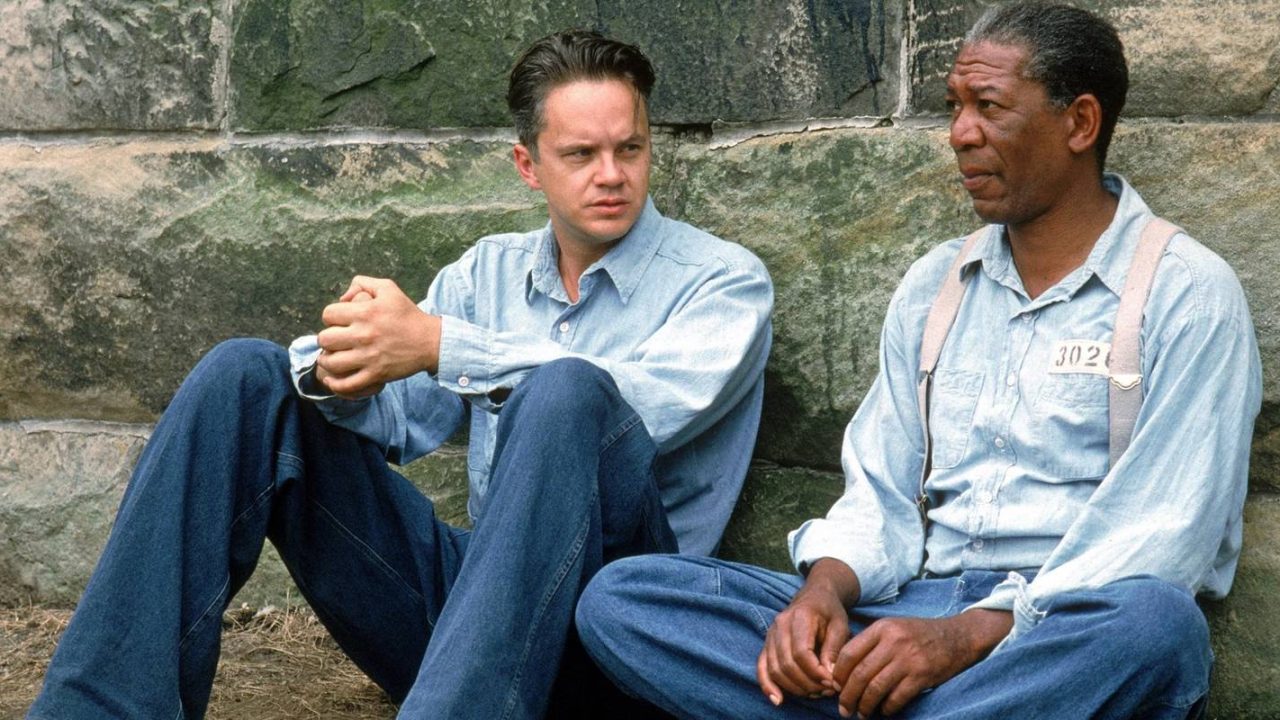
- The Shawshank Redemption — Frank Darabont’s adaptation of Stephen King’s novella starred Tim Robbins and Morgan Freeman in what many consider the definitive story of hope and perseverance on film.
- The Lion King — Disney’s animated epic became one of the highest-grossing films of the year and remains a cornerstone of the studio’s legacy.
- Speed — Jan de Bont’s action thriller with Keanu Reeves and Sandra Bullock proved that a high-concept action film could also be genuinely tense and well-crafted.
- Natural Born Killers — Oliver Stone’s polarizing media satire pushed boundaries and sparked serious cultural debate.
- Ed Wood — Tim Burton’s affectionate black-and-white biography of Hollywood’s most famously bad director earned Martin Landau an Academy Award for Best Supporting Actor.
- Clerks — Kevin Smith shot his debut feature in a New Jersey convenience store for roughly $27,000. It became one of the defining films of the indie movement.
- Interview with the Vampire — Neil Jordan’s adaptation of Anne Rice’s novel brought gothic horror back to mainstream audiences with Tom Cruise and Brad Pitt.
- Hoop Dreams — Steve James’s documentary about two young basketball players in Chicago is widely regarded as one of the greatest documentaries ever made.
A Snapshot of 1994 at the Box Office and Awards
| Film | Director | Notable Achievement |
|---|---|---|
| Forrest Gump | Robert Zemeckis | 6 Academy Awards including Best Picture |
| Pulp Fiction | Quentin Tarantino | Palme d’Or, Cannes Film Festival |
| The Shawshank Redemption | Frank Darabont | Consistently ranked #1 on IMDb |
| The Lion King | Roger Allers & Rob Minkoff | One of the highest-grossing films of 1994 |
| Ed Wood | Tim Burton | Martin Landau won Best Supporting Actor Oscar |
| Clerks | Kevin Smith | Made for approximately $27,000 |
What Made 1994 Different From Every Other Year
The easy answer is talent. But talent exists in every decade. What made 1994 special was the collision of several forces at once: the maturation of the Sundance-era independent film movement, a Hollywood studio system still willing to fund mid-budget adult dramas, and a generation of filmmakers — Tarantino, Smith, Darabont, Burton — hitting their creative peak simultaneously.
There was also an audience ready for it. The early 1990s had been culturally restless, and moviegoers were hungry for films that took risks. Pulp Fiction didn’t just succeed — it proved that challenging, unconventional cinema could be commercially viable on a large scale. That mattered enormously for what came after.
The animated side of 1994 was equally strong. The Lion King represented Disney Animation at the height of its so-called Renaissance period, delivering a film that worked as genuine drama for adults while captivating younger audiences. It’s a harder trick to pull off than it looks.
Why These Films Still Hold Up Three Decades Later
The films of 1994 endure because most of them were built around character and story rather than spectacle alone. The Shawshank Redemption has no special effects. Clerks was shot in black and white on a shoestring. Hoop Dreams followed real people through years of their actual lives.
Even the bigger productions — Forrest Gump, Pulp Fiction — derived their power from performance and screenwriting, not just technical achievement. That’s why they reward rewatching. There’s always something new to notice.
Thirty-two years later, these films aren’t just nostalgia objects. They’re active parts of the conversation about what cinema can do. Film schools still teach them. Streaming platforms still surface them. And new audiences keep discovering them for the first time — which is perhaps the truest measure of a great film.
Frequently Asked Questions
What movie won Best Picture at the 1994 Academy Awards?
Forrest Gump, directed by Robert Zemeckis, won Best Picture along with five other Academy Awards for films released in 1994.
Did Pulp Fiction win any Oscars?
Pulp Fiction won the Palme d’Or at the Cannes Film Festival in 1994 and received multiple Academy Award nominations, winning for Best Original Screenplay.
How much did Clerks cost to make?
Kevin Smith’s debut film Clerks was made for approximately $27,000, making it one of the most celebrated low-budget successes in independent film history.
Why is The Shawshank Redemption so highly rated despite its modest theatrical run?
The film found its audience through home video and television broadcasts after its release, and its themes of hope and resilience resonated deeply enough over time to make it one of the most beloved films ever made.
What award did Martin Landau win for Ed Wood?
Martin Landau won the Academy Award for Best Supporting Actor for his performance as Bela Lugosi in Tim Burton’s Ed Wood.
Is Hoop Dreams considered one of the best documentaries ever made?
Yes — Steve James’s documentary about two young basketball players in Chicago is widely regarded by critics and filmmakers as one of the greatest documentaries in cinema history.




Leave a Reply