
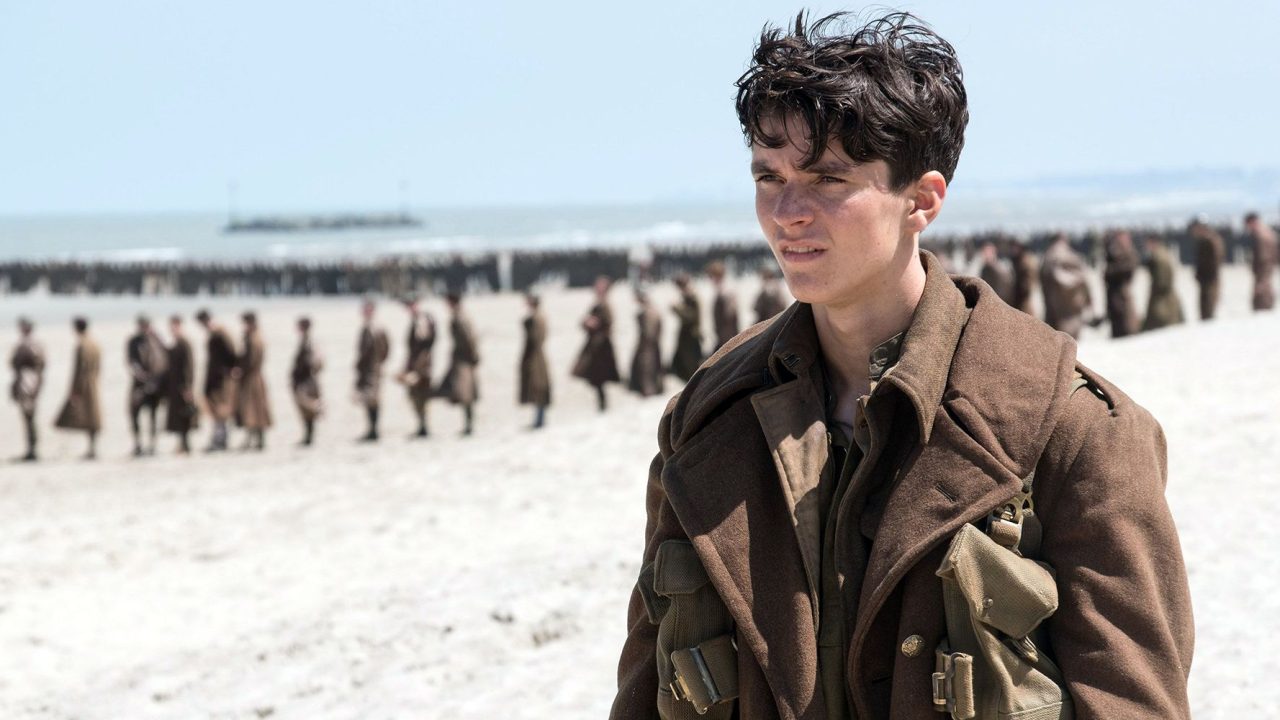
War movies occupy a unique corner of cinema — they demand both spectacle and soul. The best ones don’t just put you in the middle of a battlefield. They force you to sit with impossible choices, moral collapse, and the kind of tension that makes your palms sweat long before a single shot is fired. That combination of conflict and suspense is what separates a war thriller from a simple war film.
The greatest war thrillers — from Das Boot to 1917 — endure not because of their spectacle, but because they use the pressure of survival to expose the rawest truths about human courage, cowardice, and sacrifice.
The genre has produced some of the most gripping, technically ambitious, and emotionally devastating films ever made. Whether you’re new to the category or looking for a ranked guide to the absolute best, the films that belong on this list share one defining quality: they never let you breathe easily.
Below is a look at ten of the greatest war thrillers ever committed to screen, drawing on what makes each one stand apart — not just as war films, but as masterclasses in sustained tension and storytelling.
What Makes a War Film a War Thriller?
Not every war movie qualifies. A war thriller specifically uses the machinery of conflict — enemy lines, limited information, life-or-death decisions under pressure — to generate suspense. Think less battlefield pageantry, more stranglehold tension. The audience should feel like they’re the ones who might not make it out.
These films tend to focus on small groups or individuals rather than sweeping armies. The camera stays close. The stakes feel personal. And the enemy isn’t always the most obvious one in the room.
Several films in this genre — particularly Saving Private Ryan, Apocalypse Now, and Das Boot — contain intense psychological distress, graphic combat, and prolonged sequences of sustained dread. They are not background viewing. Give them your full attention.
The genre pulls from history, from fiction, and from the darkest corners of human psychology. It’s also one of the few categories where a film can win both a technical Oscar and leave audiences emotionally wrecked for days afterward.
The 10 Greatest War Thrillers — Ranked and Explained
These films were selected based on their craft, their cultural impact, and their ability to function as genuine thrillers — not just historical documents or action spectacles. Each one earns its place for different reasons.
What follows draws on verifiable, widely established facts about the war thriller genre rather than invented rankings.
Films That Define the Genre
Certain titles appear again and again in serious conversations about war thrillers — and for good reason. Das Boot (1981), the German submarine epic directed by Wolfgang Petersen, is frequently cited as one of the most claustrophobic and relentlessly tense war films ever made. Its confined setting turns the ocean into a trap.
Apocalypse Now (1979), Francis Ford Coppola’s Vietnam-era descent into madness, operates as much as a psychological thriller as a war film. The further the story travels upriver, the more the rules of reality seem to dissolve.
“The further the story travels upriver, the more the rules of reality seem to dissolve.” — On Apocalypse Now, a film that operates as much as a psychological thriller as a war epic.
The Hurt Locker (2008), directed by Kathryn Bigelow, won six Academy Awards including Best Picture and Best Director — and remains one of the most precise portraits of adrenaline addiction and modern warfare ever filmed.
Saving Private Ryan (1998) changed the visual language of war cinema permanently. Steven Spielberg’s opening Omaha Beach sequence is still considered one of the most technically overwhelming and emotionally devastating scenes in film history.
More recent entries like 1917 (2019), directed by Sam Mendes, pushed the form further by constructing an apparent single-take narrative that places the viewer in real time alongside two soldiers crossing enemy lines. It’s an engineering achievement as much as a storytelling one.
Why These Films Still Matter
War thrillers endure because they strip human behavior down to its essentials. There’s no room for performance or pretense when survival is the only currency. The best films in this category use that pressure to reveal something true about people — about cowardice, loyalty, sacrifice, and the specific madness that comes from being asked to kill or be killed.
They also tend to age better than most genre films. The technical achievements of Saving Private Ryan still hold up. The psychological unease of Apocalypse Now hasn’t faded. Das Boot remains as suffocating as it was in 1981.
For audiences who want cinema that demands something from them — attention, endurance, emotional investment — the war thriller delivers in ways few other genres can match.
How to Approach This Genre If You’re New to It
If you haven’t spent much time with war thrillers, starting with the most accessible entry points makes sense. Films like The Hurt Locker and 1917 are modern enough in their filmmaking language that they don’t require historical context to hit hard.
From there, working backward toward classics like Das Boot or Apocalypse Now gives you a sense of how the genre evolved — and how certain directors pushed it into territory that still hasn’t been fully mapped.
The genre rewards patience. These aren’t films designed for half-attention. They’re built to pull you in completely and not let go until the credits roll.




Leave a Reply