
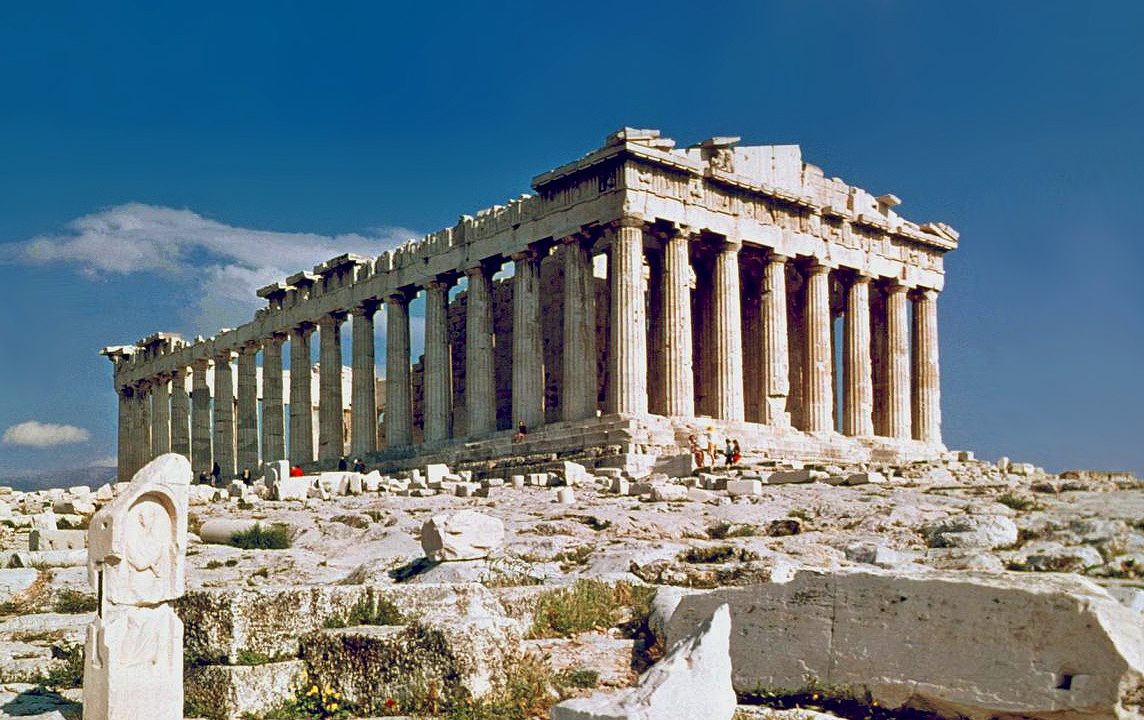
The way people choose where to travel is shifting in a fundamental way — and the tourism industry is scrambling to keep up. Across the globe in 2026, travelers are increasingly turning away from purely resort-based holidays and toward experiences rooted in sustainability, natural landscapes, and genuine cultural heritage. It is a trend reshaping how destinations market themselves and how governments invest in their tourism sectors.
At the front of this shift stands Greece, where the Greek National Tourism Organization has moved decisively to position the country’s deep history and long-standing traditions as core assets in a changing global market. The strategy reflects a broader industry recognition: authenticity is no longer a bonus — it is the expectation.
As the industry looks toward the World Travel Market London 2026, new partnerships and events are being formed with a shared goal — ensuring that local identity and cultural preservation remain central to the global tourism economy, not afterthoughts to it.
Why Sustainable and Cultural Tourism Is Defining 2026
The concept of a luxury vacation has quietly been redefined. For a growing segment of travelers, the most desirable experience is no longer a pool overlooking the ocean — it is a hike through an ancient landscape, a meal prepared from a centuries-old regional recipe, or a guided walk through a neighborhood that has changed little in five hundred years.
This evolution in consumer behavior is not accidental. Industry observers note that high-authority media coverage has played a significant role in shaping public desire for cultural travel. When influential publications repeatedly frame heritage destinations as aspirational, travelers internalize that framing and begin booking accordingly.
The result is a measurable shift in what travelers say they want. Sustainability and nature are now treated as premium offerings — the new five-star markers that signal a trip will be meaningful, not just comfortable. Destinations that can credibly deliver on both are the ones seeing the strongest interest heading into the second half of 2026.
Greece’s Strategic Response to a Changing Market
Few countries are better positioned to benefit from this trend than Greece. The country holds one of the world’s most recognized stores of cultural heritage — ancient ruins, living traditions, regional cuisines, and landscapes that range from volcanic islands to forested mountains — and its national tourism body has recognized that this is a strategic advantage worth defending and promoting aggressively.
The Greek National Tourism Organization has implemented new strategies specifically designed to leverage the country’s history and traditions in the context of the 2026 sustainable tourism boom. The focus is on presenting Greece not just as a summer beach destination but as a year-round cultural and nature-based experience.
This repositioning matters because it addresses one of the chronic vulnerabilities in Greek tourism: seasonal overcrowding in a handful of iconic spots while lesser-known regions go largely unvisited. By promoting cultural depth alongside natural environments, the strategy aims to spread visitor interest more evenly — and more sustainably.
Key Forces Driving the Global Shift in Travel Priorities
| Driver | How It Shapes Traveler Behavior |
|---|---|
| Sustainability values | Travelers seek destinations and operators that minimize environmental impact |
| Nature as luxury | Natural landscapes are increasingly treated as premium, high-value experiences |
| Cultural heritage interest | Authentic local history and traditions drive destination selection |
| Media influence | High-authority coverage shapes and amplifies public desire for cultural travel |
| Industry partnerships | Events like World Travel Market London 2026 forge new collaborative strategies |
What This Means for Travelers Planning a Trip
If you are planning travel in 2026, the shift toward sustainable and cultural tourism has practical implications for what you will find — and what you should look for — when researching destinations.
Destinations that have invested in cultural preservation and sustainable infrastructure are likely to offer richer, more considered experiences. Greece is one of the most prominent examples, but the trend is global. Travelers who align their choices with this movement can expect better-managed sites, more community involvement in tourism, and a stronger sense that their visit contributes positively rather than simply extracting value from a place.
- Cultural heritage sites are being actively preserved and promoted as primary attractions, not secondary ones
- Nature-based experiences are being positioned as premium offerings rather than budget alternatives
- Local identity and community traditions are increasingly central to the tourism proposition
- Industry events in 2026 are focused on building partnerships that keep sustainability at the core of travel development
- Media coverage of cultural destinations continues to drive significant consumer interest and booking behavior
For travelers, this means more options for meaningful experiences — but also more responsibility in choosing operators and destinations that genuinely deliver on their sustainability claims rather than simply marketing them.
- Resort-focused holidays prioritize comfort and convenience over local cultural engagement or environmental consideration.
- Seasonal concentration in iconic destinations leads to overcrowding and uneven economic benefit for host communities.
- Tourism marketing emphasizes amenities and price rather than authenticity or heritage value.
- Travelers actively prioritize sustainability, nature, and cultural heritage when selecting their destination in 2026.
- Greece and other destinations are spreading visitor interest across regions by promoting cultural depth and natural landscapes.
- The Greek National Tourism Organization is leveraging history and traditions as strategic assets in the new tourism economy.
What Happens at World Travel Market London 2026 and Beyond
The World Travel Market London 2026 is shaping up to be a pivotal moment for the sustainable and cultural tourism movement. The industry is treating the event as a platform for forging the partnerships needed to translate consumer demand into lasting structural change — the kind that protects local identity while building viable long-term tourism economies.
For destinations like Greece, these partnerships represent an opportunity to align with international networks that share a commitment to preservation-led growth. The expectation is that agreements and frameworks developed at events like this will guide how destinations invest in infrastructure, train local guides, manage visitor numbers, and communicate their cultural offerings to global audiences.
The broader trajectory is clear: sustainability and cultural authenticity are not passing trends in 2026. They are the new baseline expectations for a significant and growing segment of the global travel market — and the destinations that recognize this earliest will be the ones best positioned for the decade ahead.
Frequently Asked Questions
Why is Greece considered a leader in sustainable and cultural tourism in 2026?
The Greek National Tourism Organization has implemented new strategies to actively promote the country’s history, traditions, and natural landscapes in direct response to growing global demand for sustainable and culturally rich travel experiences.
What is driving the shift toward sustainable tourism in 2026?
Travelers are increasingly prioritizing sustainability, nature, and cultural heritage when choosing destinations, a shift being reinforced by media coverage and evolving consumer values.
What is the World Travel Market London 2026?
It is a major industry event where tourism organizations and partners are expected to forge new collaborations focused on keeping cultural preservation and sustainability at the heart of the global tourism economy.
How does media influence affect cultural tourism?
High-authority media coverage has been identified as a primary driver of consumer interest in cultural travel, shaping public desire for heritage-based destination experiences.
Does this trend affect how destinations manage visitor numbers?
The sustainable tourism model encourages spreading visitor interest across regions rather than concentrating it in overcrowded iconic spots, which is part of Greece’s updated strategic approach.
Is sustainable tourism just a marketing term or a real industry shift?
Based on the available data, it reflects a genuine evolution in consumer behavior, with travelers actively selecting destinations based on sustainability credentials and cultural authenticity rather than simply responding to marketing language.




Leave a Reply