
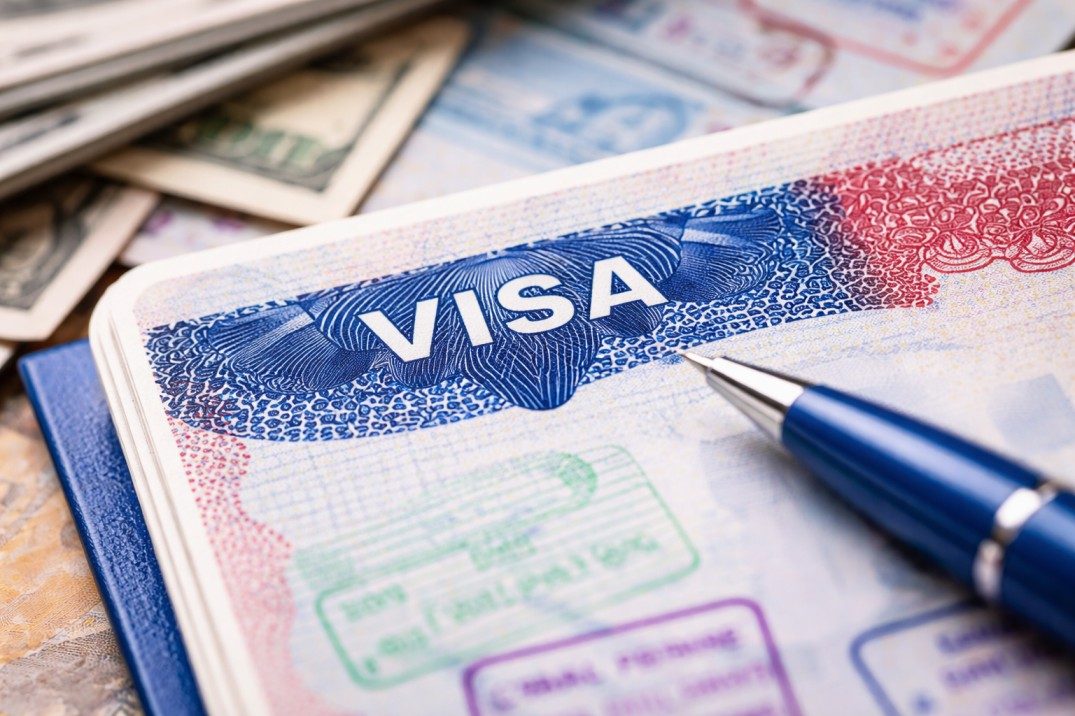
After months of near-zero availability, H-1B visa stamping appointment slots have quietly reappeared at U.S. consulates across India — and for thousands of Indian professionals waiting to finalize their immigration status, the news feels like a lifeline. But immigration experts are urging caution: just because slots are visible doesn’t mean traveling to India right now is the right move.
The sudden reappearance of consular interview appointments has sparked a wave of interest among H-1B holders currently based in the United States. Many have been waiting since late 2025 for a clear path forward after a large-scale rescheduling effort by the U.S. State Department left applicants in a prolonged state of uncertainty. Now that slots have reopened, the temptation to book travel quickly is real — but the risks are equally real.
The core tension here is straightforward: availability can disappear as fast as it returned, and getting stuck abroad without a stamped visa — or with a delayed passport — could have serious consequences for someone’s employment and immigration status in the U.S.
Why H-1B Visa Stamping Slots Disappeared in the First Place
The H-1B visa stamping process requires holders to attend an in-person consular interview, typically in their home country, when renewing or obtaining a new visa stamp. For Indian nationals — who make up the largest share of H-1B visa holders — this has historically meant scheduling appointments at U.S. consulates in cities like Mumbai, Chennai, Hyderabad, New Delhi, or Kolkata.
Since late 2025, availability at these consulates dropped to near-zero levels. A large-scale rescheduling operation by the U.S. State Department disrupted the existing appointment pipeline, leaving applicants without confirmed dates for months. The backlog grew, frustration mounted, and many professionals found themselves unable to travel internationally or renew their visa stamps as planned.
The recent reappearance of slots represents the first meaningful opening in that window — but experts stress that the supply remains limited and the situation remains fluid.
What the Current Situation Actually Looks Like
Here’s what is confirmed about the current state of H-1B visa stamping in India:
- Appointment slots have reappeared at U.S. consulates across India after months of near-zero availability.
- The reopening follows a period of disruption tied to a large-scale State Department rescheduling effort that began in late 2025.
- Immigration experts are actively advising U.S.-based H-1B holders not to travel to India solely for the purpose of visa stamping.
- The primary concerns cited are unpredictable slot availability and the risk of delays in passport processing.
- The situation is described as a rare opportunity — not a stable, reliable pipeline.
| Factor | Current Status |
|---|---|
| Appointment slot availability | Limited slots have reappeared at consulates across India |
| Availability reliability | Described as unpredictable — slots can disappear quickly |
| Passport processing | Potential delays flagged as a significant risk |
| Expert recommendation for U.S.-based holders | Caution advised against traveling solely for visa stamping |
| Disruption timeline | Backlog has been building since late 2025 |
The Real Risk for H-1B Holders Who Travel Anyway
For someone already living and working in the United States on an H-1B visa, the decision to travel to India for stamping carries stakes that go well beyond a missed flight. If an appointment falls through after arrival — or if passport processing hits unexpected delays — the traveler could find themselves stranded abroad, unable to return to their job on schedule.
That kind of disruption isn’t just inconvenient. It can affect employment continuity, create complications with an employer’s HR and legal teams, and in some cases trigger questions about visa status. The H-1B is a work-authorized status tied directly to a specific employer and role; extended absences or re-entry complications can ripple through the entire arrangement.
Immigration advocates note that the appeal of newly visible appointment slots is understandable — especially for professionals who have been waiting months with no clear timeline. But acting on urgency without a solid plan can turn a hopeful trip into a costly delay.
The unpredictability of slot availability compounds the problem. Unlike a confirmed appointment with a stable booking system, the current openings are described as limited and volatile. Someone who books flights based on a visible slot today has no guarantee that slot will remain available or that the broader system won’t shift again before their travel date.
What H-1B Applicants Should Do Right Now
The situation calls for careful, informed decision-making rather than a rush to book travel. For H-1B holders who genuinely need a visa stamp — for example, those whose current stamp has expired and who need to travel internationally — consulting with an immigration attorney before making any plans is the most important first step.
For those who are not facing an immediate travel need, waiting to see whether the current slot availability stabilizes into something more reliable may be the more prudent choice. The reappearance of slots is a positive development, but the underlying system remains uncertain.
Applicants who do decide to move forward should ensure they have a confirmed appointment, all required documentation in order, and a realistic understanding of processing timelines before booking any flights. Having a contingency plan for delays — including flexibility in return travel dates — is also strongly advisable.
The broader hope among immigration professionals is that this reopening signals a more sustained improvement in consular capacity. Whether that proves true will become clearer in the weeks ahead.
Frequently Asked Questions
Have H-1B visa stamping slots actually reopened in India?
Yes. Limited appointment slots have reappeared at U.S. consulates across India after months of near-zero availability following a State Department rescheduling effort.
Should I travel to India right now to get my H-1B visa stamped?
Immigration experts are advising U.S.-based H-1B holders not to travel to India solely for visa stamping, citing unpredictable slot availability and potential passport processing delays.
Why did H-1B stamping appointments disappear in the first place?
A large-scale rescheduling effort by the U.S. State Department beginning in late 2025 disrupted the existing appointment pipeline, leaving applicants without confirmed dates for months.
What are the risks of getting stranded in India during the stamping process?
Travelers face potential delays in passport processing and unpredictable appointment availability, which could prevent timely return to the U.S. and disrupt employment and immigration status.
Is the current slot availability expected to be stable going forward?
This has not yet been confirmed. The current openings are described as limited and volatile, and experts have not indicated whether this represents a permanent improvement in consular capacity.
What should H-1B holders do before deciding to travel for stamping?
Consulting with an immigration attorney, confirming a secured appointment, and building flexibility into travel plans are all recommended steps before committing to any trip.


Leave a Reply