
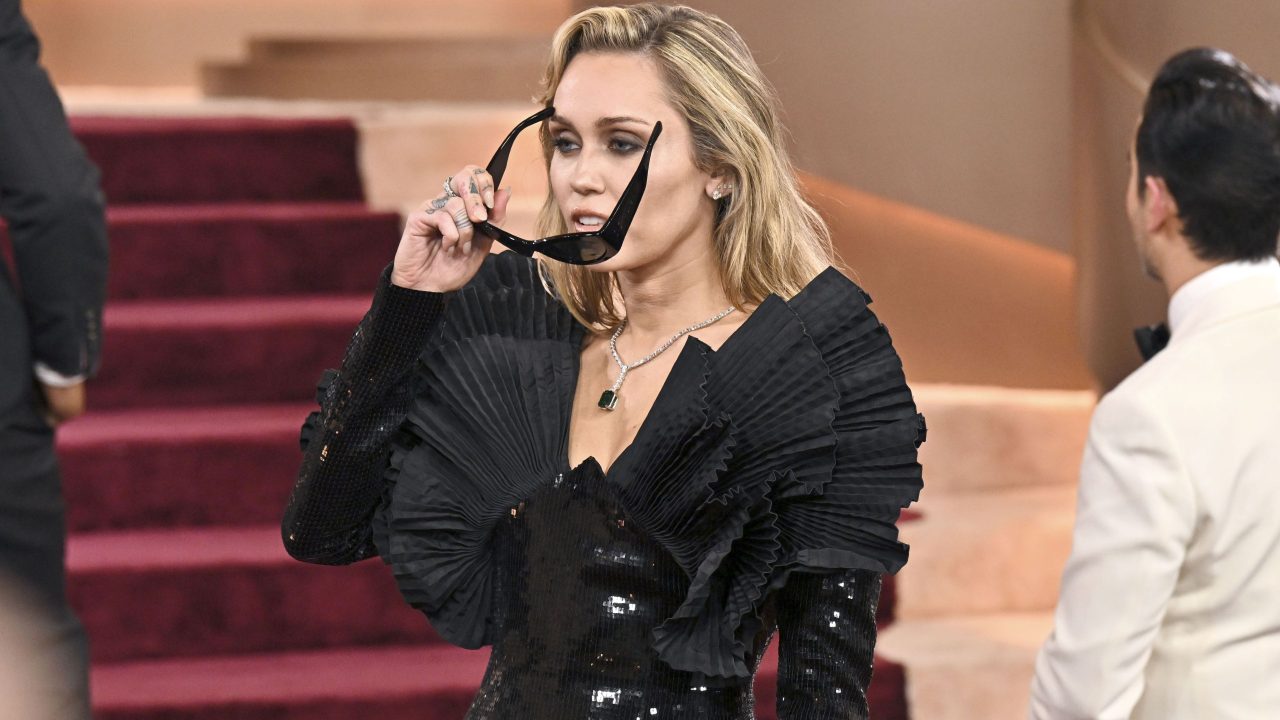
Nostalgia is a powerful thing — powerful enough to make a two-decade-old Disney Channel theme song feel like it was written yesterday. Hannah Montana, the show that turned Miley Cyrus into a household name and dominated tween culture throughout the late 2000s, is back in the cultural conversation. And with it comes a surprisingly deep question: what made that era of pop music feel so perfect, and why does nothing quite sound like it anymore?
But the topic itself — the sonic fingerprint of early Disney pop, the production tools behind it, and what the genre’s decline says about the music industry — is rich enough to explore honestly, using what we know to be verifiable about that era.
So let’s talk about what Hannah Montana actually represented, why the MPC sampler sits at the center of that sound, and what it means that polished, guilt-free pop perfection has largely disappeared from the mainstream.
What Hannah Montana Actually Was — Beyond the Wig
It’s easy to reduce Hannah Montana to its premise: a teenage girl living a double life as a pop star. But the show, which premiered on Disney Channel in 2006 and ran for four seasons, was also a delivery mechanism for some of the most precisely engineered pop music of its decade.
The songs weren’t afterthoughts. Tracks like “The Best of Both Worlds” and “Nobody’s Perfect” were constructed with the same commercial intent as anything on Top 40 radio — hook-first, rhythmically tight, emotionally direct. They were designed to be immediately memorable to kids and just tolerable enough for parents. That is not an easy balance to strike.
Miley Cyrus, who played both Miley Stewart and the fictional Hannah Montana, became one of the most recognizable teen stars in the world during this run. The show’s music wasn’t just background noise — it charted, it sold, and it defined what a generation thought pop was supposed to sound like.
The MPC and the Sound of That Era
The MPC — short for Music Production Center — is a hardware sampler and sequencer that became foundational to hip-hop production in the late 1980s and 1990s. By the mid-2000s, its influence had spread far beyond hip-hop, quietly shaping the rhythmic backbone of pop, R&B, and even children’s entertainment.
The MPC’s signature is in how it handles rhythm: slightly imperfect, slightly human, with a warmth that purely digital sequencing doesn’t naturally produce. That texture — present in a lot of the production from the Hannah Montana era — is part of why those songs feel the way they do. They have a physical quality. A bounce. Something that later, more algorithmic pop production often lacks.
When critics and music fans talk about the “death of perfect pop,” they’re often pointing at exactly this shift: the move away from human-feeling production tools toward software-driven, quantized, hyper-polished tracks that are technically flawless but emotionally inert.
Why “Perfect Pop” Disappeared — And What Replaced It
The late 2000s and early 2010s were arguably the last era when major-label pop for young audiences was produced with this kind of craft-meets-commerce intentionality. Several forces converged to change that:
- Streaming economics shifted incentives away from album-length storytelling and toward individual track performance, compressing the time and budget available for production.
- The rise of DIY and bedroom pop democratized music-making, which is genuinely good — but also flooded the market with a lo-fi aesthetic that became its own form of conformity.
- Algorithm-driven discovery on platforms like Spotify and TikTok rewards certain sonic signatures — often slower tempos, more atmospheric textures — over the punchy, hook-driven structures that defined Hannah Montana-era pop.
- The Disney machine itself changed, moving toward a more franchise-driven, IP-focused model that produces less original music and more tie-in content.
None of this is inherently bad. But it does mean that the particular combination of high production values, emotional directness, and rhythmic warmth that made those early Disney pop songs work is genuinely rare now.
What the 20th Anniversary Conversation Is Really About
When audiences revisit Hannah Montana — whether through a Disney+ anniversary special, a viral TikTok clip, or just a random memory — what they’re often mourning isn’t childhood innocence. It’s a specific sonic world that no longer exists in quite the same form.
That’s the real story behind the nostalgia. The MPC sample, the bright guitar tones, the layered harmonies, the lyrics that were earnest without being ironic — these were the product of a specific industrial moment in pop music. A moment when a major entertainment company was willing to invest serious production resources into music for teenagers, and when the tools available to producers created a particular kind of warmth.
| Era | Dominant Production Style | Key Sonic Quality |
|---|---|---|
| Late 2000s Disney Pop | MPC-influenced, live instrumentation, layered vocals | Warm, rhythmically human, hook-driven |
| 2010s Mainstream Pop | Max Martin-style digital production, EDM crossover | Polished, high-energy, somewhat clinical |
| 2020s Pop | Bedroom pop, hyperpop, algorithm-optimized streaming tracks | Lo-fi or hyper-stylized, often emotionally detached |
That table is a simplification, of course. But it maps the trajectory that listeners who grew up with Hannah Montana are intuitively sensing when they say modern pop doesn’t hit the same way.
What Comes Next for This Kind of Sound
There are signs that the pendulum is swinging back. Producers and artists across genres have been revisiting the mid-2000s pop aesthetic — sometimes sincerely, sometimes ironically, but with increasing frequency. The critical rehabilitation of artists from that era, and the genuine commercial nostalgia around properties like Hannah Montana, suggests there’s an audience hungry for that sound.
Whether the industry responds with something genuine or simply surfaces a nostalgic veneer over the same algorithmic structures remains to be seen. But the conversation is happening, and that itself is meaningful.
Frequently Asked Questions
When did Hannah Montana originally premiere?
Hannah Montana premiered on Disney Channel in 2006 and ran for four seasons.
Who starred in Hannah Montana?
Miley Cyrus played the dual role of Miley Stewart and the fictional pop star Hannah Montana throughout the show’s run.
What is an MPC in music production?
MPC stands for Music Production Center — a hardware sampler and sequencer that became foundational to hip-hop and pop production, known for giving music a warm, rhythmically human quality.
Why do people feel nostalgic for early Disney pop music?
Many listeners associate that era with a specific production style — hook-driven, rhythmically warm, and emotionally direct — that has become less common in algorithm-influenced modern pop.

Leave a Reply