
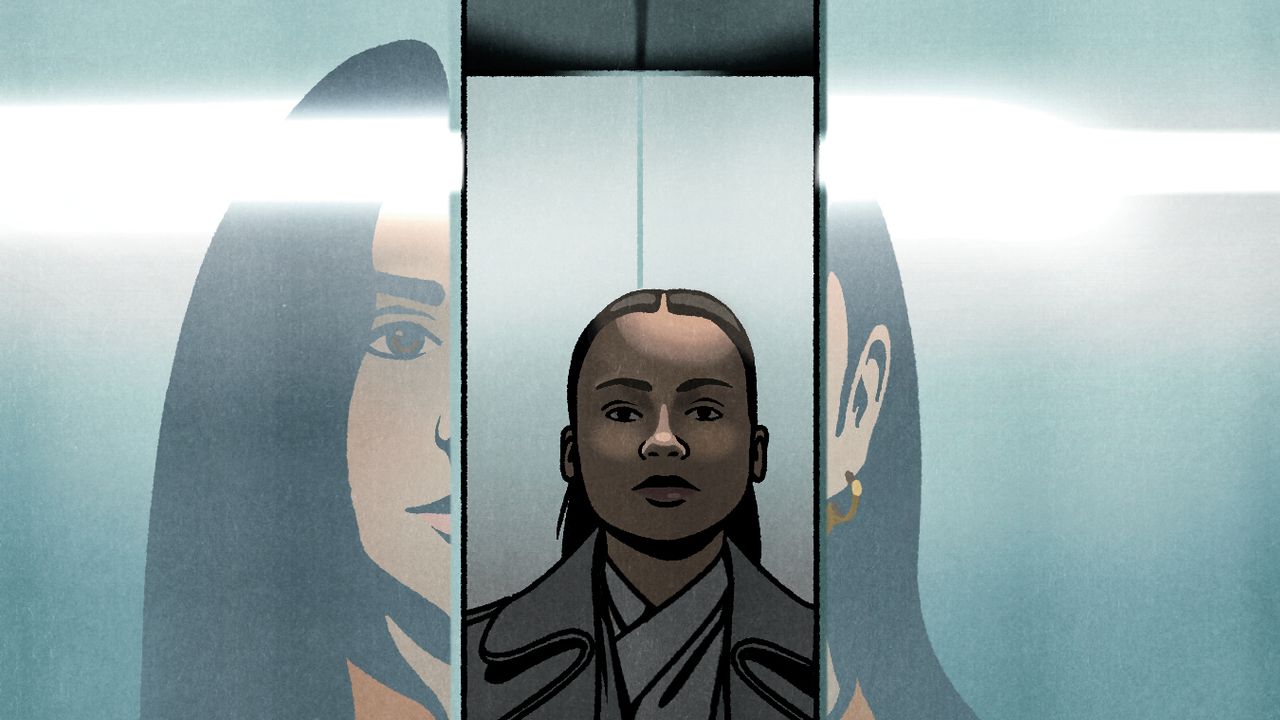
HBO has built its reputation on giving ambitious projects the room to breathe — and that philosophy may be paying off again with a four-part thriller series that critics are calling one of the best things currently available on any streaming platform.
The series in question is Industry, HBO’s drama that has quietly grown from a promising debut into something genuinely essential. What started as a show with potential has, over time, become appointment television for viewers who care about sharp writing, complex characters, and the kind of moral ambiguity that most streaming platforms simply don’t attempt.
If you haven’t watched it yet, here’s why that might be worth reconsidering this weekend.
Why HBO’s Approach to Developing Shows Still Works
There’s a reason HBO remains the gold standard for prestige television, even as Netflix, Apple TV+, Hulu, and Amazon have flooded the market with content. The network’s willingness to nurture a series — rather than cancel it after one underwhelming season — is increasingly rare and increasingly valuable.
Not every show arrives fully formed. Some of the most celebrated series in television history needed time to find their footing. What separates HBO from its competitors is the institutional patience to let that process happen, trusting that the right creative team will eventually deliver something worth the wait.
That model is exactly what critics argue has allowed Industry to become the kind of thriller that rewards viewers who stick with it from the beginning.
What Makes a Four-Part Thriller Stand Out in a Crowded Streaming Landscape
The limited series format — tight, focused, and structured around a small number of episodes — has become one of the most effective delivery mechanisms for thriller storytelling. When a show commits to four episodes, there’s no room for filler. Every scene has to carry weight. Every character choice has to matter.
That constraint tends to produce television that feels more cinematic and more urgent than sprawling multi-season dramas. Viewers don’t have to commit to dozens of hours to get a complete, satisfying story. And writers don’t have the luxury of padding storylines that don’t serve the central tension.
Critics have pointed to this format as one of the key reasons certain HBO thrillers have landed so effectively with audiences who might otherwise feel overwhelmed by the sheer volume of content competing for their attention.
The Case for Watching It Now Rather Than Later
One of the persistent problems with streaming is that great television gets buried. Algorithms favor new releases. Word-of-mouth takes time to build. And by the time a show reaches the cultural conversation, many viewers feel like they’ve already missed the moment.
The argument being made by critics right now is straightforward: don’t let that happen with this one. A four-part series is a manageable commitment — the kind of thing you can watch across a single weekend without feeling like you’ve sacrificed a month of your life to a new obsession.
The quality-to-time-investment ratio here is exceptionally high, and that’s a genuinely rare thing to be able to say about anything on television right now.
How This Series Fits Into HBO’s Broader Track Record
HBO’s history with thriller and drama series is long enough that a new entry has to clear a high bar just to get noticed. The network that produced some of the most discussed television of the past two decades has trained its audience to expect a certain level of craft — in writing, in performance, and in production.
What’s notable about the current critical conversation around this series is that it isn’t being discussed as a pleasant surprise or a hidden gem that overperformed expectations. It’s being positioned as something that belongs in the same conversation as the network’s best work — not as a qualifier, but as a genuine peer.
| Factor | Why It Matters for Viewers |
|---|---|
| Four-episode format | Low time commitment, high narrative focus |
| HBO backing | Production quality and creative support above streaming average |
| Thriller genre | High stakes and sustained tension across all episodes |
| Critical reception | Being compared to the best currently available on any platform |
| Streaming availability | Accessible via HBO’s streaming platform for current subscribers |
What Viewers Are Actually Getting When They Press Play
The appeal of a well-constructed HBO thriller isn’t just about plot twists or production values, though both matter. It’s about the feeling that the people who made the show respected the audience enough to do the work properly — to write characters who feel like real people making complicated decisions under real pressure.
That’s what separates prestige television from content. Content fills time. Prestige television changes what you think about after you’ve finished watching.
The critical case being made for this series is that it falls firmly in the second category. And in a streaming environment where the average viewer has access to thousands of hours of programming and genuinely struggles to figure out what’s worth their time, that distinction carries real weight.
HBO has always understood that the best thing a network can do is find shows with potential and give them time to grow. Right now, critics are arguing that this particular series is the proof that the strategy still works.
Frequently Asked Questions
What is the HBO thriller series being discussed?
The series referenced in critical coverage is Industry, HBO’s drama that has drawn significant praise for its quality and storytelling across its run.
How many episodes does the series have?
The series being highlighted is structured as a four-part thriller, making it a relatively compact and focused viewing commitment.
Where can viewers watch it?
The series is available through HBO’s streaming platform for current subscribers.
Why are critics calling it one of the best on any streaming platform?
Critics have praised its tight format, high production quality, and the kind of complex, character-driven storytelling that HBO is known for supporting over time.
Is this a limited series or an ongoing show?
Do I need to watch previous seasons first?
This has not been confirmed in the available source material — checking HBO’s episode guide or a trusted review source before starting is recommended.




Leave a Reply