
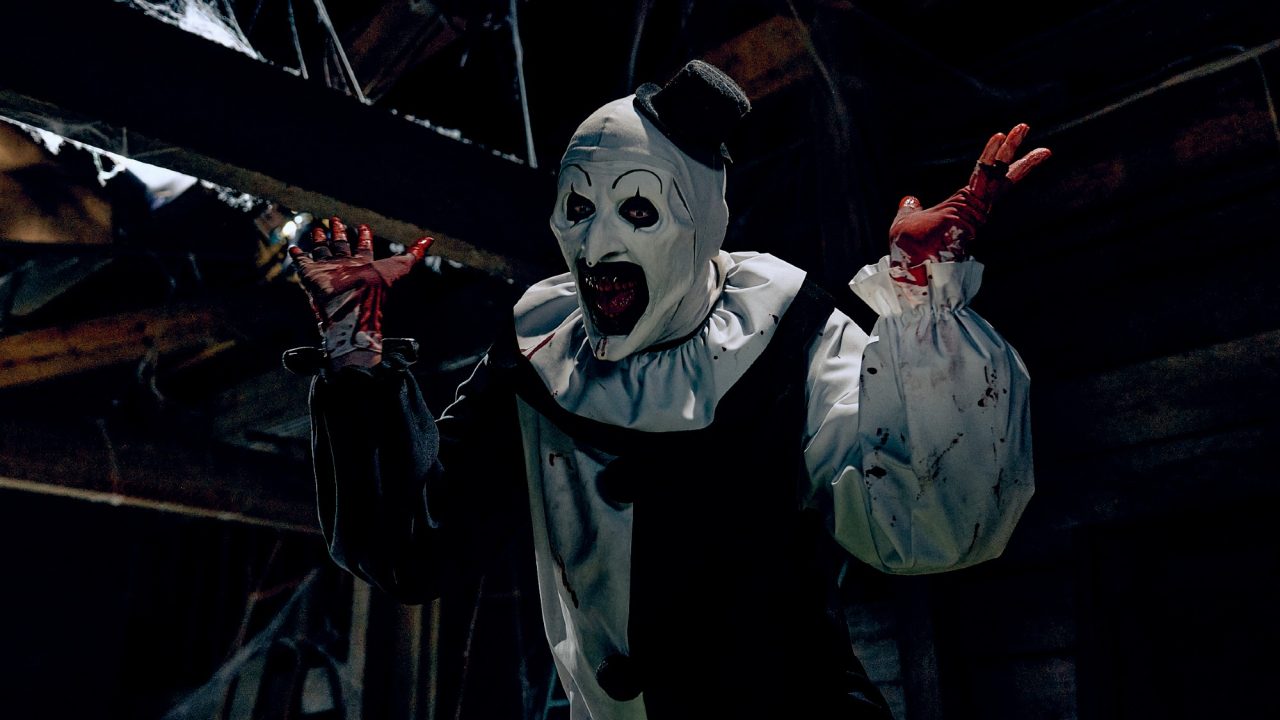
Horror fans have reason to feel genuinely excited right now — and not just because of one or two promising titles on the horizon. By most early assessments, 2026 is shaping up to be one of the strongest years for horror movies in recent memory, with a slate of films spanning supernatural terror, psychological dread, and visceral creature features that collectively suggest the genre is operating at an unusually high level.
That kind of momentum doesn’t happen every year. Horror goes through cycles — periods of saturation followed by creative breakthroughs — and the early signs point to 2026 being one of those rare years that genre fans will still be talking about a decade from now.
Here’s what we know about why 2026 is generating so much buzz among horror enthusiasts, and what makes a year truly stand out in the genre’s long history.
What Makes a Horror Year “Generational”?
The term gets thrown around loosely, but a genuinely generational year for horror isn’t just about box office numbers. It’s about cultural impact — films that redefine what the genre can do, introduce new voices, or deliver experiences that audiences simply weren’t prepared for.
Think about what 2017 did for horror. Get Out, It, and mother! all landed in the same calendar year, each approaching fear from a completely different angle. Or 1999, which gave audiences The Sixth Sense, The Blair Witch Project, and The Haunting within months of each other. When a year produces that kind of range and quality simultaneously, it earns a permanent place in the genre’s history.
By that standard, 2026 has real potential. The diversity of the upcoming slate — across subgenres, tones, and creative ambitions — is what separates it from a year that simply has a few good horror releases.
Why 2026 Horror Movies Are Generating Early Buzz
Several factors are converging to make 2026 stand out before many of its most anticipated films have even screened for critics.
- Franchise continuations with serious creative pedigree — sequels and follow-ups that aren’t just cashing in on name recognition but appear to be genuinely expanding their stories
- Original concepts from proven horror directors — filmmakers who have already demonstrated they understand the genre at a deep level returning with new material
- A mix of studio and independent productions — meaning the year isn’t dependent on any single pipeline or creative vision
- International horror gaining wider theatrical distribution — a trend that has been building for years and appears to reach a new peak in 2026
- Elevated horror continuing to evolve — films that use genre mechanics to explore genuinely complex emotional and social territory
That combination of factors — franchise depth, original voices, and global reach — is exactly what produces a year that feels bigger than the sum of its parts.
The Range of Horror 2026 Has to Offer
One of the clearest signs that a horror year will hold up over time is variety. When every film feels like it’s chasing the same trend, the genre stagnates. When studios and independent filmmakers are pulling in genuinely different directions at the same time, the results tend to be more memorable.
Based on what has been discussed and anticipated in genre coverage, 2026 appears to include horror across a wide spectrum of styles and approaches.
| Horror Subgenre | What Audiences Can Expect |
|---|---|
| Supernatural / Paranormal | Ghost stories and demonic narratives with fresh visual approaches |
| Psychological Horror | Films built on dread, unreliable perspective, and slow-burn tension |
| Creature Features | Monster-driven narratives leveraging both practical and digital effects |
| Elevated Horror | Character-driven stories using horror as a lens for deeper themes |
| Slasher / Survival | High-tension, kinetic films rooted in the genre’s classic traditions |
| International Horror | Non-English language films reaching broader global audiences |
That kind of subgenre spread means horror fans of almost every persuasion are likely to find something that speaks directly to what they love about the genre.
Why This Matters Beyond the Genre Itself
Horror has a complicated relationship with critical and awards recognition, but its cultural footprint has never been in question. Horror films consistently outperform their budgets at the box office, generate sustained conversation long after release, and often serve as the entry point through which casual moviegoers become lifelong cinema enthusiasts.
When horror has a genuinely strong year, the effects ripple outward. Streaming platforms invest more in original horror content. Studios greenlight riskier projects. Independent filmmakers find it easier to secure financing for unconventional genre work. A great year for horror isn’t just good news for fans — it’s good news for film culture broadly.
There’s also the simple fact that horror, more than almost any other genre, reflects the anxieties of its moment. The films that define a generation of horror almost always tell you something real about what that generation was afraid of — and what it needed to process through the safety of fiction.
What Horror Fans Should Watch For the Rest of 2026
The year is still unfolding, and how 2026 is ultimately remembered will depend on which films actually deliver on their promise when audiences finally see them. Early buzz and strong premises don’t automatically translate into great movies — horror fans know that better than anyone.
But the conditions are genuinely favorable. The slate is deep, the creative talent is serious, and the appetite for quality horror has never been stronger. Whether 2026 ends up earning its “generational” label will come down to execution — but the ingredients are there in a way that doesn’t come along every year.
For anyone who loves the genre, the smart move is to stay engaged with what’s coming, keep an open mind across subgenres, and resist the temptation to write off any single film before it has a chance to prove itself. The best horror years are usually the ones that surprise you.
Frequently Asked Questions
Why is 2026 being called a generational year for horror?
Genre observers point to the unusual depth and variety of the 2026 horror slate, which spans multiple subgenres and includes both franchise films and original concepts from credible filmmakers.
What types of horror movies are expected in 2026?
The anticipated lineup covers a wide range, including supernatural horror, psychological thrillers, creature features, elevated horror, slasher films, and international productions reaching wider distribution.
Does a strong horror slate affect the broader film industry?
Yes — strong horror years tend to encourage more investment in original genre content from both studios and streaming platforms, and can make it easier for independent horror filmmakers to secure financing.
What separates a truly great horror year from one that just has a few good films?
Cultural staying power and creative diversity are the key factors — years that produce range across subgenres and introduce new voices tend to be remembered long after the box office receipts are counted.
Are specific film titles confirmed as part of the 2026 horror lineup?
Is elevated horror still a dominant trend in 2026?
Based on early genre coverage, elevated horror — films using genre conventions to explore deeper emotional and social themes — remains a significant part of the 2026 landscape alongside more traditional horror styles.



Leave a Reply