
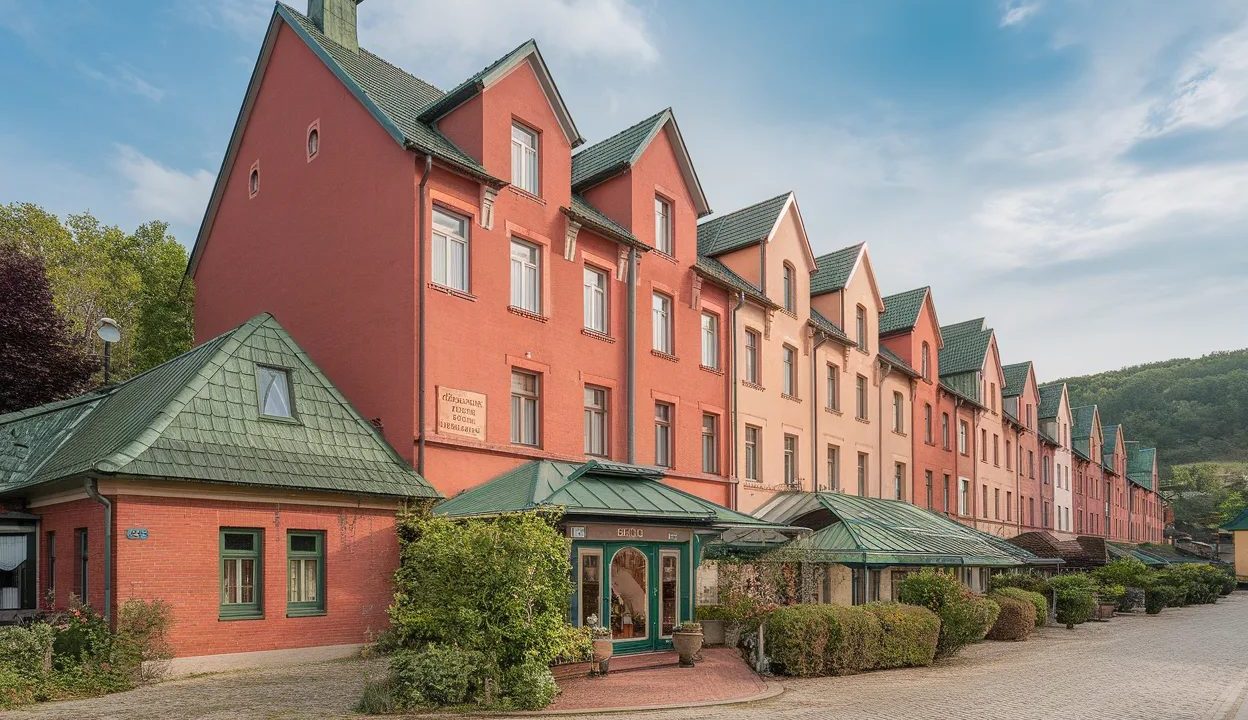
Canadian tourists are arriving in Europe in record numbers in 2026, and the continent’s hotels simply weren’t ready for it. Countries including Greece, France, Germany, Italy, Spain, and the United Kingdom are all feeling the pressure, with lodging demand surging well beyond what the hospitality sector had anticipated heading into the year.
What makes this wave particularly striking isn’t just the volume of travelers — it’s the structural shift it represents. This isn’t a short-haul vacation bump. Canadians are staying longer, spending differently, and choosing destinations in ways that are actively reshaping how European hotels operate, price rooms, and plan their seasons.
The European Travel Commission has confirmed that arrivals from Canada have exceeded all historical benchmarks. That’s not a modest uptick — that’s a fundamental change in transatlantic travel patterns that the industry is now scrambling to absorb.
Why Canadian Tourists Are Flooding Europe Right Now
Several forces are converging to push this trend. Transatlantic flight capacity has increased significantly, making the journey from Canada to European destinations more accessible and often more affordable than in previous years. At the same time, Canadians appear to be gravitating toward longer stays rather than the classic one-to-two-week sprint through major capitals.
This preference for extended travel changes everything for hotels. A guest staying ten to fourteen days consumes resources differently than a weekend visitor. They explore beyond the obvious tourist corridors. They eat locally, book mid-range properties, and return to the same city multiple times during a single trip.
The ripple effect is being felt most sharply in the boutique and mid-range accommodation segment. Canadian travelers have shown a clear preference for smaller, more characterful properties over large chain hotels — and those boutique properties were never built to handle this kind of sustained demand.
Where the Pressure Is Hitting Hardest
The six countries bearing the brunt of this surge each face slightly different challenges, but the common thread is occupancy rates climbing into territory that strains staffing, supply chains, and pricing structures.
| Destination Country | Accommodation Type Most Affected | Key Pressure Point |
|---|---|---|
| Greece | Boutique and mid-range hotels | High demand beyond peak summer season |
| France | Boutique and mid-range hotels | Shoulder-season occupancy surging |
| Germany | Boutique and mid-range hotels | Operational capacity under strain |
| Italy | Boutique and mid-range hotels | Extended-stay demand reshaping pricing |
| Spain | Boutique and mid-range hotels | Longer stays increasing resource pressure |
| United Kingdom | Boutique and mid-range hotels | Record Canadian arrivals exceeding capacity |
One of the less-discussed consequences of this surge is what it’s doing to the shoulder season — the traditionally quieter months of spring and autumn when hotels would typically offer lower rates and reduced staffing. Canadian travelers, many of whom are avoiding peak summer crowds deliberately, are filling those rooms in ways that operators simply hadn’t modeled into their financial forecasts.
How This Is Changing the Way European Hotels Actually Work
The hospitality industry isn’t just watching this happen — it’s actively responding. Hotels across all six affected countries are implementing significant operational improvements to keep pace with demand. These aren’t cosmetic changes. The industry is rethinking staffing models, booking systems, and how it communicates with a North American customer base that has different expectations than the European traveler it was originally designed to serve.
Boutique properties in particular are being forced to professionalize faster. A small family-run hotel in coastal Greece or rural Tuscany that once coasted through shoulder months on light occupancy now finds itself managing near-full bookings for weeks at a stretch. That requires more staff, better inventory management, and often a complete rethink of the guest experience pipeline.
For larger operators, the challenge is different but equally real. Canadian guests who prefer mid-range accommodations aren’t necessarily looking for luxury — they want quality, authenticity, and value. That’s a combination that mass-market chains have historically struggled to deliver, which means independent operators who can meet that expectation are winning significant market share right now.
What Happens Next for European Travel in 2026
The broader trajectory for the 2026 travel season points toward continued pressure rather than relief. The increase in transatlantic flights that helped spark this surge isn’t going away — airlines don’t pull profitable routes mid-season. And the Canadian appetite for European travel shows no signs of cooling.
For the hospitality industry, the priority is adaptation. Properties that move quickly to adjust their operational models — improving booking flexibility, extending their shoulder-season offerings, and catering specifically to the longer-stay traveler — stand to benefit enormously from what is shaping up to be one of the most significant shifts in transatlantic tourism in recent memory.
For travelers, the practical reality is simple: if you’re planning a European trip and you haven’t already booked accommodation, competition for rooms — especially at boutique and mid-range properties — is genuinely fierce. The days of showing up in shoulder season and finding easy availability are, for now, behind us.
The European hotel sector is being reshaped in real time. Whether that transformation leads to lasting improvements in how the industry serves international travelers, or simply produces a painful period of overcrowding and inflated prices, will depend on how quickly operators can scale their response to match this new reality.
Frequently Asked Questions
Which European countries are seeing the biggest surge in Canadian tourists?
Greece, France, Germany, Italy, Spain, and the United Kingdom are the six primary destinations experiencing record Canadian arrivals in 2026.
Why are so many Canadians traveling to Europe in 2026?
The surge is being driven by an increase in transatlantic flights and a broader trend among Canadian travelers toward longer stays in European destinations.
What type of accommodation is most in demand from Canadian tourists?
Canadian travelers have shown a strong preference for boutique and mid-range hotels, which are now struggling to keep pace with unprecedented demand.
How are European hotels responding to the overcrowding pressure?
Hotels across the affected countries are implementing significant operational improvements, including changes to staffing models and booking systems, to manage the surge.
Is the shoulder season still a good time to visit Europe?
The shoulder season is now seeing sharply higher occupancy than usual, as Canadian tourists are specifically choosing spring and autumn travel to avoid peak summer crowds.
Will this level of Canadian tourism in Europe continue beyond 2026?
This has not yet been confirmed, though the structural factors driving the trend — more transatlantic flights and longer average stays — suggest the shift may extend beyond a single travel season.




Leave a Reply