
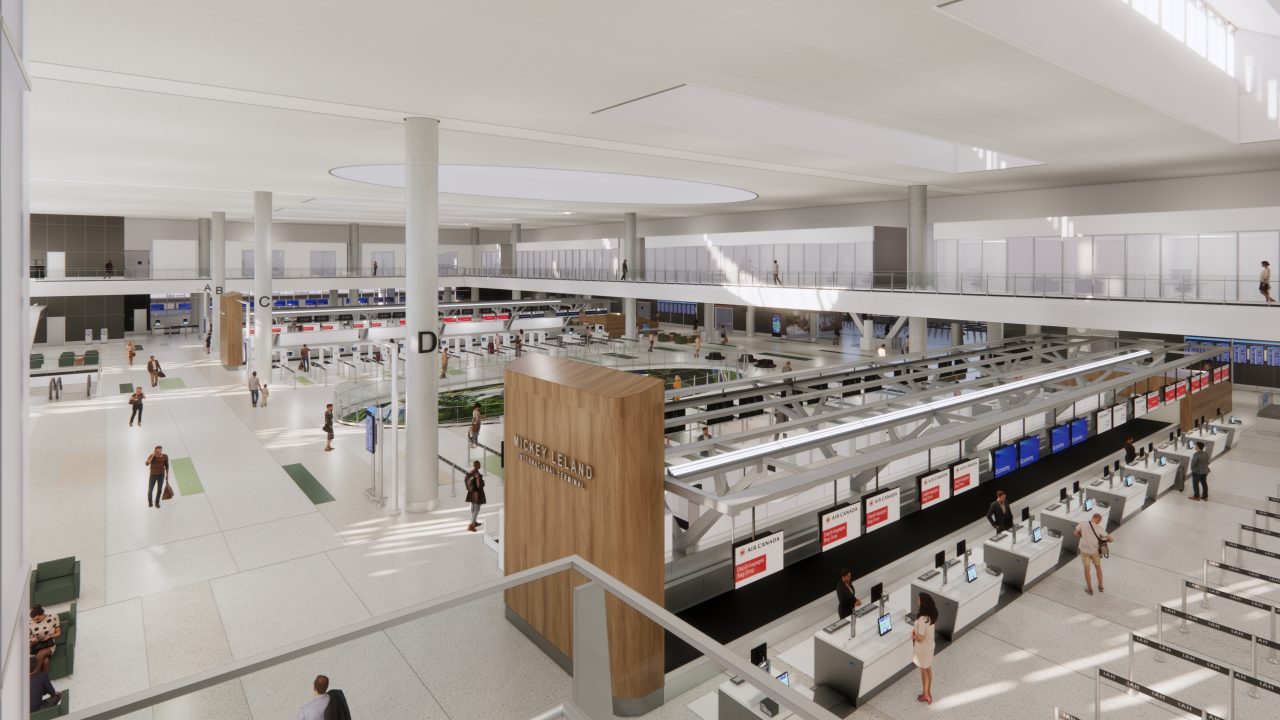
A government shutdown doesn’t just close national parks or pause federal paychecks — it sends shockwaves through the nation’s airports. Right now, travelers passing through Houston are experiencing that reality firsthand, as a Transportation Security Administration staff shortage linked to the federal funding crisis is producing some of the longest security wait times seen at the city’s major airports.
The situation is serious and, for anyone with upcoming travel plans through Houston, it’s worth understanding exactly what’s happening on the ground and why it matters far beyond one city.
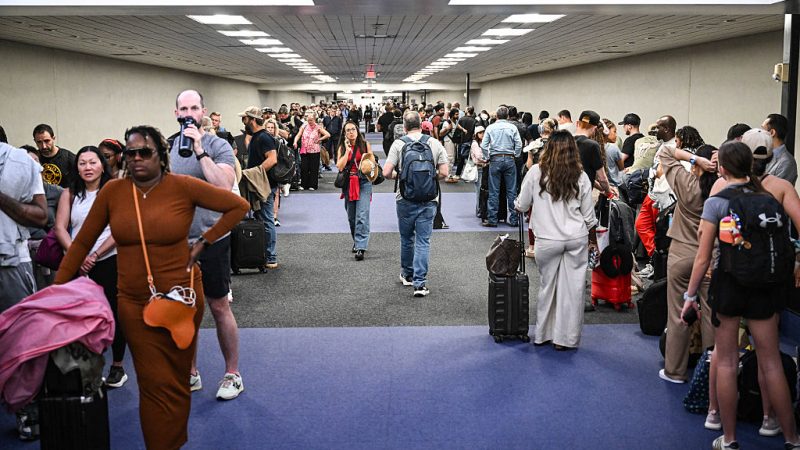
Houston’s airports — including Bush Intercontinental — are at the center of a growing disruption that experts warn could spread further if the underlying staffing crisis is not resolved quickly. Passengers are waiting in lines that stretch well beyond what any airport is designed to handle, and the pressure on the system is continuing to build.
Why the Government Shutdown Is Hitting Airports So Hard
When the federal government shuts down, agencies funded through annual appropriations are forced to operate with dramatically reduced capacity — or stop operating altogether. The Transportation Security Administration, which screens passengers at every commercial airport in the country, is one of those agencies.
TSA officers are considered essential workers, which means they are required to keep showing up to work during a shutdown. But they do so without receiving their regular paychecks on time. Historically, this leads to a predictable and painful outcome: increased call-outs, reduced morale, and a workforce that simply cannot sustain full operations under financial stress.
Houston, as one of the busiest travel hubs in the southern United States, is particularly exposed when staffing drops. Fewer screeners mean slower lanes. Slower lanes mean longer lines. And longer lines — especially during peak travel windows — mean delays that ripple outward to affect departure schedules across the entire network.
What’s Actually Happening at Houston Airports Right Now
The disruption centers on a significant shortfall in available TSA personnel at Houston’s airports. With fewer officers available to staff security checkpoints, the screening process is taking far longer than normal, and travelers are bearing the consequences.
The delays being reported are among the most severe in the country, placing Houston at the epicenter of what is becoming a national travel disruption story. Airlines operating out of Bush Intercontinental are contending with the downstream effects of backed-up security lines, including cascading schedule impacts.
| Factor | Status | Impact on Travelers |
|---|---|---|
| TSA staffing levels | Significantly reduced due to shutdown | Slower checkpoint processing, longer queues |
| Security wait times | Among the longest in the US | Passengers missing flights or arriving very early |
| Houston Bush Intercontinental | Primary affected hub | Delays spreading to connecting flights nationwide |
| Government shutdown pressure | Ongoing and intensifying | Crisis expected to worsen if shutdown continues |
Who Gets Hit — and How Bad It Can Get
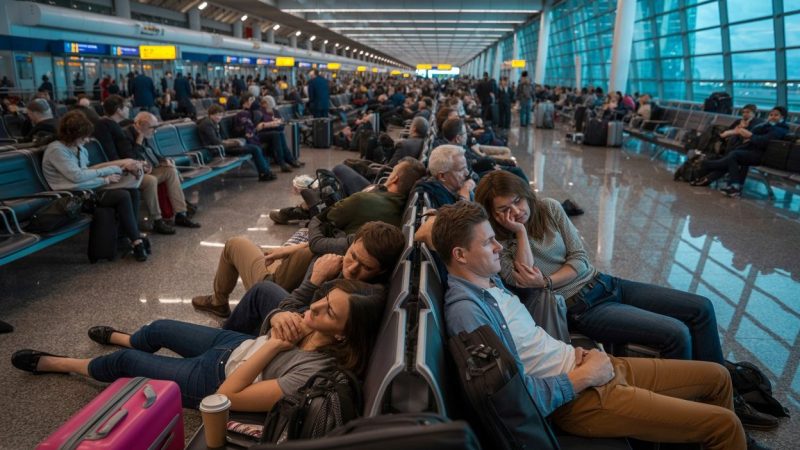
The people feeling this most directly are everyday travelers — families heading to spring break destinations, business travelers on tight schedules, and anyone connecting through Houston on their way somewhere else. A delay at a major hub doesn’t stay local. It travels with every passenger who misses a connection.
For travelers with early morning or late evening flights, the staffing shortage can mean showing up hours before a previously reasonable departure time just to clear security without panic. Those who arrive at their usual window are finding themselves caught in queues that were not there a month ago.
Airlines, too, are absorbing the pressure. When security lines back up, gates fill late, boarding is compressed, and on-time departure rates suffer. That affects airline performance metrics, customer satisfaction, and the operational efficiency of the entire airport ecosystem.
There’s also a broader concern here. Houston is not an isolated case — it’s a warning sign. If TSA staffing shortfalls are producing this level of disruption at one major hub, airports across the country face similar risks as long as the shutdown continues.
What Travelers Should Do Right Now
If you have travel through Houston scheduled in the coming days or weeks, the advice is straightforward: build in significantly more time. Arriving the standard 90 minutes before a domestic flight may not be enough. Two to two-and-a-half hours is a more realistic buffer given current conditions.
Checking your airline’s app for real-time updates before leaving for the airport is also worth doing consistently. Conditions can shift based on how many TSA officers report for a given shift, and what looks manageable in the morning can deteriorate quickly.
TSA PreCheck lanes, where available, are also likely to move faster than standard screening — though those lanes are not immune to the staffing pressure either.
The most important variable right now is the shutdown itself. Until federal funding is restored and TSA officers begin receiving regular pay, the staffing pressure at Houston’s airports — and at major hubs across the country — is unlikely to ease on its own.
Frequently Asked Questions
Why is the government shutdown causing delays at Houston airports?
The shutdown is reducing TSA staffing levels, as officers working without timely pay are calling out at higher rates, leaving fewer screeners available at security checkpoints.
Which Houston airport is most affected?
Bush Intercontinental Airport has been identified as a primary affected hub in the current disruption.
How bad are the delays compared to other US airports?
Houston’s security wait times are currently among the longest being reported across the United States, according to available information about the crisis.
Will the delays get worse?
The situation is described as expanding and intensifying, with conditions expected to worsen as long as the government shutdown and resulting TSA staff shortage continue.
What can travelers do to avoid missing their flights?
Arriving significantly earlier than usual — at least two to two-and-a-half hours before domestic departures — is the most practical step travelers can take right now.
Is this problem limited to Houston?
While Houston is currently the focal point, the underlying cause — TSA staffing pressure from the shutdown — affects airports nationwide and could produce similar disruptions elsewhere.


Leave a Reply