
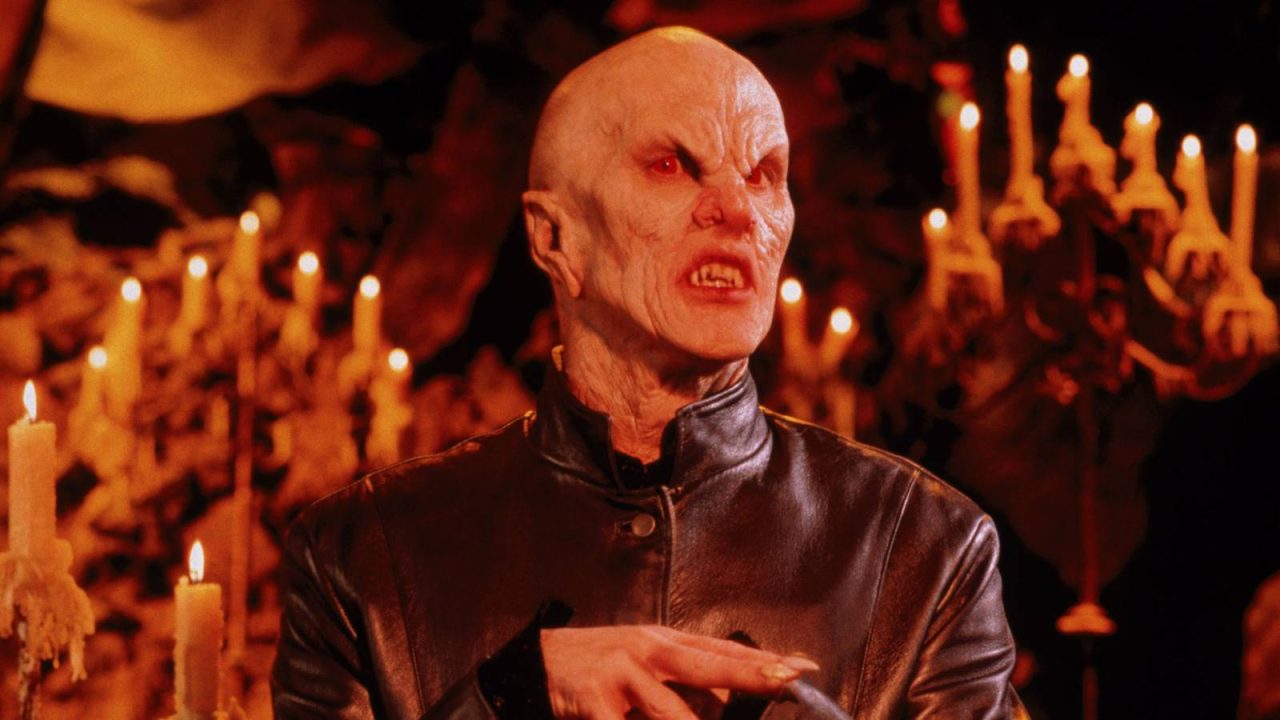
Hulu just pulled the plug on one of the most talked-about revival projects in recent television memory — and in doing so, it also ended what fans had been calling the most exciting fantasy TV showdown of the 21st century before it ever had a chance to begin.
The streaming platform has canceled its highly anticipated Buffy the Vampire Slayer reboot, a project that had generated enormous buzz among genre fans and pop culture observers alike. The cancellation doesn’t just disappoint a fanbase — it wipes out a potential head-to-head battle between two major fantasy properties that would have defined the streaming landscape for years to come.
For a show that defined an entire generation of television, this is a significant moment. And for anyone who cares about where fantasy TV is headed, it’s worth understanding exactly what was lost — and why it matters.
What Hulu Was Building — And Why It Had Everyone’s Attention
The Buffy the Vampire Slayer reboot had been in development at Hulu as one of the streamer’s flagship fantasy projects. The original series, which ran from 1997 to 2003, is widely considered one of the greatest television shows ever made. It didn’t just entertain — it reshaped what audiences expected from genre storytelling, from character writing, and from female-led narratives on television.
A revival of that property was never going to be a quiet announcement. From the moment it entered development, the project became a flashpoint for conversations about reboots, legacy, and whether beloved classics should be revisited at all.
The reboot trend shows no signs of slowing down across both film and television. Networks and streamers have repeatedly returned to familiar intellectual property as a way to attract built-in audiences. But as observers have noted, not all reboots are created equal — and the approach matters enormously when
The Fantasy Showdown That Almost Happened
What made this cancellation sting beyond ordinary disappointment was the competitive context surrounding it. Had the Hulu Buffy revival moved forward, it would have entered a streaming landscape already crowded with high-profile fantasy productions — setting up what many described as the most compelling genre face-off television has seen this century.
The collision of major fantasy properties competing for viewer attention and cultural dominance represented something genuinely rare: a moment where the genre itself would be stress-tested at the highest level. Buffy, with its decades of legacy and passionate fandom, would have been a formidable contender in that environment.
Instead, that showdown is now off the table entirely.
| Project | Platform | Status | Genre |
|---|---|---|---|
| Buffy the Vampire Slayer Reboot | Hulu | Canceled | Fantasy / Horror |
| Original Buffy the Vampire Slayer | The WB / UPN | Completed (1997–2003) | Fantasy / Horror |
Why the Reboot Trend Makes This Cancellation Complicated
There’s a broader story here that goes beyond one canceled show. The entertainment industry has leaned heavily on reboots and revivals as a content strategy, and audiences have responded with a mixture of enthusiasm and fatigue. Some revivals have managed to honor their source material while finding something genuinely new to say. Others have struggled to justify their own existence.
The Buffy reboot was always going to face that scrutiny at an elevated level. The original series is not just nostalgically beloved — it is critically regarded as one of the best television productions of its era, full stop. Recreating or reimagining it carries enormous risk alongside the obvious appeal.
Critics of the reboot approach have long argued that returning to well-loved properties without a clear creative vision does more harm than good — both to the new project and to the legacy of the original. Supporters, meanwhile, point to the genuine opportunity that revivals offer: bringing beloved worlds to new audiences who weren’t there the first time.
Where the Hulu Buffy project fell on that spectrum will now remain an open question.
What This Means for Fantasy TV Fans Right Now
For viewers who were genuinely excited about this project, the cancellation is a real loss. The promise of returning to the Buffyverse — even in a reimagined form — represented something that the current television landscape rarely offers: a fantasy property with genuine emotional depth, sharp writing, and a track record of delivering on both horror and heart.
The cancellation also signals something about Hulu’s current content strategy. Pulling a high-profile, highly anticipated project before it reaches audiences suggests internal recalibration — the kind of decision that streamers make when priorities shift or development challenges prove too significant to resolve.
For the broader fantasy genre on television, the loss of this potential showdown leaves a gap. The competition between major fantasy properties drives creative ambition. When one major contender exits the field before the match begins, the whole landscape shifts.
Where Things Stand and What Comes Next
As of now, the Hulu Buffy revival is officially dead. There is no confirmed alternative plan for the property, no announced pivot to another platform, and no indication that the project will be resurrected elsewhere in the near term.
Whether another network or streaming platform eventually picks up the idea — or whether a completely different creative team attempts something new with the Buffy intellectual property — remains to be seen. The appetite for this kind of content clearly exists. Whether the right circumstances will align again is a different question entirely.
For now, fans of the original are left with what they already have: seven seasons of television that still holds up, and the lingering curiosity about what might have been.
Frequently Asked Questions
What did Hulu cancel?
Hulu canceled its highly anticipated reboot of Buffy the Vampire Slayer, one of its most talked-about fantasy revival projects.
What was the “fantasy TV showdown” that was being discussed?
The Buffy reboot was expected to compete directly with other major fantasy productions on streaming platforms, creating what observers described as the most exciting genre face-off of the century.
When did the original Buffy the Vampire Slayer run?
The original series aired from 1997 to 2003 on The WB and later UPN, and is widely regarded as one of the greatest television shows ever made.
Will the Buffy reboot move to another platform?
This has not yet been confirmed. There is currently no announced plan to revive the project at another network or streaming service.
Why do streamers keep making reboots if some get canceled?
Reboots attract built-in audiences familiar with the original material, making them appealing to networks and streamers — though not every project successfully makes it to air.
Is there any chance the Buffy revival could be brought back?
Nothing has been confirmed either way. As of now, the project remains canceled with no publicly announced plans for revival elsewhere.




Leave a Reply