
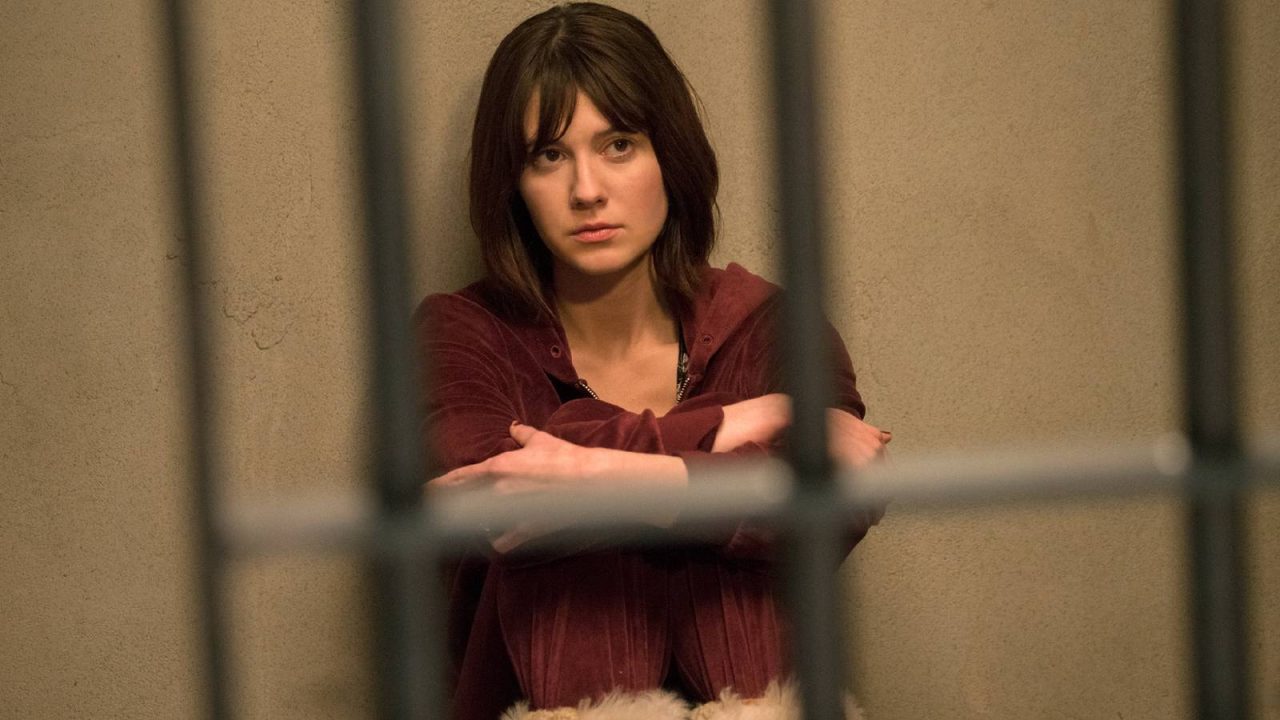
When Hulu announced a television adaptation of the Coen Brothers’ Fargo — the darkly comic 1996 crime film beloved by critics but notoriously difficult to explain to anyone who hadn’t seen it — plenty of people had their doubts. How do you stretch a shaggy dog story about a bumbling kidnapping scheme into a multi-season prestige drama? The answer, it turned out, was better than almost anyone expected.
The Fargo TV series has now run five seasons, and the consensus among viewers and critics is that it has not only justified its existence — it has earned a place among the finest crime dramas ever made for television. That’s a remarkable outcome for a show that, on paper, had no obvious reason to work.
Understanding why the show succeeded where it seemed destined to stumble tells you a lot about what makes great television — and why the best adaptations don’t simply retell their source material, but find something entirely new inside it.
Why Everyone Was Skeptical From the Start
The original Fargo film, directed by Joel and Ethan Coen, is a genuinely strange piece of cinema. It is simultaneously hilarious, deeply unsettling, and quietly sad. Its plot — which follows a kind-hearted pregnant police chief investigating a crime set in motion by a desperate, weak-willed car salesman — resists easy categorization. It’s a crime drama that doesn’t feel like a crime drama. It’s a comedy that earns real grief.
That tonal complexity is precisely what makes Fargo special, and precisely what made it so hard to imagine translating to a serialized format. The Coen Brothers’ best films often work because of their compression and their precision. Every scene earns its place. There is no fat. A television series, by contrast, needs to sustain itself across hours of storytelling, which creates enormous pressure to dilute, repeat, or simply pad what made the original work.
Viewers and reviewers who were skeptical weren’t being unreasonable. They were applying lessons learned from decades of films-turned-TV-shows that lost everything essential in the translation.
What the Fargo Series Actually Did Differently
Rather than retelling the 1996 film, the Fargo TV series adopted an anthology format. Each season tells a completely new story with a new cast of characters, set in a different time period, but all sharing the same fictional universe — and the same tonal DNA as the original film.
This was a genuinely clever solution to an otherwise intractable problem. By treating the film as a template rather than a blueprint, the show gave itself room to explore new stories while honoring the spirit of what made the Coens’ work so distinctive. The result is five seasons that are, according to
Each season preserves the essential qualities that define Fargo as a franchise:
- A blend of dark comedy and genuine menace that refuses to settle into either category
- Crime plots that hinge on human weakness, bad decisions, and cascading consequences
- Midwestern settings that use landscape and culture as active elements of the storytelling
- A moral seriousness beneath the absurdity — a genuine interest in what people are capable of
- Characters who feel specific and real rather than genre-functional
Five Seasons That Proved the Skeptics Wrong
The fact that the show has maintained its quality across five complete seasons is perhaps its most impressive achievement. Anthology formats can lose coherence over time, drifting away from their original identity as creative teams change and audiences evolve. Fargo has largely avoided that trap.
| Season | Format | Connection to Original Film |
|---|---|---|
| Season 1 | Standalone anthology story | Shares tonal and thematic DNA with 1996 film |
| Season 2 | Standalone anthology story | Set in same fictional universe |
| Season 3 | Standalone anthology story | Continues anthology tradition |
| Season 4 | Standalone anthology story | Expands the universe’s geography and era |
| Season 5 | Standalone anthology story | Most recent entry in the acclaimed run |
The show streams on Hulu, which has positioned it as one of the platform’s flagship prestige offerings alongside other critically regarded series.
What This Means for the Future of Fargo
The success of the television series has shifted the conversation around the Fargo franchise in meaningful ways. What began as a skeptical experiment — can you really build a TV show on the foundation of a Coen Brothers film? — has become a case study in how to honor source material without being imprisoned by it.
The anthology model Fargo pioneered has since influenced how the industry thinks about adaptation. Rather than asking “how do we continue this story,” the show asked “what kind of stories live in this world?” That reframe made everything possible.
For viewers who haven’t yet watched the series, the good news is that each season functions as a complete, self-contained story. You don’t need to watch in order. You don’t need prior knowledge of the film. Each entry is designed to work on its own terms while rewarding those who recognize the deeper connective tissue running through all five seasons.
The original 1996 film remains a landmark — strange, funny, heartbreaking, and wholly itself. But the television series it inspired has grown into something that stands alongside it rather than beneath it. That’s a genuinely rare outcome in an era when IP-driven adaptations routinely disappoint.
Frequently Asked Questions
How many seasons of Fargo are there?
The Fargo television series has run for five seasons, all of which are available on Hulu.
Do I need to watch the 1996 Fargo film before watching the TV series?
No. The television series shares the tonal and thematic spirit of the original film but tells completely new, standalone stories each season.
Is each season of Fargo connected to the others?
Each season is a standalone anthology story set in the same fictional universe, meaning they can be watched independently while sharing common DNA.
Why were people skeptical about a Fargo TV series?
The original Coen Brothers film is tonally complex and hard to categorize, which made it difficult to imagine sustaining across multiple seasons of television without losing what made it special.
Where can I watch the Fargo TV series?
The Fargo series streams on Hulu, where it is one of the platform’s flagship prestige drama offerings.


Leave a Reply