
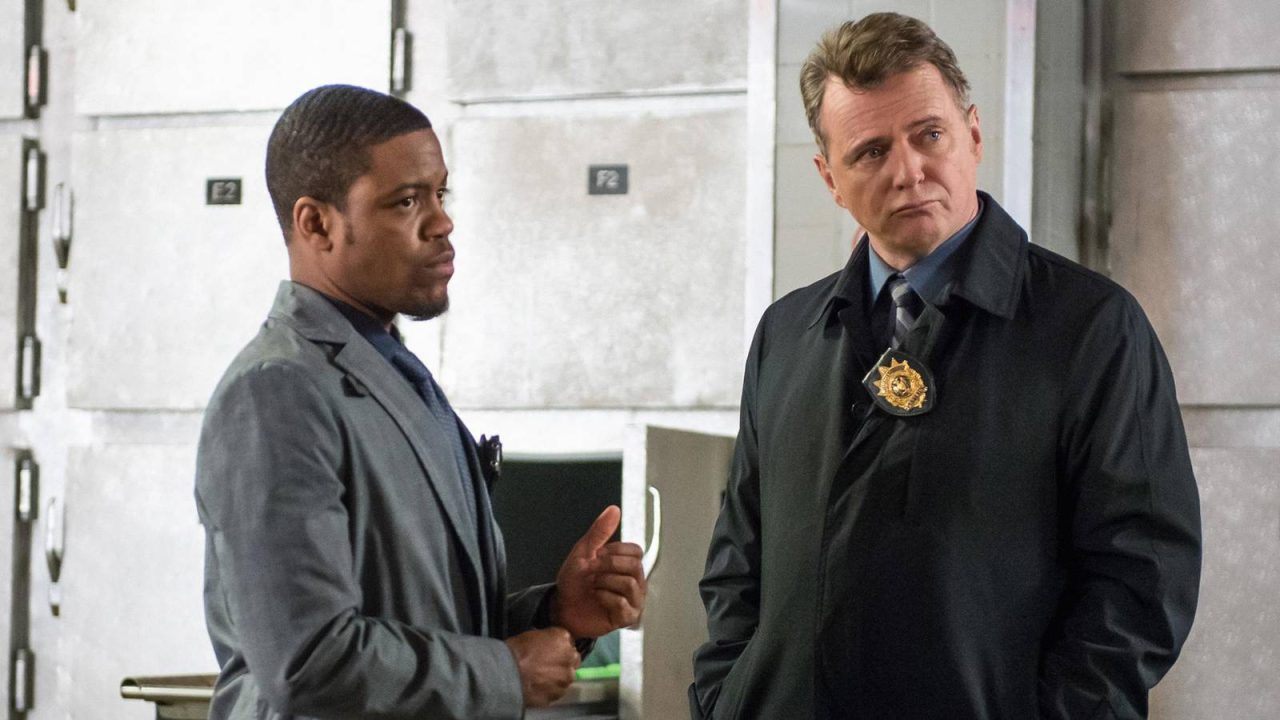
What are the odds that two separate television networks, on two different continents, would independently decide to reimagine the same 19th-century literary detective as a modern-day crime solver — and then release their shows within roughly a year of each other? That is exactly what happened in the early 2010s, when the BBC’s Sherlock and CBS’s Elementary arrived to stake their competing claims on Arthur Conan Doyle’s most famous creation.
The timing created one of the more unusual moments in recent television history. Two prestige detective series, both centered on a brilliant, socially abrasive Sherlock Holmes navigating contemporary life with the help of a Watson companion, landed on screens almost simultaneously. Viewers and critics noticed. So did the people making the shows.
Decades from now, it will likely be remembered as a fascinating case study in how the same source material can produce genuinely different results — and how two shows can occupy the same conceptual space without one simply being a copy of the other.
How Two Identical Concepts Ended Up on Television at the Same Time
The BBC’s Sherlock, created by Steven Moffat and Mark Gatiss, premiered in July 2010. It starred Benedict Cumberbatch as a razor-sharp Holmes operating out of modern London, with Martin Freeman as a war-veteran Dr. Watson. The show was a critical sensation almost immediately, winning awards and building a devoted global fanbase practically overnight.
CBS’s Elementary followed in September 2012. It featured Jonny Lee Miller as Holmes, relocated to New York City, with a significant creative twist: Watson was reimagined as a woman, played by Lucy Liu. Where Sherlock leaned into cinematic, feature-length episodes, Elementary operated as a traditional American procedural — weekly episodes, ongoing case-of-the-week storytelling, a larger supporting cast.
The overlap was hard to ignore. Both shows featured a modern Holmes. Both leaned on the genius-with-personal-demons characterization. Both updated Victorian trappings into contemporary settings. The question of whether one had borrowed from the other surfaced quickly in entertainment media.
What Made Each Show Genuinely Different
Despite the surface similarities, the two series made distinctly different creative choices that shaped their identities over time.
| Feature | Sherlock (BBC) | Elementary (CBS) |
|---|---|---|
| Premiere Year | 2010 | 2012 |
| Network | BBC One (UK) | CBS (US) |
| Holmes Actor | Benedict Cumberbatch | Jonny Lee Miller |
| Watson | Martin Freeman (male) | Lucy Liu (female) |
| Setting | London | New York City |
| Episode Format | Feature-length, limited run | Standard procedural, full seasons |
| Total Run | 4 series (2010–2017) | 7 seasons (2012–2019) |
Sherlock treated each episode almost like a small film — its series ran short, rarely more than three or four episodes per season, but each installment was polished and cinematic. Elementary took the opposite approach, committing to the rhythms of American network television with full 20-plus episode seasons and a procedural structure that rewarded casual viewing.
The gender-swap of Watson was arguably Elementary‘s boldest departure. Lucy Liu’s Joan Watson brought a different dynamic to the Holmes-Watson relationship entirely, and the show leaned into that partnership as its emotional core across seven seasons.
The Rivalry That Wasn’t Quite a Rivalry
When CBS announced Elementary, there were public reports that the BBC and the producers of Sherlock were unhappy about the concept. The concern, as it was widely reported at the time, was that the American series was too close in concept to what the BBC had already put on air.
CBS had actually approached the Sherlock team about producing an American adaptation of their version before moving forward independently. When those conversations did not lead anywhere, CBS developed Elementary as its own separate project. The creative teams behind both shows have addressed the tension over the years, though the relationship between the two productions was never openly hostile in any sustained way.
What is notable is that both shows found their audiences and coexisted throughout the 2010s. Sherlock ran through 2017 across four series. Elementary continued all the way to 2019, completing seven full seasons — a remarkable run for any network drama.
Why This Moment in Television History Still Matters
The near-simultaneous arrival of Sherlock and Elementary is a useful reminder of how the entertainment industry operates. When a concept proves viable — and a modernized Sherlock Holmes clearly was — it tends to attract parallel development from multiple directions at once. The same dynamic has played out repeatedly in film history, with competing studios releasing similar movies in the same release window.
What makes the Holmes case interesting is how thoroughly each show established its own identity despite starting from the same premise. Fans of Sherlock and fans of Elementary were often distinct communities with genuine loyalty to their preferred version. The shows did not cancel each other out — they fed different appetites.
Both series also helped cement Benedict Cumberbatch and Jonny Lee Miller as major television stars, launching careers that extended well beyond either show. And both demonstrated that Arthur Conan Doyle’s creation, more than a century after his first appearance, still has the cultural flexibility to be reinvented for new audiences in new forms.
The early 2010s were, in that sense, a genuinely good time to be a Sherlock Holmes fan — even if you had to pick a side.
Frequently Asked Questions
When did Sherlock first air?
The BBC’s Sherlock premiered in July 2010, starring Benedict Cumberbatch as Holmes and Martin Freeman as Watson.
When did Elementary debut, and how was Watson different?
Elementary premiered on CBS in September 2012 and reimagined Watson as a woman, played by Lucy Liu, set in New York City.
Did the creators of Sherlock object to Elementary being made?
There were widely reported tensions when CBS announced Elementary, with the Sherlock team said to be unhappy about the similar concept. CBS had previously approached the Sherlock producers about an American adaptation before developing its own separate series.
How long did each show run?
Sherlock ran for four series between 2010 and 2017, while Elementary completed seven full seasons from 2012 to 2019.
What was the biggest creative difference between the two shows?
Beyond the Watson gender-swap, the format differed significantly — Sherlock used feature-length episodes in short runs, while Elementary followed a traditional American procedural structure with full-length seasons.
Are either of the shows connected to each other?
No. Both are independent adaptations of Arthur Conan Doyle’s original Sherlock Holmes stories, developed separately by the BBC and CBS respectively.

Leave a Reply