
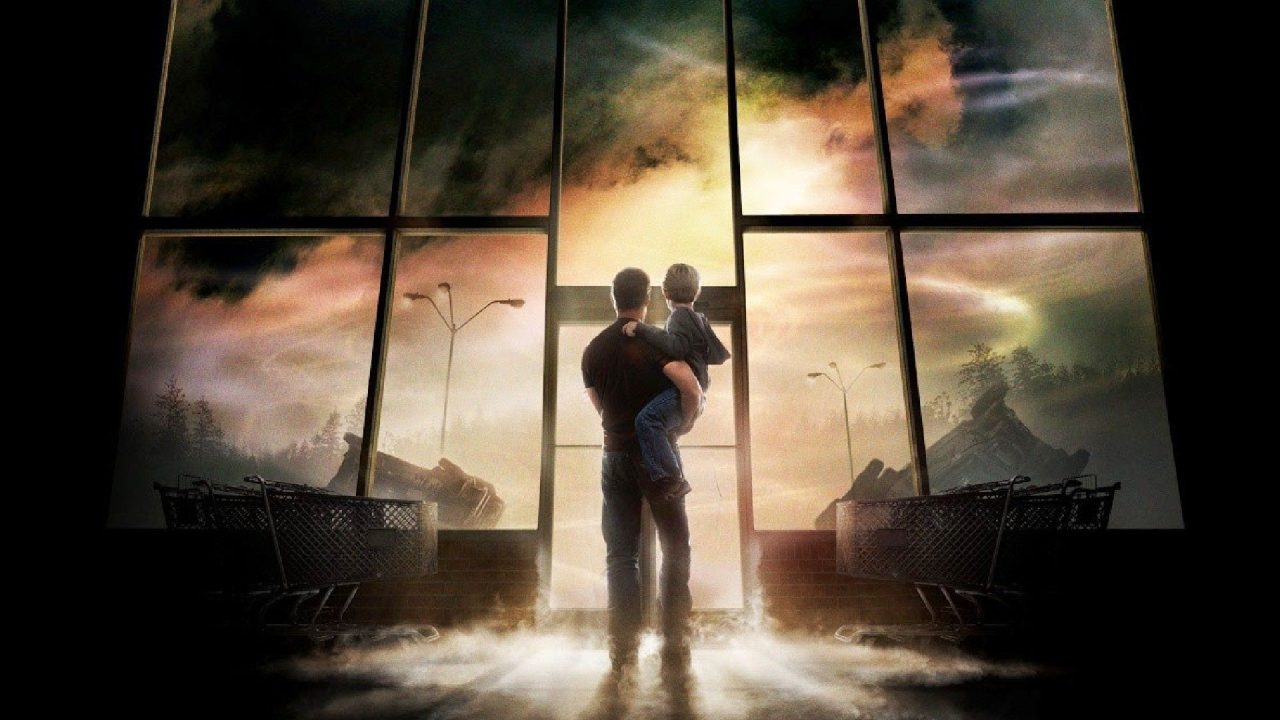
Two of horror’s most celebrated literary traditions are about to collide on screen — and for fans of the genre, the timing couldn’t be more interesting. A new Lovecraft-inspired film is shaping up as a compelling counterpart to director Mike Flanagan’s upcoming adaptation of Stephen King’s The Mist, setting the stage for what could be a fascinating moment in horror cinema.
H.P. Lovecraft and Stephen King occupy different but deeply connected corners of the horror world. King has long acknowledged Lovecraft’s influence on his own work, and both authors share a fascination with dread, the unknown, and the fragility of the human mind when confronted with forces beyond comprehension. Seeing their legacies play out on screen simultaneously is the kind of thing genre enthusiasts tend to get genuinely excited about.
Mike Flanagan’s The Mist and What It Means for Horror Right Now
Mike Flanagan has built one of the most consistent track records in modern horror. His work on Netflix series like The Haunting of Hill House, Midnight Mass, and The Fall of the House of Usher demonstrated that horror could be emotionally intelligent, visually ambitious, and genuinely terrifying all at once. His move toward Stephen King’s catalog feels like a natural progression.
The Mist is one of King’s most psychologically rich novellas — a story about a group of people trapped in a supermarket as a mysterious mist rolls in, bringing with it creatures that defy explanation. The 2007 Frank Darabont film adaptation is still widely regarded as one of the better King translations, particularly for its brutal ending. Flanagan taking on the same material raises immediate questions about what new angle he brings and whether he can match or surpass what came before.
What Flanagan does exceptionally well is character interiority — the way fear erodes people from the inside out. That sensibility fits The Mist perfectly, since King’s story is ultimately less about the monsters and more about what ordinary people do to each other when hope disappears.
The Lovecraft Film Entering the Picture
On the other side of this equation is an upcoming Lovecraft-inspired film, Dredge, which is positioned as a direct thematic rival to Flanagan’s King adaptation. The connection between the two projects is more than coincidental — both draw from a shared lineage of cosmic horror, the idea that the universe is vast, indifferent, and full of things humanity was never meant to encounter.
Lovecraft’s influence on horror is enormous and complicated. His work introduced the concept of cosmic dread to mainstream fiction — the notion that the scariest thing isn’t a monster you can fight, but the realization that you are utterly insignificant in the face of what exists beyond human understanding. That philosophical underpinning has shaped decades of horror storytelling, including King’s own work.
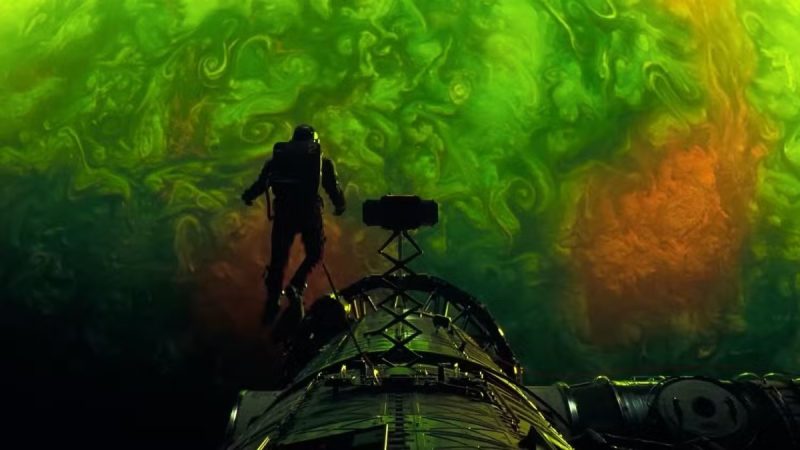
Dredge, based on the acclaimed video game of the same name, leans directly into that Lovecraftian tradition. The game earned strong praise for its atmosphere of creeping unease — a fishing game on the surface, a descent into maritime cosmic horror underneath. Adapting that to film carries both opportunity and risk.
Why These Two Projects Make Natural Rivals
The framing of these two films as rivals isn’t about competition in a negative sense — it’s about the way they represent two distinct but related approaches to the same fundamental question horror has always asked: what are we most afraid of?
- King’s approach tends to ground horror in recognizable human experience — community, family, grief, guilt. The monsters are real, but the real horror is always human.
- Lovecraft’s approach removes the human from the center entirely. The horror isn’t personal — it’s cosmic and indifferent, which in some ways makes it even more unsettling.
- Flanagan’s filmmaking style emphasizes emotional weight and character depth, which aligns naturally with King’s humanist horror.
- Dredge as a property embraces the cold, atmospheric dread that defines Lovecraftian fiction — isolation, the sea, things lurking beneath the surface.
Placed side by side, these two projects offer horror audiences a genuine choice in tone and philosophy. That’s a rare and welcome thing.
What Each Project Brings to the Screen
| Project | Source Material | Horror Tradition | Key Tone |
|---|---|---|---|
| Mike Flanagan’s The Mist | Stephen King novella | Humanist horror | Psychological, character-driven dread |
| Dredge (film adaptation) | Lovecraftian video game | Cosmic horror | Atmospheric, existential unease |
Why Horror Fans Should Be Paying Attention
The broader context here matters. Horror has spent the last decade fighting for — and largely earning — serious cultural credibility. Films like Hereditary, Midsommar, and Get Out pushed the genre into awards conversations. Streaming gave horror auteurs like Flanagan a platform to tell longer, more complex stories. The genre is in genuinely good shape.
Having both King and Lovecraft represented in high-profile adaptations at roughly the same time is a signal of where horror’s cultural stock currently sits. These aren’t cheap cash-ins — they’re projects built around the literary and philosophical weight of their source material.
For audiences, that means horror is offering something more than jump scares and gore. It’s offering competing worldviews about what fear actually means and where it comes from. That’s a conversation worth having, and the screen is a perfectly good place to have it.
Frequently Asked Questions
What is Mike Flanagan’s connection to Stephen King’s The Mist?
Mike Flanagan, known for acclaimed horror projects like The Haunting of Hill House and Midnight Mass, is attached to a new adaptation of King’s novella The Mist.
What is the Dredge film based on?
Dredge is based on the well-regarded video game of the same name, which blends fishing simulation gameplay with Lovecraftian cosmic horror themes.
How are King and Lovecraft connected as authors?
Stephen King has long cited H.P. Lovecraft as a major influence, and both authors share a deep interest in dread, the unknown, and the psychological limits of the human mind.
Has a previous film adaptation of The Mist been made?
Yes — director Frank Darabont adapted King’s novella in 2007, and that film remains widely respected in the genre, particularly for its famously dark ending.
What makes Lovecraftian horror different from Stephen King’s style?
Lovecraftian horror centers on cosmic indifference — the idea that humanity is insignificant against vast, unknowable forces — while King typically grounds his horror in deeply personal human emotions and relationships.
Are release dates confirmed for either project?
Specific release dates for both projects have not yet been confirmed based on currently available information.



Leave a Reply