
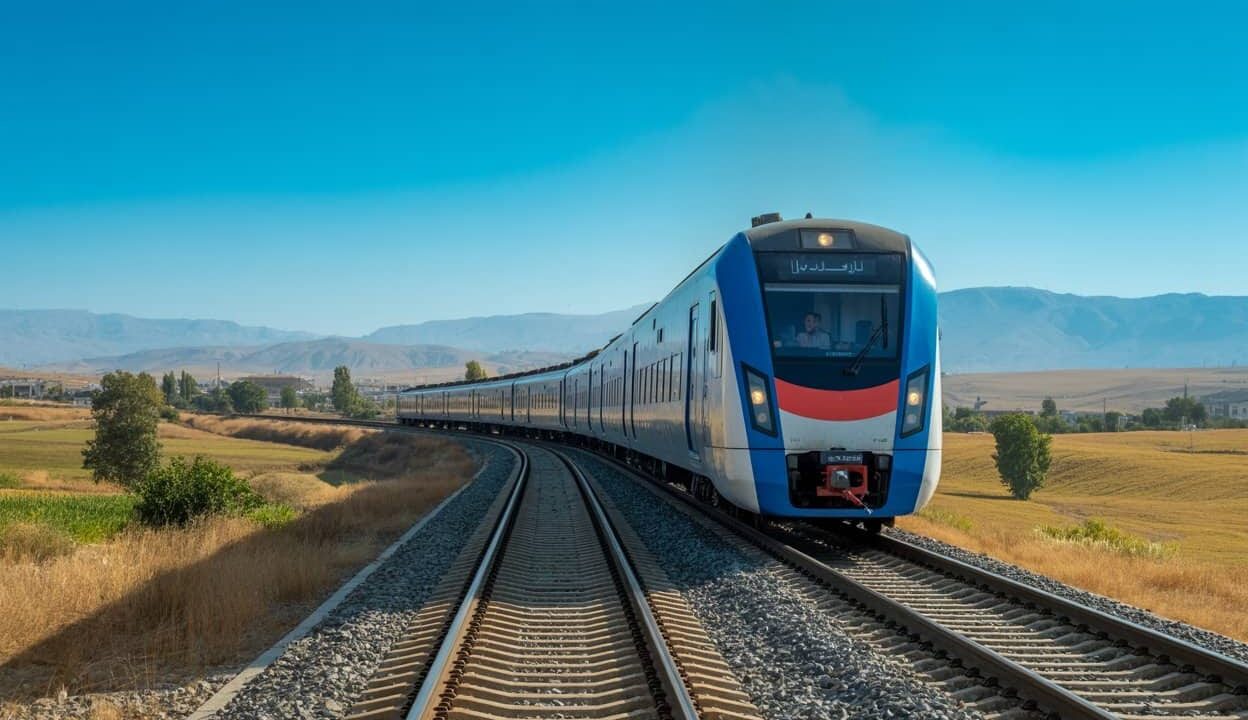
Iran’s rail network has been restored on two of its most strategically important corridors — the routes connecting Tehran with Tabriz in the northwest and Mashhad in the northeast — after several days of disruption caused by damage to the lines. For the millions of passengers and freight operators who depend on these connections, the resumption of normal train services marks the end of what authorities described as a significant transport crisis.
The repairs, completed earlier this month, came amid what officials acknowledged were volatile conditions affecting the country’s transport infrastructure. The restored links are not peripheral routes — they are the backbone of Iran’s national rail system, threading together the capital with two of the country’s largest and most economically active cities.
For travellers and businesses that had been left scrambling for alternatives during the outage, the news that trains are running again carries real weight. These are not just commuter lines. They are economic lifelines.
Why These Two Rail Routes Matter So Much to Iran
The Tehran–Tabriz and Tehran–Mashhad corridors are among the most travelled rail routes in the country. Tabriz, the capital of East Azerbaijan Province, is Iran’s fourth-largest city and a major industrial and commercial hub with close trading ties to Turkey and the Caucasus region. The rail connection to Tehran is essential not only for passengers but for freight moving between the northwest and the rest of the country.
Mashhad, Iran’s second-largest city and one of the most visited pilgrimage destinations in the world, sits at the opposite end of the country in the northeast. The Tehran–Mashhad route is one of the busiest rail corridors in the Middle East, carrying enormous volumes of religious pilgrims, domestic tourists, and commercial cargo throughout the year.
When both routes went down simultaneously, the knock-on effects were immediate. Passengers were stranded or forced onto road alternatives. Freight operators faced delays. Businesses reliant on the supply chain connecting these cities had to absorb disruptions at short notice.
What Happened and How the Lines Were Restored
Authorities confirmed that the damage occurred earlier this month, with repairs completed in time for services to resume. The disruption was described as part of ongoing volatile conditions affecting Iran’s transport infrastructure — language that suggests the damage was not routine wear and tear but something more acute, though specific details about the cause have not been fully confirmed in available information.
What is clear is that the restoration was treated as a priority. Both routes serve populations and economic zones that cannot afford extended outages, and the speed of the repair effort reflects how critical these corridors are to national connectivity.
| Route | Key Cities Connected | Primary Significance | Service Status |
|---|---|---|---|
| Tehran – Tabriz | Tehran, Tabriz (East Azerbaijan) | Industrial freight, northwest trade corridor | Restored |
| Tehran – Mashhad | Tehran, Mashhad (Khorasan Razavi) | Pilgrimage travel, northeast passenger and freight | Restored |
The Real-World Impact on Passengers and Freight
When major rail routes go dark, the effects ripple outward faster than most people expect. Passengers with pre-booked tickets face the immediate problem of finding alternatives — road travel on these distances is significantly longer and, in many cases, more expensive. Vulnerable travellers, including elderly passengers and those making pilgrimage journeys to Mashhad, are disproportionately affected by sudden service suspensions.

On the freight side, the consequences are just as serious. Iran’s rail network plays a central role in moving goods between its major population centres, and any prolonged disruption on the Tehran–Tabriz or Tehran–Mashhad corridors puts pressure on road haulage networks that are already heavily utilised. Delays in freight movement translate directly into supply chain disruptions for businesses and, in some cases, shortages of goods in affected regions.
The restoration of services means that passengers can once again book and travel on these routes with confidence, and that freight operators can return to normal scheduling. Officials have confirmed that normal train services have resumed across both corridors.
- Passenger travel restored — travellers on both the Tehran–Tabriz and Tehran–Mashhad routes can resume normal bookings
- Freight operations normalised — commercial cargo movement between the capital and key economic hubs is back on schedule
- Pilgrimage access reopened — the Mashhad route, heavily used by religious travellers, is fully operational again
- Northwest trade corridor reconnected — the Tabriz link, vital for trade toward Turkey and the Caucasus, is functioning
What Happens Next for Iran’s Rail Network
The immediate crisis has passed, but the episode raises broader questions about the resilience of Iran’s rail infrastructure. Officials have signalled awareness of the volatile conditions that contributed to the damage, and the speed of the repair response suggests that maintaining these corridors is treated as a national priority.
For passengers and freight operators, the practical next step is straightforward — services are running, and normal scheduling has resumed. Travellers who had disrupted journeys during the outage period should verify their bookings directly with rail operators to confirm any rescheduled services.
Longer term, the incident serves as a reminder that infrastructure resilience on high-traffic routes requires ongoing investment and monitoring. With both the Tabriz and Mashhad corridors carrying millions of passengers and significant freight volumes each year, any future disruption would again have immediate and widespread consequences across Iran’s economy and daily life.
For now, the trains are running. That is the most important update for anyone who relies on these routes — and the number of people who do is considerable.
Frequently Asked Questions
Which rail routes were affected by the disruption in Iran?
The two routes affected were the Tehran–Tabriz corridor in the northwest and the Tehran–Mashhad corridor in the northeast, both of which are among Iran’s most heavily used rail lines.
Have normal train services resumed on these routes?
Yes. Authorities have confirmed that repairs have been completed and normal train services have resumed on both the Tehran–Tabriz and Tehran–Mashhad routes.
What caused the damage to the rail lines?
Specific details about the cause have not been fully confirmed in available information. Authorities described it as part of ongoing volatile conditions affecting Iran’s transport infrastructure.
How long were the rail services suspended?
Services were disrupted for several days before repairs were completed and normal operations resumed earlier this month.
Why are the Tehran–Tabriz and Tehran–Mashhad routes considered so important?
Both routes connect the capital to two of Iran’s largest cities — Tabriz is a major industrial and trade hub near the Turkish border, while Mashhad is the country’s second-largest city and a major pilgrimage destination, making both corridors critical for passengers and freight alike.
Should travellers with existing bookings take any action?
Services have been confirmed as restored, but passengers who had journeys disrupted during the outage period are advised to verify their bookings directly with rail operators to confirm any rescheduled arrangements.




Leave a Reply