
Japan’s land prices have risen for the fifth consecutive year — and for travellers planning a trip to the country, that streak tells a story worth paying attention to. Rising property values across Japan’s cities, ski resorts, and cultural destinations signal something meaningful: the country’s tourism infrastructure is expanding, hospitality services are improving, and the most sought-after destinations are investing heavily in the experiences they offer visitors.
Whether you’re drawn to the electric energy of Tokyo, the powder slopes of a mountain resort, or the quiet elegance of a historic cultural city, the economic momentum behind Japan’s real estate market is reshaping what travellers can expect on the ground.
Understanding where land values are climbing — and why — can actually help you plan a smarter, richer trip. Here’s what the 2026 data reveals about Japan’s most compelling destinations right now.
What Five Years of Rising Land Prices Actually Mean for Japan Travel
When land prices rise consistently over multiple years, it’s rarely a coincidence. In Japan’s case, the fifth consecutive year of growth in both residential and commercial land values reflects a nationwide economic recovery that has been quietly reshaping the country’s major urban centres and leisure destinations.
For tourists, the practical takeaway is straightforward: areas where land values are climbing tend to attract investment. That investment flows into hotels, restaurants, transport links, and the kind of polished visitor infrastructure that makes travel feel seamless rather than stressful.
Rising commercial land values in particular tend to precede new hospitality developments — upscale accommodation, refined dining, and improved public spaces. If you’ve been watching Japan from a distance and wondering whether now is the right time to visit, the economic signals suggest the country’s top destinations are in strong form.
Japan’s Urban Powerhouses: Tokyo, Osaka, and Nagoya
Japan’s three major metropolitan areas — Tokyo, Osaka, and Nagoya — remain the anchors of the country’s tourism economy, and rising land prices in these cities reflect their continued dominance as global travel destinations.
Tokyo, the world’s most populous metropolitan area, continues to draw visitors with an almost overwhelming range of experiences: world-class museums, Michelin-starred dining at every price point, cutting-edge fashion districts, and ancient temples sitting quietly between modern towers. Rising property values here point to sustained demand for premium urban experiences.
Osaka has long been Japan’s culinary capital, and its reputation for street food, vibrant nightlife, and warm local culture keeps visitor numbers strong. Nagoya, often overlooked by first-time visitors, offers a compelling mix of history, castle culture, and a food scene all its own — and rising land values suggest the city is growing in recognition among international travellers.
Ski Resorts and Luxury Mountain Destinations on the Rise
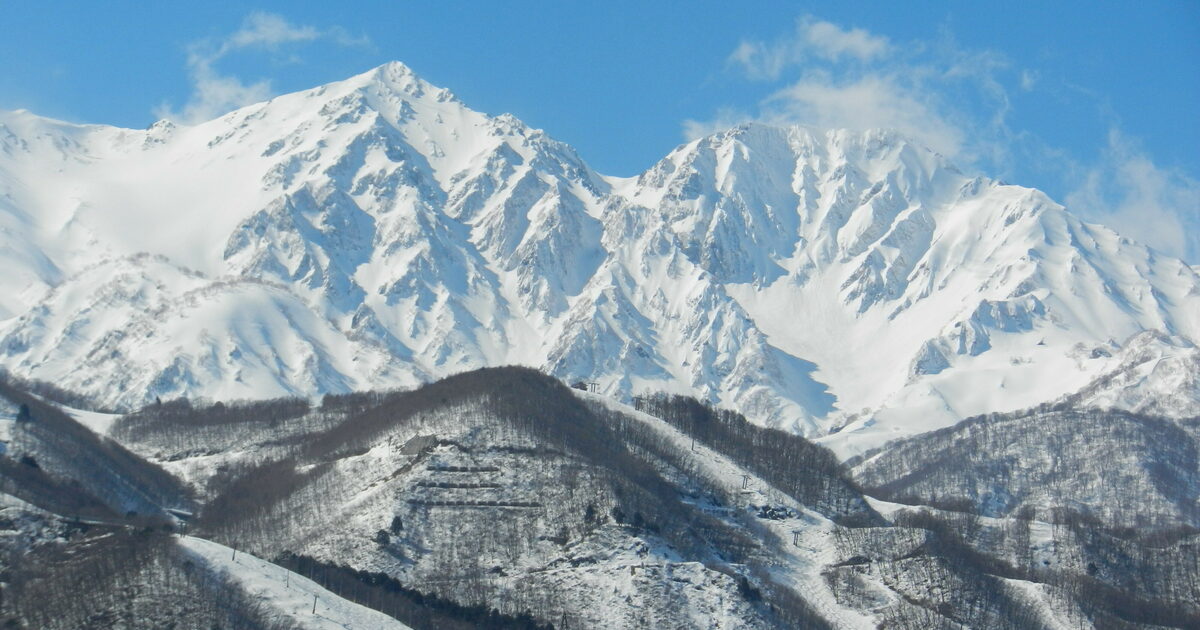
Beyond the cities, some of the most striking land price increases in Japan have been recorded at ski resorts and mountain holiday destinations. This reflects a surge in international interest in Japan’s legendary powder snow — particularly from Australian, North American, and European skiers who have made Japanese resorts a firm fixture on the global ski circuit.
Rising land values at resort destinations signal growing investment in accommodation, lift infrastructure, and the kind of luxury amenities that high-spending visitors expect. For travellers considering a ski holiday in Japan, areas with climbing land prices are likely to offer the most developed and well-resourced resort experiences.
The combination of world-class skiing and deeply immersive Japanese cultural experiences — traditional ryokan stays, onsen hot springs, kaiseki dining — makes Japan’s mountain resorts a genuinely distinct proposition compared to European or North American alternatives.
Where Rising Land Values Point Travellers Right Now
The 2026 land price data highlights several categories of destination that are seeing the strongest growth and, by extension, the most active tourism development:
- Major urban centres — Tokyo, Osaka, and Nagoya, where commercial land growth reflects expanding hospitality and retail investment
- Ski and mountain resorts — areas attracting international winter sports visitors and luxury travellers seeking powder snow and cultural immersion
- Cultural and heritage destinations — cities and regions where historic character is drawing travellers seeking authentic Japanese experiences
- Holiday and leisure destinations — coastal and countryside areas where rising residential values point to growing demand for short-stay and vacation tourism
| Destination Type | Key Appeal for Travellers | What Rising Land Prices Signal |
|---|---|---|
| Major Urban Centres (Tokyo, Osaka, Nagoya) | Dining, culture, shopping, nightlife | Expanding hospitality and retail infrastructure |
| Ski and Mountain Resorts | Powder snow, luxury stays, onsen | Growing investment in resort amenities and accommodation |
| Cultural and Heritage Cities | Temples, history, traditional arts | Increased demand for authentic cultural tourism |
| Holiday and Leisure Destinations | Coastal scenery, countryside, relaxation | Rising short-stay and vacation tourism activity |
What This Means for Your Travel Planning
Rising land prices in a tourism destination are a double-edged signal. On one hand, they reflect genuine growth in quality and infrastructure — better hotels, more refined dining, improved transport. On the other, they can eventually push accommodation costs upward as operators respond to higher property values.
For travellers, the smart move is to treat this moment as an opportunity. Japan’s top destinations are investing in the visitor experience at a pace that hasn’t been seen for years. The infrastructure improvements and hospitality upgrades flowing from this investment are already visible — and they’re likely to keep improving.
If ski adventures are on your agenda, the mountain resorts benefiting from rising land investment are worth prioritising. If luxury urban travel is more your style, Tokyo and Osaka are both in an expansive phase that favours visitors seeking premium experiences. And for those drawn to Japan’s cultural heartlands, the growth signals suggest heritage destinations are receiving the investment needed to welcome more international visitors without losing what makes them special.
Frequently Asked Questions
Why have Japan’s land prices been rising for five consecutive years?
The sustained increase reflects a robust nationwide economic recovery, growing demand from both domestic and international sources, and rising investment in urban, resort, and cultural destinations across the country.
Which cities are highlighted as top urban destinations for travellers in 2026?
Tokyo, Osaka, and Nagoya are identified as Japan’s three major metropolitan powerhouses, each offering distinct experiences for international visitors.
Do rising land prices mean travel to Japan will become more expensive?
Rising land values can eventually push accommodation costs higher, but they also signal improved infrastructure and hospitality services — meaning visitors are likely to get a richer experience overall.
Are Japan’s ski resorts worth visiting for international travellers?
Yes — Japan’s mountain resorts are attracting strong international interest, particularly for their renowned powder snow combined with cultural experiences like ryokan stays and onsen hot springs.
What types of destinations are seeing the strongest growth in Japan right now?
The 2026 data points to major urban centres, ski and mountain resorts, cultural heritage cities, and holiday leisure destinations as the areas experiencing the most active growth and investment.
Is now a good time to plan a trip to Japan?
Based on the economic signals, Japan’s top destinations are in an active investment phase, suggesting that hospitality infrastructure and visitor experiences are improving across the board — making it a strong moment to visit.


Leave a Reply