
Japan is doubling down on one of its most pressing modern challenges: too many tourists, concentrated in too few places. The country’s government has announced a sweeping new strategy that aims to expand overtourism management from 47 regions in 2025 to 100 regions by 2030 — a target that signals just how seriously officials are taking the strain that mass tourism has placed on some of the country’s most beloved destinations.
Cities like Tokyo, Kyoto, and Osaka have long been the gravitational centers of Japan’s tourism boom. But that popularity has come at a cost. Neighborhoods are overcrowded, local infrastructure is strained, and residents in some areas have grown increasingly frustrated with the daily reality of living inside a tourist attraction. Japan’s new plan is designed to change that — not by turning visitors away, but by spreading them out and managing their impact more deliberately.
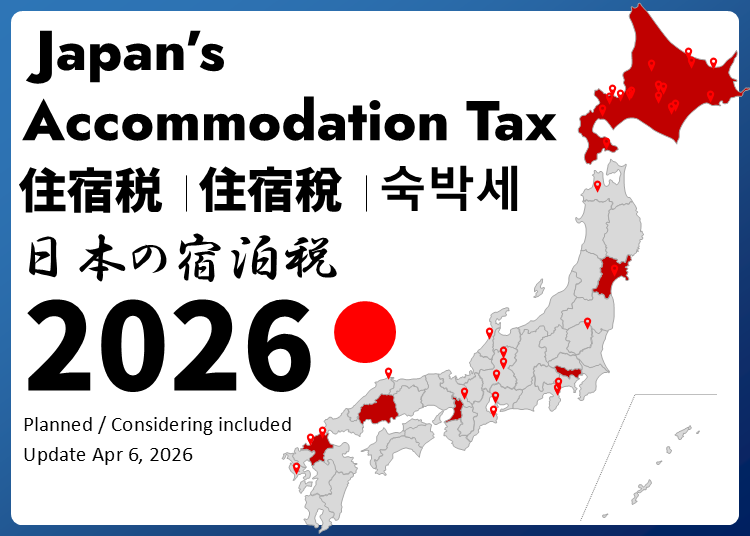
The strategy also signals a broader shift in how Japan thinks about tourism revenue. Rather than simply welcoming as many visitors as possible, the government is moving toward a model that prioritizes sustainable growth — using tools like local government coordination and an international tourist tax to fund the measures needed to keep destinations livable for the people who actually call them home.
(function(){var wrp=document.getElementById(“paap_stat_69c8b3b8e44346.22701193”);if(!wrp)return;var ids=[“paap_stat_69c8b3b8e44346.22701193_c0″,”paap_stat_69c8b3b8e44346.22701193_c1”];var dur=1800;function ease(t){return 1-Math.pow(1-t,3);}function anim(){ids.forEach(function(id){var el=document.getElementById(id);if(!el)return;var tgt=parseFloat(el.getAttribute(“data-target”))||0;var pfx=el.getAttribute(“data-prefix”)||””;var sfx=el.getAttribute(“data-suffix”)||””;var dec=parseInt(el.getAttribute(“data-decimals”))||0;var st=null;function step(ts){if(!st)st=ts;var p=Math.min((ts-st)/dur,1);var v=ease(p)*tgt;el.textContent=pfx+v.toFixed(dec)+sfx;if(p<1)requestAnimationFrame(step);}requestAnimationFrame(step);});}if("IntersectionObserver" in window){var obs=new IntersectionObserver(function(e){e.forEach(function(en){if(en.isIntersecting){anim();obs.disconnect();}});},{threshold:0.2});obs.observe(wrp);}else{anim();}})();
Why Japan’s Overtourism Problem Demands a National Response
Japan has been one of the world’s top travel destinations for years, and the numbers visiting its cities have consistently tested the limits of what urban infrastructure can absorb. The problem is not unique to one city — but it is especially acute in places like the Dotonbori district in Osaka, where the concentration of visitors in a small area creates daily congestion that affects both tourists and residents alike.
Overtourism isn’t just an inconvenience. It puts pressure on public transportation, degrades the experience of cultural and historic sites, and can erode the very qualities that made a destination worth visiting in the first place. When a neighborhood becomes defined by tourist foot traffic rather than the lives of the people who live there, something essential is lost.
Japan’s government has recognized that the current approach — managing the problem only in a limited number of designated areas — isn’t sufficient. Expanding the scope of overtourism management to 100 regions reflects an acknowledgment that the challenge is national in scale, not just local.
The Key Elements of Japan’s 2030 Overtourism Plan
The plan rests on several interconnected pillars. Here’s what the strategy involves:
- Expanding managed regions: Growing the number of areas with active overtourism management from 47 to 100 by 2030.
- Distributing tourist flow: Encouraging visitors to explore lesser-known destinations rather than concentrating in a handful of major cities.
- Empowering local governments: Giving regional authorities a more active role in designing and implementing tourism management measures suited to their specific conditions.
- Leveraging the international tourist tax: Using revenue collected from international visitors to fund the infrastructure and programs needed to manage tourism sustainably.
| Element | Current Status (2025) | Target (2030) |
|---|---|---|
| Regions with overtourism management | 47 | 100 |
| Cities with major overtourism pressure | Tokyo, Kyoto, Osaka | Expanded to additional regions nationwide |
| Funding mechanism | International tourist tax (existing) | Expanded use to support new management areas |
| Government coordination | Limited regional participation | Broader local government involvement |
What This Means for Travelers Planning a Trip to Japan
If you’re planning a visit to Japan — now or in the next few years — this policy shift is worth understanding. The direction of travel is clear: Japan wants tourists, but it wants them distributed more thoughtfully across the country.
For travelers, this could mean encountering new visitor management measures in places that previously had none. Entry limits, timed access systems, or adjusted pricing at popular sites are all tools that fall within the kind of management framework Japan is expanding. Areas like Dotonbori in Osaka, which have already faced significant crowding pressure, are likely to see more structured approaches to visitor flow.
There’s also a financial dimension. The international tourist tax already exists, and the new strategy explicitly identifies it as a funding source for expanded management efforts. Visitors should expect that tax to play a more prominent role in how Japan funds the infrastructure and programs needed to keep its destinations functioning well.
For those willing to venture beyond the famous trio of Tokyo, Kyoto, and Osaka, the policy actually creates an opportunity. As Japan actively works to redistribute tourist traffic, lesser-known regions may become more accessible, better resourced, and more rewarding to visit — precisely because they aren’t yet overwhelmed.
What Happens Between Now and 2030
The 2030 deadline gives Japan roughly five years to more than double its managed overtourism regions. That’s an ambitious timeline, and it will require sustained coordination between national and local governments, as well as consistent investment from the tourist tax revenue stream.
The immediate priority will likely be identifying which of the additional 53 regions to bring into the management framework first — presumably those facing the most acute pressure or those with the infrastructure already in place to implement new measures quickly.
For popular hotspots already in the system, the coming years may bring more refined and visible management tools. For regions not yet included, designation under the expanded program could mean new resources and attention that help them handle growing visitor numbers without the damage that has affected Japan’s most famous destinations.
Japan’s tourism industry remains a vital economic engine, and the government’s goal isn’t to shrink it — it’s to make it work better for everyone involved, residents and visitors alike.
Frequently Asked Questions
How many regions does Japan currently manage for overtourism?
As of 2025, Japan has 47 regions with active overtourism management measures in place.
What is Japan’s overtourism target for 2030?
Japan’s government aims to expand the number of managed regions from 47 to 100 by 2030.
Which cities are most affected by overtourism in Japan?
Tokyo, Kyoto, and Osaka are identified as the primary cities facing significant overtourism pressure, with areas like the Dotonbori district in Osaka specifically noted for overcrowding.
How will Japan fund its expanded overtourism management?
The strategy identifies the international tourist tax as a key funding mechanism for the expanded overtourism management measures across new regions.
Will this plan affect how tourists experience Japan?
Travelers may encounter new visitor management measures, including potential entry limits or structured access systems, as more regions adopt formal overtourism controls. This has not yet been confirmed in specific detail for individual sites.
Does this mean Japan is trying to reduce tourism overall?
No — the stated goal is sustainable growth, distributing tourists more evenly across the country rather than reducing the total number of visitors to Japan.




Leave a Reply