
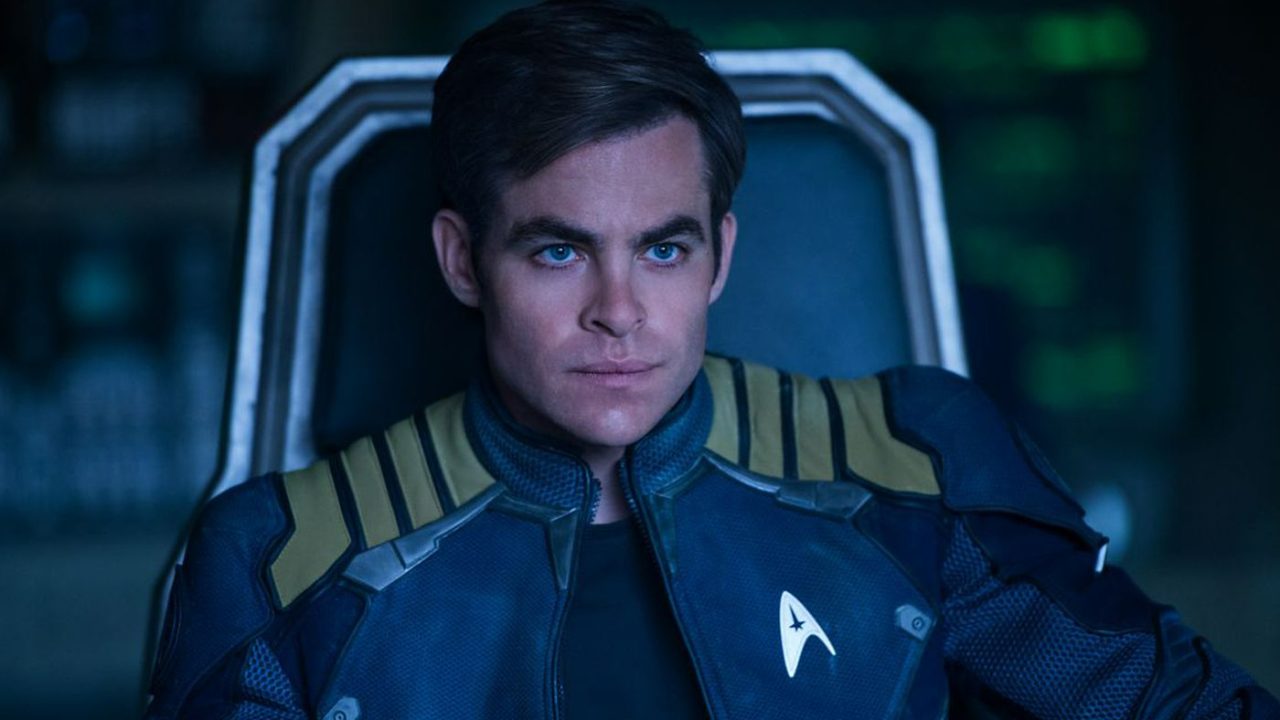
Few science fiction franchises have proven as durable — or as divisive — as Star Trek. It has survived cancellation, reinvention, and decades of shifting audience tastes to remain one of the most recognized names in all of popular culture. But when J.J. Abrams rebooted the series on the big screen starting in 2009, the reaction was anything but unanimous. Hardcore fans pushed back. Casual moviegoers embraced it. And the debate has never fully settled.
Now, more than a decade after the Kelvin Timeline trilogy wrapped up, those three films are getting a second look — and for sci-fi fans who missed them the first time around, or who dismissed them too quickly, the case for revisiting them is stronger than ever.
Star Trek is widely regarded as one of the greatest science fiction franchises ever created, and the J.J. Abrams reboot trilogy represents one of the boldest attempts to bring it to a new generation. Whether that attempt succeeded depends largely on what you want from Star Trek — and that tension is exactly what makes these films worth talking about.
What the Kelvin Timeline Reboot Actually Is
The J.J. Abrams Star Trek reboot consists of three films released across roughly a decade. The first, simply titled Star Trek, arrived in 2009. It was followed by Star Trek Into Darkness in 2013, and then Star Trek Beyond in 2016. Together, they form a self-contained trilogy set in an alternate timeline — the so-called Kelvin Timeline — that allowed the filmmakers to reimagine familiar characters without contradicting the established canon of the original series.
The cast brought in to fill those iconic roles included Chris Pine as James T. Kirk, Zachary Quinto as Spock, Karl Urban as Dr. McCoy, Zoe Saldana as Uhura, Simon Pegg as Scotty, John Cho as Sulu, and the late Anton Yelchin as Chekov. The ensemble drew considerable praise, with Urban’s McCoy in particular earning recognition as one of the most faithful character translations in the trilogy.
The timeline device was smart storytelling. By using a time-travel inciting incident to branch off from the original continuity, the writers gave themselves room to breathe — to tell new stories with old characters without being boxed in by 40-plus years of established lore.
Why These Films Still Hold Up for Sci-Fi Fans
The strongest argument for the Kelvin trilogy is accessibility. These are films designed to work whether you have watched every episode of the original series or have never seen a single frame of it. The 2009 film especially functions as a genuine entry point — an origin story that reintroduces the crew of the Enterprise with enough energy and charm to pull in viewers who would never describe themselves as Trekkies.
Abrams brought a kinetic, blockbuster sensibility to material that had traditionally been more cerebral and deliberate. That was the source of much of the criticism from longtime fans. But it was also what made these films land commercially and introduce the franchise to a younger audience.
Star Trek Beyond, directed by Justin Lin and co-written by Simon Pegg, is frequently cited as the trilogy’s most underrated chapter. Released in 2016 to mark the franchise’s 50th anniversary, it leaned closer to the spirit of the original television series — an episodic adventure with genuine heart — and earned warmer reviews than its predecessor.
A Quick Look at the Three Films Side by Side
| Film | Release Year | Director | Notable Detail |
|---|---|---|---|
| Star Trek | 2009 | J.J. Abrams | Launched the Kelvin Timeline reboot |
| Star Trek Into Darkness | 2013 | J.J. Abrams | Most controversial entry in the trilogy |
| Star Trek Beyond | 2016 | Justin Lin | Released for the franchise’s 50th anniversary |
Star Trek Into Darkness remains the most debated of the three. Its handling of a key villain — and the creative decision to echo one of the franchise’s most beloved storylines — drew sharp criticism from fans who felt it prioritized spectacle over substance. Even those who defend the film tend to acknowledge it as the trilogy’s weakest link.
The Case for Watching All Three Right Now
Here is the practical argument: streaming has made it easier than ever to sit with all three films across a weekend, and distance has a way of softening old grievances. Watching the Kelvin trilogy today, removed from the hype cycles and the heated online debates of their original releases, many viewers find them easier to appreciate on their own terms.
They are not trying to be the philosophical, dialogue-driven Star Trek of the television series. They are trying to be exciting, emotionally engaging science fiction blockbusters that happen to feature some of the most beloved characters in the genre’s history. Judged by that standard, they largely succeed.
- The 2009 film remains one of the most confident franchise relaunches in modern Hollywood history
- The cast chemistry, particularly between Pine and Quinto, gives the trilogy a genuine emotional core
- Karl Urban’s performance as McCoy is widely considered one of the finest character translations in the entire franchise
- Star Trek Beyond offers a more traditional Trek adventure that rewards patient viewers
- Anton Yelchin’s presence throughout the trilogy carries additional weight following his death in 2016
Where the Franchise Goes From Here
As of early 2026, the future of the Kelvin Timeline on the big screen remains uncertain. A fourth film has been discussed and rumored for years, with various creative teams attached and detached at different points. No confirmed production timeline has been publicly announced.
That uncertainty makes this a particularly good moment to revisit the existing trilogy. Whether or not these characters return to theaters, the three films that exist stand as a complete, self-contained chapter in Star Trek history — one that deserves a fairer hearing than it sometimes received on first release.
Star Trek as a franchise continues to expand on streaming, with multiple series keeping the universe alive for dedicated fans. But the Kelvin films occupy a unique space: big-screen, big-budget science fiction built around characters most audiences already have some relationship with. That combination is rarer than it looks.
Frequently Asked Questions
What are the three J.J. Abrams Star Trek reboot films?
The trilogy consists of Star Trek (2009), Star Trek Into Darkness (2013), and Star Trek Beyond (2016), all set in the alternate Kelvin Timeline.
Who directed Star Trek Beyond?
Justin Lin directed Star Trek Beyond, with the screenplay co-written by Simon Pegg, who also stars in the film as Scotty.
Do you need to know Star Trek to enjoy the reboot films?
No. The 2009 film in particular is designed as a standalone entry point and works well for viewers with no prior knowledge of the franchise.
Which film in the trilogy is considered the weakest?
Star Trek Into Darkness is generally regarded as the most divisive and frequently cited as the trilogy’s weakest entry, particularly among longtime fans.
Is a fourth Kelvin Timeline Star Trek film happening?
A fourth film has been discussed and rumored for years, but as of early 2026, no confirmed production timeline has been publicly announced.
Who played the main crew in the Kelvin Timeline films?
The core cast included Chris Pine as Kirk, Zachary Quinto as Spock, Karl Urban as McCoy, Zoe Saldana as Uhura, Simon Pegg as Scotty, John Cho as Sulu, and the late Anton Yelchin as Chekov.

Leave a Reply