
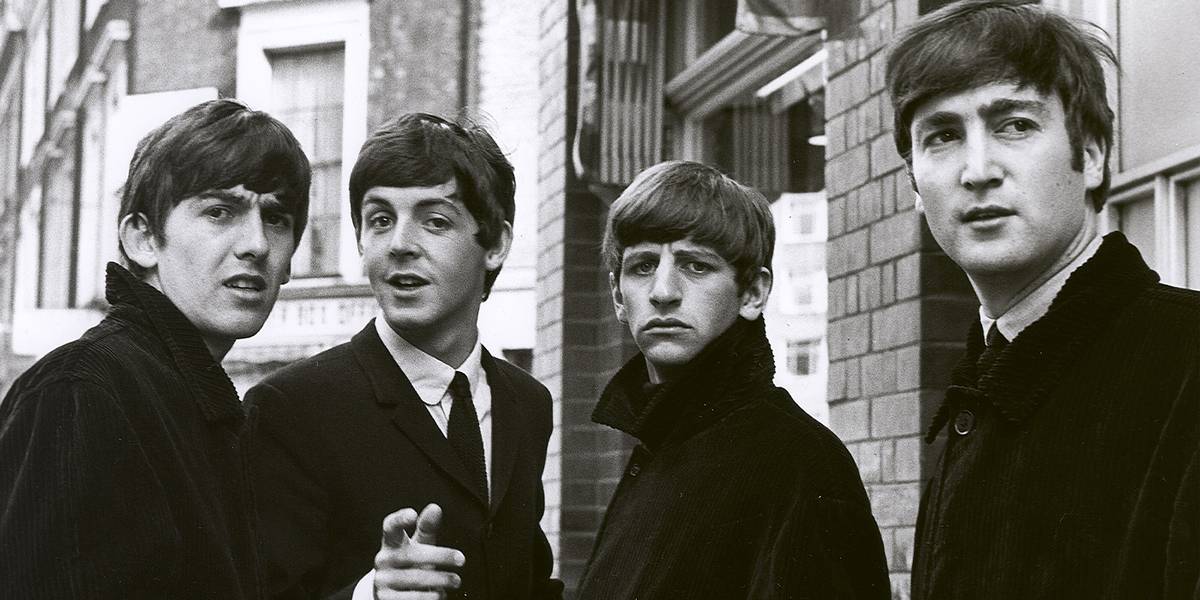
The Beatles may have broken up in 1970, but the fallout between its members didn’t end there. In fact, the months and years immediately following the split were marked by tension, legal battles, and at least one notable instance where a former bandmate refused to lend his support to another’s solo work.
That moment involved John Lennon and a 1970 solo album from Ringo Starr — a project that, despite being released during one of the most chaotic periods in rock history, managed to find its footing without the blessing of at least one of the Fab Four.
The story is a small but telling window into just how fractured things had become between the four men who had once defined a generation of music.
The Beatles Breakup Left More Than Just Musical Holes
When The Beatles officially dissolved in 1970, the split was anything but clean. The legal disputes were messy, the personal relationships were strained, and each member was navigating their own artistic identity for the first time in years — or, for some, the first time ever.
Paul McCartney filed a lawsuit to dissolve the band’s partnership. George Harrison was finally free to release the songs Apple Records had long kept on the shelf. John Lennon was channeling raw personal pain into what would become some of the most critically acclaimed solo work of the era. And Ringo Starr, often considered the most affable and least combative of the four, was quietly trying to carve out his own path.
It was against this backdrop that Ringo released his 1970 solo album Sentimental Journey — a collection of traditional pop standards that deliberately moved away from the rock sound he had been associated with for most of his career. The album was a nod to his own musical tastes and, notably, to his mother.
Why John Lennon Refused to Get Behind Ringo’s Solo Album
The tension surrounding the album stemmed from the broader atmosphere of distrust and division that defined the post-Beatles period. While Ringo managed to maintain relatively warm relationships with all four members even during the worst of the fallout, that didn’t mean every former bandmate was eager to actively promote or support each other’s work.
John Lennon, who was in the middle of his own intensely personal artistic reinvention, reportedly declined to offer support for Ringo’s Sentimental Journey. The reasons were rooted in the same complicated dynamics that made the entire post-Beatles era so fraught — a mix of legal entanglements, personal grievances, and the simple reality that four people who had been bound together professionally for over a decade were now trying to figure out who they were on their own terms.
It’s worth noting that this wasn’t necessarily a reflection of personal animosity toward Ringo specifically. Lennon’s refusal was more symptomatic of the broader breakdown in communication and goodwill that had settled over all four members during this period.
Ringo Starr’s Position Among the Beatles After the Split
What makes this moment particularly interesting is Ringo’s unique place within the group’s post-breakup dynamics. Historically, he was the one member who maintained the closest relationships with all three of the others, even when Lennon, McCartney, and Harrison were barely speaking to each other.
He played on solo albums by all three of his former bandmates at various points. He was, by most accounts, the peacemaker — or at least the least combative presence in a group known for big personalities and even bigger egos.
That even Ringo’s work could become entangled in the post-Beatles tensions says something significant about just how deep the fractures ran in 1970.
How the Former Beatles Eventually Reconciled
The good news, for anyone who found the breakup era genuinely painful, is that the story didn’t end in permanent estrangement. Over the years that followed, the former Beatles did patch things up to varying degrees. Relationships that had been poisoned by legal battles and competing visions for the band’s legacy gradually softened.
By the time the 1990s arrived, three of the four surviving members — McCartney, Harrison, and Starr — came together for the Anthology project, which included new recordings built around unreleased John Lennon demo material. It was as close to a reunion as the world was going to get.
Lennon, of course, was not alive to see it. He was killed in New York City in December 1980, leaving behind a legacy that continued to shape music and culture for decades after his death.
What This Moment Tells Us About the Post-Beatles Era
The refusal to support a bandmate’s album might seem like a minor footnote in the larger story of The Beatles’ breakup. But these small moments collectively paint a picture of just how personal and painful the dissolution of the world’s most famous band actually was.
It wasn’t just about contracts and royalties. It was about four individuals who had spent their most formative years in each other’s orbit, suddenly trying to exist independently — and not always managing it gracefully.
| Beatles Member | Notable 1970 Solo Work | General Post-Breakup Stance |
|---|---|---|
| John Lennon | John Lennon/Plastic Ono Band | Publicly critical of former bandmates at times |
| Paul McCartney | McCartney | Initiated legal action to dissolve the partnership |
| George Harrison | All Things Must Pass | Released long-shelved material; found creative freedom |
| Ringo Starr | Sentimental Journey | Maintained friendliest relationships with all members |
The post-Beatles era was messy, human, and often contradictory. Four people who had changed the world together couldn’t always manage to be kind to one another in private. That tension is part of what makes their story — even the uncomfortable parts — so enduringly compelling.
Frequently Asked Questions
What was Ringo Starr’s 1970 solo album?
Ringo Starr released Sentimental Journey in 1970, a collection of traditional pop standards that marked a deliberate departure from the rock sound associated with The Beatles.
Why did John Lennon refuse to support the album?
Lennon’s refusal was rooted in the broader tensions and fractured relationships that defined the post-Beatles breakup period, rather than specific personal animosity toward Ringo.
Did The Beatles ever reconcile after their breakup?
Yes, over time the relationships between the surviving members improved. McCartney, Harrison, and Starr reunited for the Anthology project in the 1990s, which incorporated unreleased Lennon recordings.
Was Ringo Starr close with all four Beatles after the split?
Ringo is generally regarded as the member who maintained the warmest relationships with all three of his former bandmates, even during the most difficult years of the post-breakup period.
When did John Lennon die?
John Lennon was killed in New York City in December 1980, meaning he did not live to see the partial reconciliation that took place among the surviving Beatles in later decades.
Did the other Beatles support each other’s solo work in 1970?



Leave a Reply