
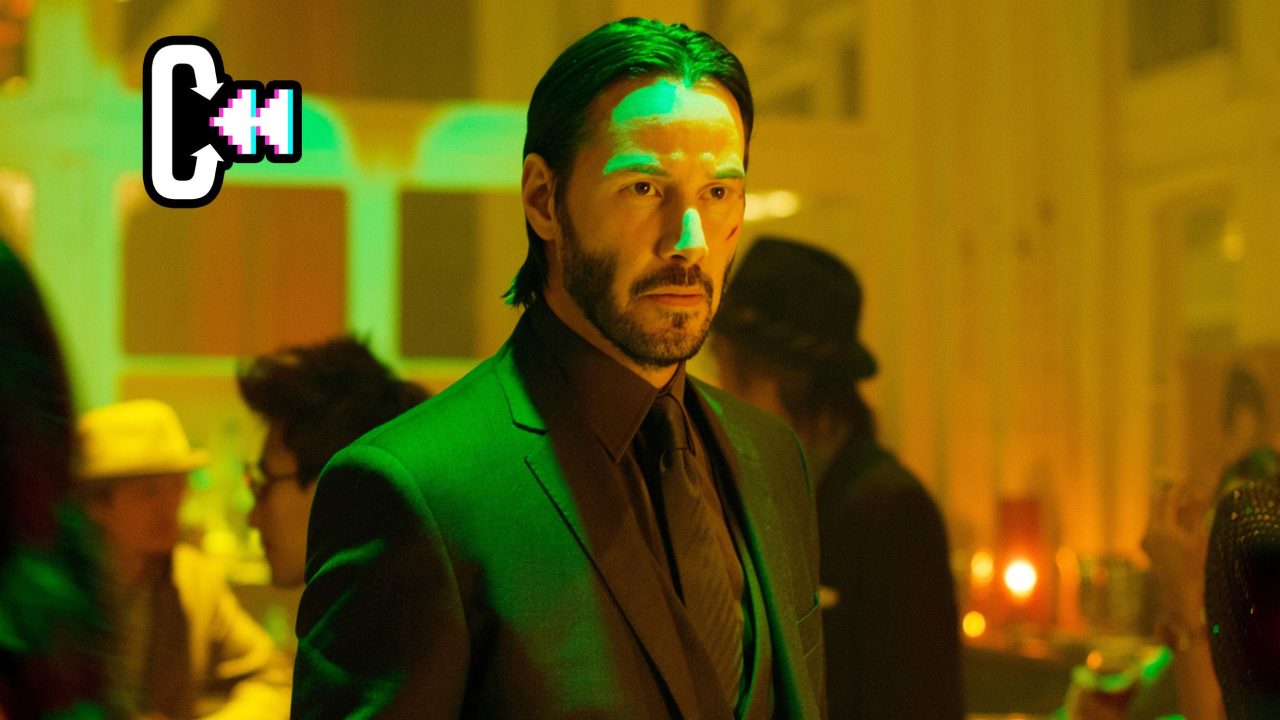
Before John Wick made Keanu Reeves the most feared man in cinema, the duo behind its legendary action choreography had already left their mark on one of the most celebrated graphic novel adaptations in film history. Nine years before that 2014 assassin thriller changed action movies forever, Chad Stahelski and David Leitch worked as stunt coordinators on V for Vendetta — the 2005 adaptation of Alan Moore and David Lloyd’s iconic dystopian comic.
It’s a connection that doesn’t get talked about nearly enough. Two filmmakers who would go on to redefine how Hollywood shoots fight scenes were quietly honing their craft on a film that was itself trying to do something bold and unconventional with a beloved source material.
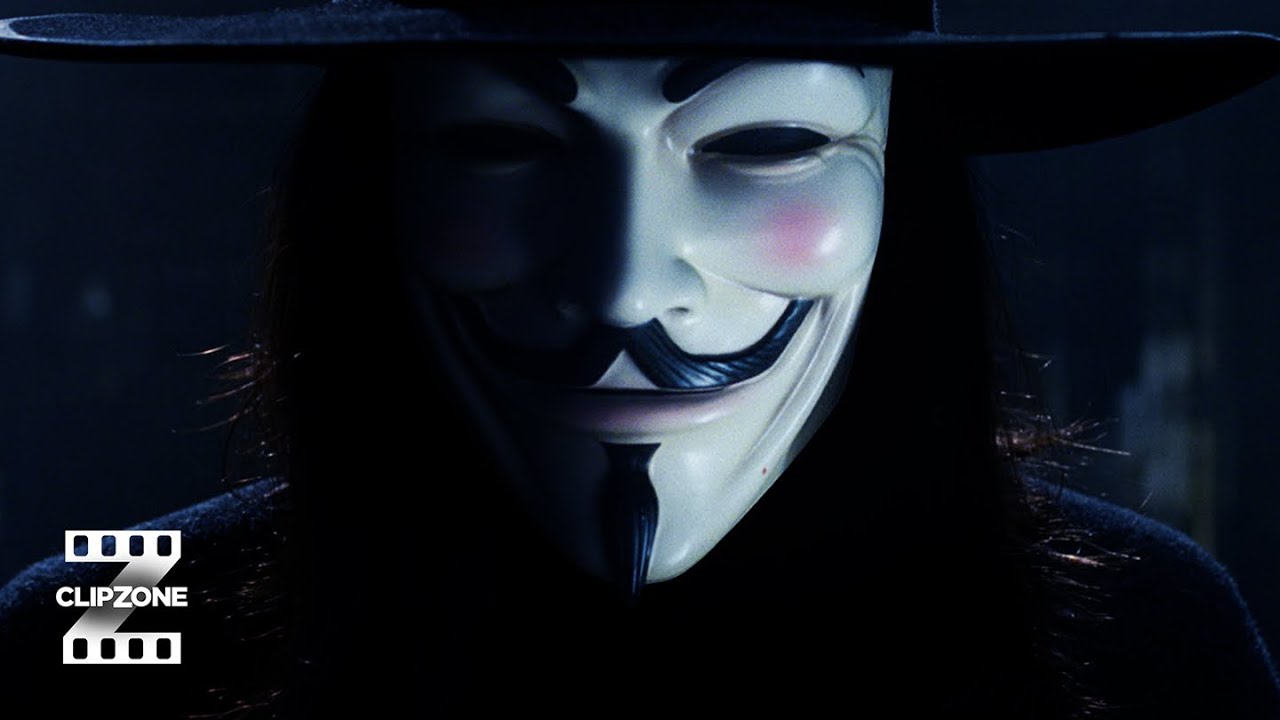
The through-line between those two projects says a lot about how great action filmmaking actually develops — not in a single breakthrough moment, but through years of careful, deliberate work behind the scenes.
How Chad Stahelski and David Leitch Built Their Careers Before John Wick
Stahelski and Leitch are household names now, at least among action movie fans. Stahelski directed all four John Wick films, while Leitch went on to direct Atomic Blonde, Deadpool 2, and Bullet Train. But their roots are in stunt work — a world where you spend years making other directors’ visions look spectacular before you ever get a chance to direct your own.
V for Vendetta was one of those formative projects. Released in 2005 and directed by James McTeigue, the film was produced by the Wachowskis and drew from Alan Moore and David Lloyd’s groundbreaking graphic novel series, which ran from 1982 to 1989. The story follows a masked anarchist known only as V, operating in a fascist future Britain, and the young woman he draws into his revolution.
It was exactly the kind of material that demanded physical precision and visual storytelling — the same qualities that would later define John Wick‘s approach to action.
Why V for Vendetta Still Matters as a Graphic Novel Adaptation
Moore and Lloyd’s source material is widely considered one of the greatest works in comics history. Published originally in the British anthology magazine Warrior before being completed through DC Comics, it’s a deeply political story — part thriller, part philosophical manifesto — set in a near-future England ruled by a totalitarian government.
Adapting it for the screen was never going to be simple. Moore himself famously distanced himself from the film, as he did with most adaptations of his work. But the 2005 movie found a substantial audience and is now regarded as one of the more thoughtful comic book films of its era, remembered for Hugo Weaving’s performance as V and Natalie Portman’s role as Evey Hammond.
What made the film work visually — the controlled, almost theatrical quality of its action — owed something to the stunt team working underneath the director. That’s where Stahelski and Leitch were operating.
The Stunt-to-Director Pipeline That Shaped Modern Action Cinema
The path from stunt coordinator to director is not common, but it has produced some of the most kinetically inventive filmmakers working today. Stahelski and Leitch are the clearest example of that pipeline producing genuine auteurs.
What they brought from their stunt backgrounds was a fundamental understanding of how the human body moves, how space and distance affect the feeling of violence on screen, and how choreography can be used to reveal character. In John Wick, every fight scene tells you something about who Wick is — his efficiency, his desperation, his grief. That kind of intentionality doesn’t happen by accident.
It’s built over years. Projects like V for Vendetta were part of that building process.
| Project | Year | Role of Stahelski/Leitch | Director |
|---|---|---|---|
| V for Vendetta | 2005 | Stunt Coordinators | James McTeigue |
| John Wick | 2014 | Directors | Stahelski & Leitch |
| Atomic Blonde | 2017 | Director (Leitch) | David Leitch |
| John Wick: Chapter 2 | 2017 | Director (Stahelski) | Chad Stahelski |
What Connects These Two Very Different Films
On the surface, V for Vendetta and John Wick don’t have much in common. One is a politically charged dystopian thriller rooted in British graphic novel tradition. The other is a sleek, stylized revenge story about a grieving assassin and his dog.
But look closer and the connective tissue is clear. Both films use action as a form of expression rather than just spectacle. Both treat their protagonists as figures whose physical presence carries symbolic weight — V’s cape and mask, Wick’s suit and pencil. And both demand a level of physical craft from their production teams that goes beyond what most action films require.
The fact that the same key creative minds worked on both is not a coincidence. It’s a career arc — one that shows how the best action filmmakers develop their sensibility over time, project by project, before they ever get the chance to put their name above the title.
Why This Connection Deserves More Attention
Film history tends to be written around directors and stars. The people doing the physical work — the stunt coordinators, the second unit teams, the choreographers — often go uncredited in the popular imagination, even when their contribution is what audiences actually remember.
Stahelski and Leitch are a rare case where those contributors eventually got to take the wheel. Their work on V for Vendetta is a reminder that the action sequences audiences cheered in 2005 were shaped by the same creative instincts that would later produce some of the most acclaimed fight choreography in modern cinema.
Nine years is a long time. But looking back, it’s hard not to see V for Vendetta as part of the same story — an early chapter in a filmmaking legacy that would fully announce itself with a retired hitman, a stolen car, and a dead dog.
Frequently Asked Questions
What was Chad Stahelski and David Leitch’s role on V for Vendetta?
Stahelski and Leitch served as stunt coordinators on the 2005 film, nine years before they co-directed John Wick.
Who directed V for Vendetta?
The film was directed by James McTeigue and produced by the Wachowskis.
What is V for Vendetta based on?
It is based on the graphic novel series by Alan Moore and David Lloyd, which originally ran from 1982 to 1989.
Did Alan Moore approve of the V for Vendetta film adaptation?
Moore famously distanced himself from the film adaptation, as he has done with most screen adaptations of his work.
How many John Wick films has Chad Stahelski directed?
Stahelski has directed all four John Wick films, establishing himself as one of the leading action directors working today.
Did Stahelski and Leitch co-direct all the John Wick films together?
They co-directed the original 2014 film, but Leitch departed afterward to pursue his own directing career, with Stahelski continuing the franchise solo.


Leave a Reply