
Few blockbuster franchises have walked the line between adventure and outright terror quite like the Jurassic Park movies. What started as Steven Spielberg’s 1993 masterpiece has grown into a multi-film franchise spanning decades — and through all of it, the series has never lost its ability to make audiences grip their armrests.
These films are often marketed as family-friendly adventure, but anyone who has actually sat through them knows better. There are scenes in the Jurassic Park franchise that would feel right at home in a straight horror film. The darkness, the isolation, the sheer size and intelligence of the predators — it all adds up to something genuinely frightening, regardless of your age.
With the franchise continuing to attract new generations of viewers, it’s worth looking back at the moments that made these movies so much more than popcorn entertainment.
Why the Jurassic Park Franchise Has Always Been Scarier Than It Looks
The original Jurassic Park was rated PG-13, but Spielberg built it with the instincts of a horror director. Long stretches of silence. Shadows and suggestion before the reveal. The famous cup-of-water ripple before the T-Rex appears. These are techniques borrowed directly from the horror genre, and they work just as well decades later.
The sequels and the Jurassic World trilogy leaned into this to varying degrees. Some entries traded psychological tension for spectacle. But even the weaker films in the franchise managed to produce at least one sequence that genuinely unsettled audiences. The dinosaurs were never just monsters — they were smart, territorial, and relentless, which made the horror feel grounded rather than fantastical.
That combination of real-world plausibility and prehistoric scale is exactly what makes the scariest scenes in these films so effective. You’re not watching a ghost or a supernatural creature. You’re watching something that evolution built to hunt — and it’s very good at its job.
The Scenes That Define the Franchise’s Most Frightening Moments
Across the Jurassic Park and Jurassic World films, certain scenes stand above the rest when it comes to pure, visceral fear. They range from claustrophobic close-quarters tension to wide-open chaos where nowhere feels safe.
Some of the most consistently cited moments include:
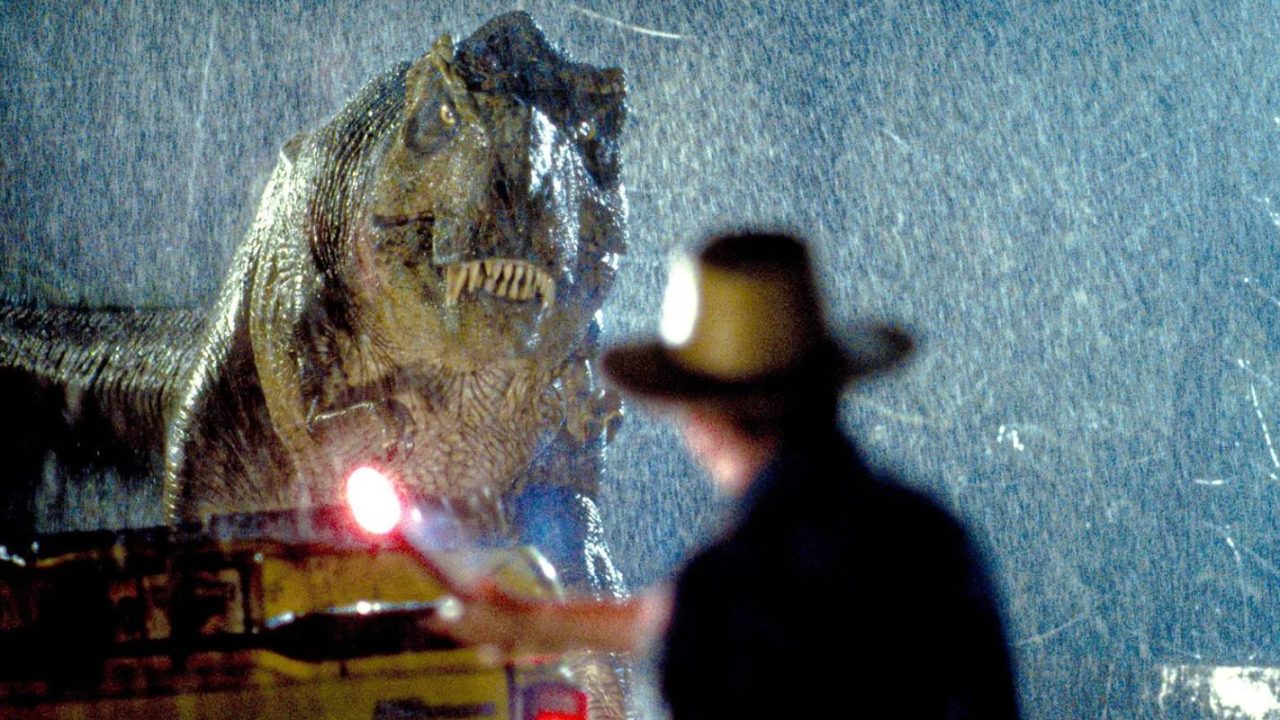
- The T-Rex paddock breakout in the original Jurassic Park — the rain, the darkness, the slow realization that the fence is no longer electrified. Few scenes in blockbuster history have built dread so methodically.
- The Velociraptor kitchen chase — two children, no adults, and two highly intelligent predators hunting them through a commercial kitchen. The clicking claws on the tile floor became iconic for a reason.
- The Spinosaurus attack in Jurassic Park III — larger than a T-Rex, faster than expected, and arriving with almost no warning in a scene that reset audience expectations for what the sequel could do.
- The Pteranodon aviary sequence in Jurassic Park III — a fog-shrouded, enclosed space filled with creatures that see the human characters purely as prey. The lack of visibility made it deeply unsettling.
- The Indominus Rex paddock escape in Jurassic World — a hybrid predator intelligent enough to manipulate its own captors into opening its enclosure. The horror here is as much psychological as physical.
- The Indoraptor bedroom scene in Jurassic World: Fallen Kingdom — a sequence that leaned hardest into pure horror aesthetics, with a predator slowly stalking a child through a darkened bedroom in a manner that echoed classic monster movies.
What Makes These Scenes Work — and Why They Still Hold Up
The best scary scenes in the Jurassic Park movies share a common structure. They don’t rely on jump scares alone. They build. The audience is given information the characters don’t have, which creates that specific, agonizing tension where you want to shout a warning at the screen.
Sound design plays an enormous role. John Williams’ score in the original film knew exactly when to go quiet, which was often more frightening than any musical sting. The sound of raptors communicating with each other — that distinctive call — became genuinely Pavlovian for audiences who grew up with these films.
The practical effects in the early films also contributed to the fear factor in ways that pure CGI sometimes struggles to replicate. When the T-Rex pushes against the glass of the tour vehicle in the original film, the weight and physicality of that animatronic creature is palpable. It feels real in a way that keeps the scene terrifying even now.
How the Franchise’s Scary Moments Evolved Across Six Films
| Film | Primary Fear Style | Standout Scary Sequence |
|---|---|---|
| Jurassic Park (1993) | Suspense and dread | T-Rex paddock breakout, Raptor kitchen chase |
| The Lost World: Jurassic Park (1997) | Chaos and scale | Raptor hunt through tall grass |
| Jurassic Park III (2001) | Claustrophobia and isolation | Pteranodon aviary, Spinosaurus attack |
| Jurassic World (2015) | Psychological threat | Indominus Rex paddock escape |
| Jurassic World: Fallen Kingdom (2018) | Gothic horror aesthetics | Indoraptor bedroom scene |
| Jurassic World Dominion (2022) | Pursuit and entrapment | Atrociraptor chase sequence |
What the Scariest Scenes Reveal About the Franchise’s Lasting Appeal
The Jurassic Park movies have endured not because of the science or even the spectacle, but because they tap into something primal. The fear of being hunted. The fear of being in a space where the normal rules of safety no longer apply. The fear of intelligence in a predator that you cannot reason with or outrun.
Those fears don’t age. They don’t require updated special effects or modern storytelling techniques to land. A child watching the raptor kitchen scene for the first time today will feel exactly what audiences felt in 1993 — because the scene is built on something fundamental about human anxiety.
That’s the real reason these films are still being discussed, still being revisited, and still generating lists like this one. The dinosaurs are spectacular. But it’s the fear that keeps people coming back.
Frequently Asked Questions
Which Jurassic Park movie is considered the scariest overall?
The original 1993 Jurassic Park is widely regarded as the most consistently frightening entry in the franchise, largely due to its masterful use of suspense and practical effects.
Is the Jurassic Park franchise suitable for young children?
The films are generally rated PG-13, and several scenes — particularly the raptor and T-Rex sequences — are genuinely frightening and may not be appropriate for very young viewers.
What makes the Velociraptor kitchen scene so scary?
The scene works because of its claustrophobic setting, the intelligence of the predators, and the vulnerability of the two child characters with no adult protection nearby.
Did the Jurassic World films continue the horror tradition of the originals?
Yes, to varying degrees — Jurassic World: Fallen Kingdom in particular leaned into gothic horror aesthetics, most notably in the Indoraptor bedroom sequence.
Are the scary scenes in Jurassic Park III as effective as the original film?
Jurassic Park III is generally considered a weaker entry overall, but its Pteranodon aviary sequence and Spinosaurus attack are frequently cited as genuinely unsettling moments in the franchise.
What role does sound design play in the scary scenes?
Sound design is critical throughout the franchise — the original film in particular used silence and minimalist scoring to build dread far more effectively than loud musical stings alone.

Leave a Reply