
▶ Read transcript
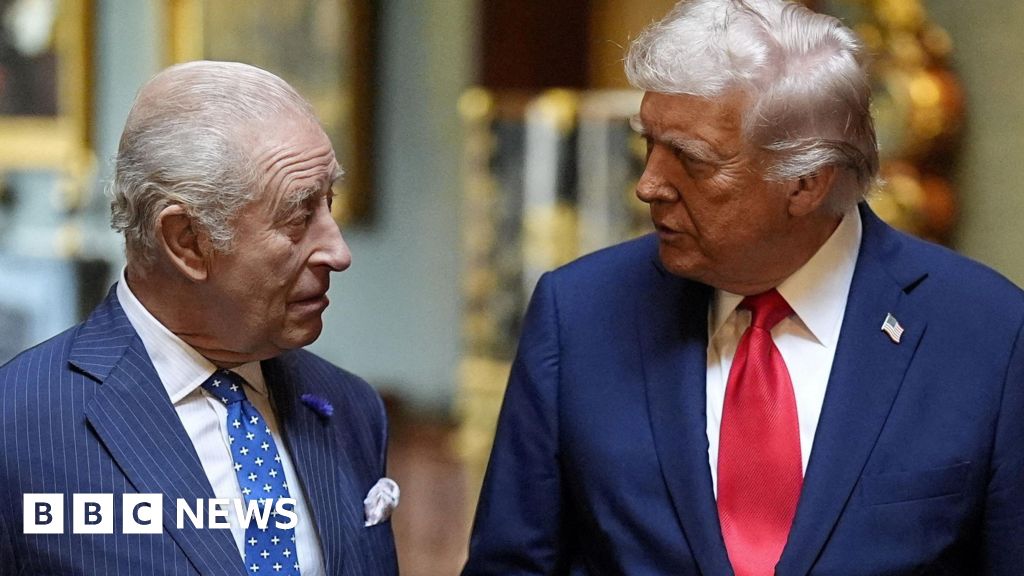
Here’s what you need to know about the upcoming royal visit to the United States. King Charles III and Queen Camilla are making an official state visit to America from April 27 to April 30, 2026. This is being called the first full British royal state visit to the US, and the timing is deeply intentional. The trip coincides with the 250th anniversary of American independence, which makes it one of the most symbolically loaded royal visits in modern history. President Trump personally extended the invitation, and Buckingham Palace has confirmed it at the highest diplomatic levels. Beyond the history, there are real practical implications, particularly for anyone with travel plans in Washington D.C. during those four days. Security perimeters, road closures, and restricted airspace are all expected. So if you’re heading to the capital that week, check Secret Service and Metropolitan Police advisories well in advance and build extra time into your plans.
The window is narrow. From April 27 to April 30, 2026, the United States will host a moment that has not occurred in living memory for most Americans: a full British royal state visit on American soil. King Charles III and Queen Camilla are coming, and the occasion carries weight that goes far beyond ceremonial pomp.
This is not a casual diplomatic stopover. Buckingham Palace confirmed the visit as an official state visit, with President Donald Trump personally extending the invitation. The timing is deliberate and loaded with symbolism: 2026 marks the 250th anniversary of American independence, making this the most historically charged royal visit in generations.
Why April 27 Is a Deadline, Not Just a Date
State visits are not spontaneous. They require months of diplomatic groundwork, security coordination across multiple federal agencies, and careful choreography between two governments. The fact that King Charles and Queen Camilla confirmed the visit after a direct invitation from President Trump signals that this trip has been in planning at the highest levels of both governments.
For travelers and residents in cities likely to host royal engagements, the practical implications are immediate. Expect significant security perimeters, road closures, and elevated public interest in Washington D.C. and any other host cities during those four days. If you have travel plans in or around the capital between April 27 and April 30, build in extra time and check local advisories.
| Visit Detail | Information |
|---|---|
| Dates | April 27–30, 2026 |
| Visiting Royals | King Charles III and Queen Camilla |
| Host | President Donald Trump |
| Visit Type | Official State Visit |
| Occasion | 250th Anniversary of American Independence |
| First British Royal State Visit to US? | Yes, confirmed by multiple sources |
The 250th Anniversary Lens: What This Visit Actually Commemorates
Strip away the pageantry and what remains is a remarkable diplomatic statement. Britain and the United States fought a war of independence 250 years ago. The colonies broke from the Crown in 1776. And now, in 2026, the reigning British monarch is arriving as an honored guest of the American president to mark that very rupture.
The irony is not lost on historians. What was once a severing of ties has become, over two and a half centuries, one of the world’s most durable alliances. The so-called Special Relationship between the UK and the US has survived two world wars, the Cold War, and countless diplomatic strains. This visit is, in part, a public reaffirmation of that bond at a moment when transatlantic relationships are under scrutiny.
King Charles has long positioned himself as a monarch who understands the weight of history. His public speeches frequently acknowledge the complexity of Britain’s past. Arriving in America to mark the anniversary of independence is a gesture that requires a particular kind of diplomatic confidence. It says: we acknowledge what happened, and we are here anyway, as partners.
| Royal Visit | Year | Reigning Monarch | Purpose | US President | Historical Significance |
|---|---|---|---|---|---|
| King Charles III & Queen Camilla | 2026 | Charles III | Official State Visit | Donald Trump | First full British royal state visit; 250th US Independence anniversary |
| Queen Elizabeth II Visit | 1991 | Elizabeth II | State Visit | George H.W. Bush | Addressed joint session of Congress; post-Cold War diplomacy |
| Queen Elizabeth II Visit | 1976 | Elizabeth II | Bicentennial Tour | Gerald Ford | 200th anniversary of American independence celebration |
| King George VI & Queen Elizabeth | 1939 | George VI | Goodwill Visit | Franklin D. Roosevelt | First reigning British monarch to visit the US; pre-WWII alliance building |
| Prince of Wales (Edward VIII) | 1919 | N/A (Prince) | Goodwill Tour | Woodrow Wilson | Post-WWI friendship tour; not a state visit as Edward was not yet king |
“King Charles and Queen Camilla will meet US President Donald Trump in late April, as a state visit to the United States has been confirmed.”
— BBC News
The cultural engagements planned for the visit are described as major, though specific venues and events are still being finalized closer to the date. Expect public appearances that blend American heritage sites with moments of British cultural diplomacy. Think less formal dinner, more deliberate symbolism.
What a Royal State Visit Means for American Cities and Tourism
State visits generate economic ripple effects that extend well beyond the official itinerary. Hotels near the White House and along likely motorcade routes in Washington D.C. have historically seen booking surges in the weeks surrounding major state visits. Restaurants, tour operators, and local vendors all feel the lift.
For domestic and international tourists already planning trips to Washington D.C. in late April, the visit adds a rare layer of living history. The chance to witness a royal motorcade, catch a glimpse of public engagements, or simply be present in a city hosting a once-in-a-generation diplomatic event is not something that appears on the travel calendar often.
British tourism to the United States is already substantial. According to the US International Trade Administration, the UK consistently ranks among the top source countries for international visitors to America. A high-profile royal visit of this nature tends to amplify interest in American destinations among British travelers, sometimes for months afterward.
City tourism boards in Washington D.C. and potentially New York, Boston, or Philadelphia (all cities with deep Revolutionary War significance) are likely already preparing for increased visitor interest tied to the 250th anniversary calendar of events. This royal visit is the centerpiece of what promises to be a year of commemorative programming across the country.
Are you comfortable with heavy security presence, road closures, and large crowds during April 27–30, 2026?
Are you willing to travel to a host city specifically for the royal visit events?
Do you have advance access, tickets, or credentials to attend an official public engagement or viewing area?
Consider watching live broadcast coverage from home. Major networks and streaming platforms will carry extensive coverage of this historic first official British royal state visit to the United States.
Is the 250th anniversary of American independence and its historic significance a strong motivator for you to attend?
This visit may not require your in-person presence. Follow news coverage and commemorative events tied to the 250th anniversary of American independence, which will be celebrated nationwide throughout 2026.
You are well-positioned to attend in person. Secure your plans early, monitor official announcements from Buckingham Palace and the White House, and prepare for heightened security protocols around all royal event locations.
Can you make travel and accommodation arrangements well before April 27, 2026, given expected high demand?
Can you make travel and accommodation arrangements well before April 27, 2026, given expected high demand?
This visit may not require your in-person presence. Follow news coverage and commemorative events tied to the 250th anniversary of American independence, which will be celebrated nationwide throughout 2026.
You are well-positioned to attend in person. Secure your plans early, monitor official announcements from Buckingham Palace and the White House, and prepare for heightened security protocols around all royal event locations.
Last-minute attendance may be difficult and costly. Focus on local public viewing events or watch live coverage — the historic significance of this visit will be fully captured through media broadcasts.
The Diplomatic Backdrop: Trump, Charles, and the Special Relationship in 2026
The meeting between President Trump and King Charles is not happening in a vacuum. The Trump administration has taken a notably assertive stance on trade and foreign policy since returning to office. The UK has been navigating its post-Brexit position on the global stage with careful attention to its relationship with Washington.
A state visit of this caliber sends signals. It tells allies and rivals alike that the US-UK relationship remains a priority for both governments. This marks the first official state visit by British monarchs to the United States, which makes the symbolism even sharper. Previous royal visits to America have been working visits or private trips, not the full ceremonial weight of a state visit.
King Charles brings his own diplomatic credibility to the table. His decades of work on environmental issues, interfaith dialogue, and sustainable development have earned him a reputation as a monarch with genuine convictions. Those themes are likely to surface in his public remarks during the visit, offering a counterpoint to purely political optics.
What Comes Next for US-UK Travel and Cultural Exchange
High-profile state visits have a documented effect on bilateral tourism. When two nations publicly celebrate their relationship at the highest levels, it normalizes travel between them and sparks curiosity in both directions. Americans who watch this visit unfold on television may find themselves more curious about Britain. British citizens watching their King tour America may feel a pull toward the country he is visiting.
The 250th anniversary of American independence is already shaping up to be one of the most significant commemorative years in recent US history. Federal and state governments have been planning events, exhibitions, and programs tied to the Semiquincentennial. The royal visit slots into that broader calendar as its most internationally visible moment.
For the travel industry specifically, the visit is a marketing opportunity that money cannot easily replicate. Airlines, hotels, tour operators, and cultural institutions in Washington D.C. and beyond have a rare chance to attach their offerings to a moment of genuine global interest. The question is how quickly and creatively they move to capitalize on it.
There is also a longer arc to consider. King Charles is 77 years old. He has been navigating his reign while managing a cancer diagnosis that became public in early 2024. This visit, at this moment, with this level of ceremonial weight, represents something beyond routine diplomacy. It is a statement of presence, of continuity, and of the enduring relevance of the monarchy as a diplomatic instrument.
Two hundred and fifty years ago, the American colonies told the British Crown they were done. On April 27, 2026, the British Crown arrives in America as a guest of honor. History, it turns out, has a very long memory and an even longer sense of irony.
Frequently Asked Questions
Frequently Asked Questions

You Might Also Like

Africa’s Travel Map Is Being Redrawn and Six Nations Are Leading It
Africa is no longer just on travelers’ bucket lists — it’s at the top of…
SAS and 3 Just Changed What Passengers Can Expect Mid-Flight
For anyone who has ever sat on a transatlantic flight watching a loading spinner instead…

Where Japan Cherry Blossom Season Quietly Begins Before Anyone Arrives
Spring in Japan doesn’t announce itself quietly. Each year, millions of travelers from around the…
Leave a Reply