
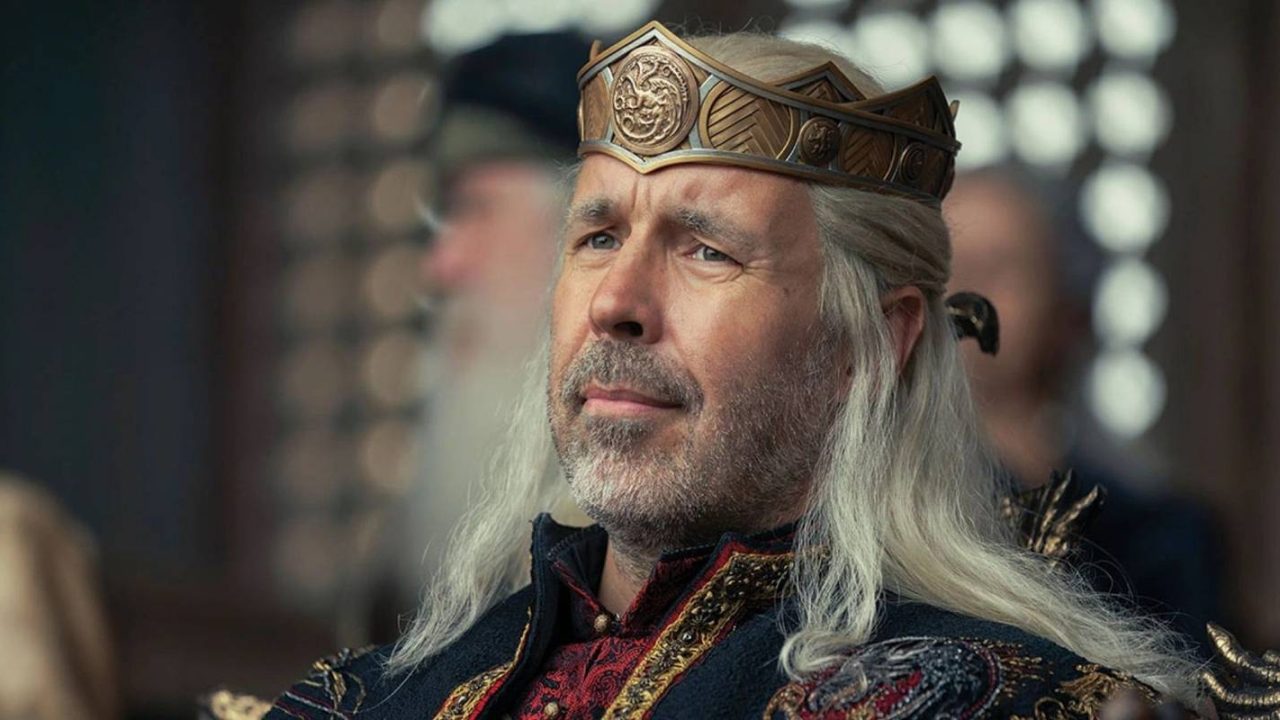
More than fifteen years after Game of Thrones first aired, the franchise George R.R. Martin built still commands the kind of cultural attention most television shows never come close to achieving. That staying power is rare — and it says something meaningful about how deeply this world of dragons, dynasties, and ancient terrors has lodged itself in the popular imagination.
Now, a new six-part HBO series set within that universe is drawing renewed attention — not just for what it adds to the story, but for what it reaches back and recovers. Specifically, a detail from Martin’s original source material that many fans of the television adaptation may have forgotten, or never fully registered in the first place.
At the center of it all is a naming distinction that turns out to matter more than it might initially seem: the difference between calling the frozen supernatural antagonists the White Walkers and calling them the Others.
What George R.R. Martin Actually Called Them
In Martin’s novels — the A Song of Ice and Fire series that gave birth to the entire franchise — the icy, terrifying creatures who march from beyond the Wall are referred to as the Others. That is the name Martin chose, the name embedded in the lore, the legends, and the fearful whispers of characters throughout the books.
When David Benioff and D.B. Weiss adapted the story for HBO, they made a deliberate change. On screen, those same creatures became known as the White Walkers. The showrunners have explained that the shift was practical — “the Others” risked confusion with the hit ABC series Lost, which featured a group of mysterious antagonists also called the Others. Rather than muddy the waters for mainstream audiences, they rebranded.
It was a reasonable call for a television production. But it meant that for eight seasons of one of the most-watched shows in HBO history, millions of viewers absorbed the story using a name that Martin himself never used in the
Why the Name Change Was More Than Cosmetic
This might sound like a trivia footnote. It isn’t, quite. The name “the Others” carries a specific weight in Martin’s mythology. It positions these creatures as something fundamentally alien — not just cold and dangerous, but genuinely other, separate from the known world in a way that the more descriptive label “White Walkers” doesn’t fully capture.
“White Walkers” is essentially a visual description. It tells you what they look like. “The Others” is something closer to a philosophical category. It tells you what they are — beings entirely outside the human experience, outside warmth, outside memory, outside everything the living world contains.
For readers of the books, that distinction has always mattered. The terror of the Others in Martin’s prose isn’t just physical. It’s existential. They don’t simply kill — they represent an erasure of everything human civilization has built.
What the New HBO Series Is Doing Differently
The new six-part HBO series is reportedly restoring the original terminology, leaning back into Martin’s language and using “the Others” rather than the television-era “White Walkers.” For longtime fans of the books, this reads as a meaningful signal — a course correction, or at least an acknowledgment that
It also reflects a broader shift in how the franchise is being handled in its current expansion phase. Where the later seasons of Game of Thrones moved beyond Martin’s written material and drew significant criticism for their handling of the story’s mythological elements, newer productions appear to be returning more deliberately to what Martin actually wrote.
| Term | Used By | Context |
|---|---|---|
| The Others | George R.R. Martin (novels) | Original source material; emphasizes alien, unknowable nature |
| White Walkers | HBO’s Game of Thrones (TV series) | Renamed to avoid confusion with Lost; descriptive of appearance |
| The Others (restored) | New six-part HBO series | Returns to Martin’s original terminology |
Why This Matters to the Franchise’s Future
The Game of Thrones universe is in an active expansion. House of the Dragon has already brought a new generation of viewers into Westeros, and multiple additional projects are in various stages of development. How those projects relate to Martin’s original vision — and how faithfully they engage with the mythology he constructed — is a question that runs beneath almost every conversation about the franchise’s direction.
Restoring a name like “the Others” is a small gesture. But small gestures accumulate. They signal to the most dedicated segment of the audience — the readers, the lore enthusiasts, the people who have spent years waiting for The Winds of Winter — that their investment in
It also opens the door to exploring aspects of the Others’ mythology that the original show largely left undeveloped. Martin’s books contain suggestions and fragments about the nature, history, and possible motivations of the Others that never made it to the screen in any coherent form. A production that uses their proper name might be more inclined to treat their story with corresponding depth.
What Fans Have Been Waiting to See
The broader fan community has long argued that the original series underserved the supernatural threat at the story’s core. The Night King — a character created entirely for the television adaptation, with no direct equivalent in the novels — became a somewhat simplified villain whose defeat in a single episode struck many viewers as anticlimactic given the decades of buildup.
Martin’s Others are more ambiguous, more mysterious, and arguably more frightening for it. A series that engages seriously with that ambiguity, starting with something as foundational as getting their name right, has real potential to deliver what the original show’s final seasons could not.
Whether the new six-part series delivers on that potential remains to be seen. But the decision to reach back to Martin’s original detail is, at minimum, a promising start.
Frequently Asked Questions
What is the difference between the Others and the White Walkers?
“The Others” is the name George R.R. Martin uses in his novels, while “White Walkers” was the term adopted by HBO’s Game of Thrones television series to avoid confusion with a similarly named group in the show Lost.
Why did the Game of Thrones showrunners rename the Others?
Showrunners David Benioff and D.B. Weiss changed the name to White Walkers because “the Others” was already associated with the antagonist group in ABC’s Lost, which could have confused mainstream audiences.
Is the new HBO series a continuation of Game of Thrones?
The new project is a six-part HBO series set within the Game of Thrones universe, though specific plot details about how it connects to previous entries have not been fully confirmed in the available source material.
Does the name change affect the mythology of the story?
Many fans and readers argue that “the Others” carries a deeper philosophical meaning than “White Walkers,” positioning the creatures as fundamentally alien rather than simply visually distinctive.
Is George R.R. Martin involved in the new series?
Will the new series explore more of the Others’ backstory?
This has not yet been confirmed, but the return to Martin’s original terminology has led fans to hope the series will engage more deeply with the mythology surrounding these creatures than the original show did.

Leave a Reply