
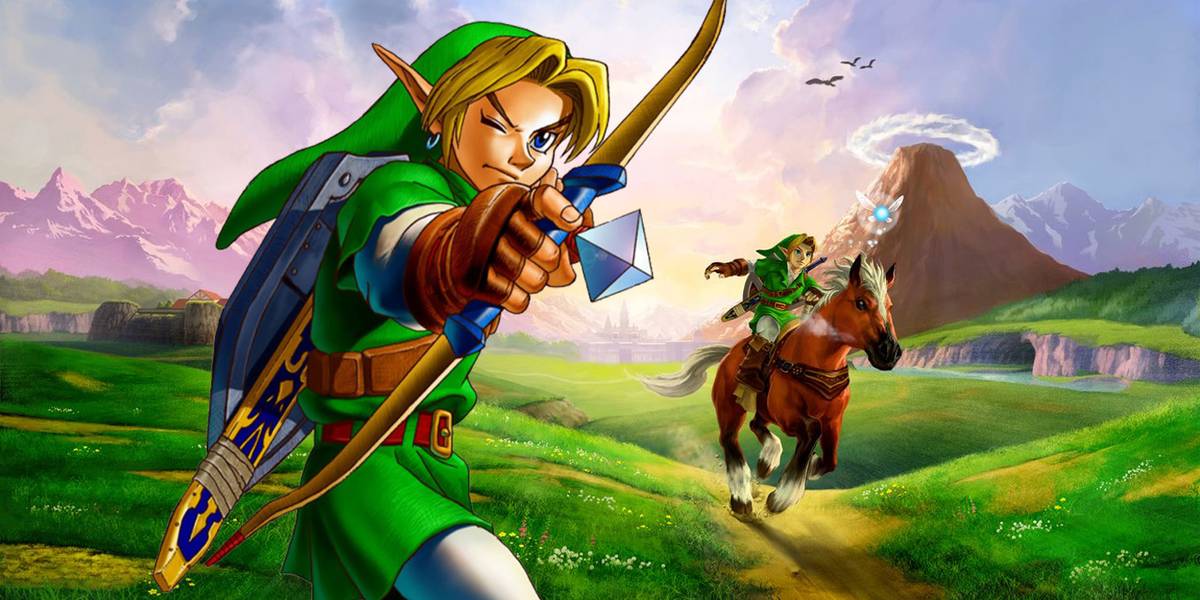
Few gaming franchises have built as rich a library of memorable tools and treasures as The Legend of Zelda. Over nearly four decades, Nintendo’s beloved series has handed players everything from simple torches to time-bending instruments — and certain items have burned themselves so deeply into gaming culture that even people who have never picked up a controller recognize them on sight.
What makes a Zelda item truly iconic? It’s rarely just utility. The best items in the series carry weight — they change how you see the world, unlock something that felt impossible, or arrive at exactly the right dramatic moment. They become part of the memory of playing, not just tools you use and forget.
With the franchise continuing to grow and a new generation of players discovering Hyrule for the first time, it’s worth looking back at the items that defined what Zelda is — and why they still matter.
Why Zelda Items Hit Different Than Other Games
Most action-adventure games give you weapons. Zelda gives you possibilities. The design philosophy behind the series has always centered on items that don’t just make you stronger — they make you smarter. A new item in a Zelda game doesn’t just help you fight; it rewires how you approach every room, every puzzle, every enemy encounter from that point forward.
That’s the core reason these items stick. They aren’t passive upgrades hidden in menus. They’re physical objects with personality, tied to specific moments, specific dungeons, specific memories. Players remember exactly where they were standing when they first fired the Hookshot or first drew the Master Sword from its pedestal.
That emotional anchoring is what separates an iconic item from a useful one.
The Most Iconic Legend of Zelda Items of All Time
Based on their lasting cultural impact, gameplay significance, and how frequently they recur across the series, here are the items that have come to define The Legend of Zelda as a franchise:
- The Master Sword — The Blade of Evil’s Bane. Link’s legendary weapon appears across dozens of entries and is arguably the single most recognizable object in all of gaming. It isn’t just a sword; it’s a symbol of destiny itself.
- The Hookshot — A grappling tool that transformed dungeon exploration. First appearing in A Link to the Past and becoming a staple in Ocarina of Time, the Hookshot gave players a sense of reach and momentum that felt genuinely thrilling.
- The Ocarina of Time — More than an instrument, it’s a plot device, a puzzle tool, and the emotional heart of one of the greatest games ever made. Playing songs to manipulate the world around you remains one of gaming’s most creative mechanics.
- The Boomerang — One of the oldest recurring items in the series, dating back to the original 1986 game. Simple, satisfying, and endlessly useful across generations of titles.
- Bombs — Another original series staple. The ability to blow open hidden walls and solve environmental puzzles has been central to Zelda’s DNA since the very beginning.
- The Bow and Arrows — Ranged combat and puzzle-solving have always gone hand in hand in Zelda, and the bow has been the tool that makes both possible across nearly every entry in the franchise.
- The Shield — From the simple Wooden Shield to the legendary Hylian Shield, defensive tools have shaped how players survive and strategize throughout the series.
- The Triforce — Technically a relic rather than a traditional item, but its presence shapes every game in the franchise. The three golden triangles representing Power, Wisdom, and Courage are the mythological backbone of all of Zelda.
- The Wind Waker — The titular baton of The Wind Waker took the musical instrument concept from Ocarina of Time and gave it a new visual identity, conducting wind and weather in a way that felt genuinely magical.
- The Sheikah Slate / Purah Pad — The modern evolution of Zelda’s item design, introduced in Breath of the Wild and continued in Tears of the Kingdom. A single multifunctional device that replaced the traditional item-per-dungeon structure with a more open, creative toolkit.
How These Items Reflect the Series Across Eras
| Item | First Major Appearance | Key Trait |
|---|---|---|
| Master Sword | A Link to the Past (1991) | Symbol of heroic destiny |
| Hookshot | A Link to the Past (1991) | Exploration and momentum |
| Ocarina of Time | Ocarina of Time (1998) | Music as puzzle mechanic |
| Boomerang | The Legend of Zelda (1986) | Classic recurring utility |
| Bombs | The Legend of Zelda (1986) | Environmental destruction |
| Bow and Arrows | The Legend of Zelda (1986) | Ranged combat and puzzles |
| Wind Waker | The Wind Waker (2002) | Conducting wind and elements |
| Sheikah Slate / Purah Pad | Breath of the Wild (2017) | Open-world creative toolkit |
What These Items Say About Where Zelda Is Heading
The shift from the Sheikah Slate to the Purah Pad between Breath of the Wild and Tears of the Kingdom tells you something important about how Nintendo thinks about item design now. Rather than gating exploration behind specific tools found in specific dungeons, the modern approach gives players a flexible set of abilities from early on and trusts them to find creative applications.
It’s a fundamentally different philosophy than the one that produced the Hookshot — but the goal is the same. Make the player feel clever. Make the item feel essential. Make the moment of discovery unforgettable.
Whether Nintendo leans back toward classic item-per-dungeon design in future entries or continues refining the open toolkit model, the items that defined earlier eras aren’t going anywhere. The Master Sword will always be pulled from its pedestal. The Ocarina will always play its haunting melodies. Some things in Hyrule are simply permanent.
Frequently Asked Questions
What is the most iconic item in The Legend of Zelda series?
The Master Sword is widely considered the most iconic item in the franchise, appearing across dozens of entries and serving as the central symbol of Link’s heroic destiny.
Which Zelda items have appeared since the very first game?
The Boomerang, Bombs, and Bow and Arrows all date back to the original 1986 Legend of Zelda and have remained series staples across generations of titles.
What makes the Ocarina of Time so memorable as a Zelda item?
The Ocarina functions as a plot device, a puzzle mechanic, and an emotional centerpiece all at once — using music to manipulate the world around the player in a way that felt genuinely creative and original for its time.
How does the Sheikah Slate differ from traditional Zelda items?
Rather than offering a single specialized tool, the Sheikah Slate introduced in Breath of the Wild provides a multifunctional device that replaced the classic item-per-dungeon structure with a flexible, open-world toolkit.
Is the Triforce considered a Zelda item?
The Triforce functions more as a mythological relic than a traditional gameplay item, but its presence as the symbolic backbone of the entire franchise — representing Power, Wisdom, and Courage — makes it impossible to leave off any list of iconic Zelda objects.
Will classic Zelda items like the Hookshot return in future games?
This has not yet been confirmed by Nintendo, though fan enthusiasm for classic items remains high and the series has a long history of revisiting beloved tools from earlier entries.


Leave a Reply