
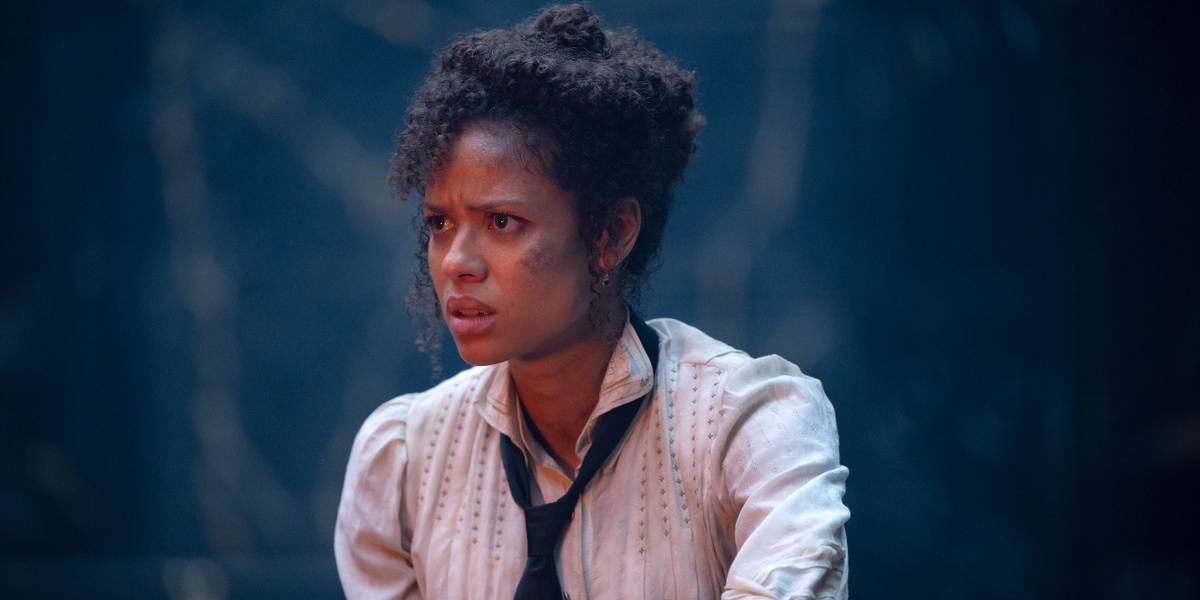
What makes a science fiction series truly stand out in an era when streaming platforms are flooded with content? For Disney+’s Loki, the answer lies in a willingness to break nearly every conventional rule of superhero and sci-fi storytelling — and doing it across two seasons that together function as one of the most structurally ambitious narratives the MCU has ever attempted.
The show, starring Tom Hiddleston as the God of Mischief, didn’t just offer another superhero adventure. It challenged how stories are supposed to be told, what heroes are supposed to do, and what a satisfying ending is even allowed to look like. That combination has earned it a reputation as one of Disney+’s best original science fiction series.
Whether you watched it when it aired or are only now discovering what the conversation is about, here’s why Loki continues to generate genuine discussion about storytelling craft — long after its final episode concluded.
What Loki Actually Is — and Why It’s Different From Every Other MCU Show
On the surface, Loki looks like a familiar Marvel product. There’s a charismatic lead, a sprawling multiverse concept, and enough visual spectacle to justify the Disney+ subscription. But the show operates on a different register than most of its MCU counterparts.
Where other Marvel series tend to function as extended films — moving characters from one plot point to the next — Loki leans into philosophical territory. It asks questions about free will, predestination, identity, and the cost of maintaining order in a universe where infinite timelines exist simultaneously. These aren’t questions that get neatly resolved with a punch or a quip.
The series is set largely within the Time Variance Authority, a bureaucratic organization that exists outside of time itself and prunes deviations from a so-called “sacred timeline.” That premise alone separates it from anything else in the MCU’s Disney+ lineup and gives the writers room to explore ideas that most blockbuster franchises wouldn’t touch.
The Storytelling Rules Loki Chose to Ignore
Most genre storytelling — especially in the superhero space — follows a recognizable architecture. The hero faces a problem, grows through adversity, defeats the villain, and returns changed but triumphant. Loki dismantles that structure in ways that feel deliberate rather than accidental.
Some of the most notable conventions the show subverts include:
- The hero wins in a conventional sense. Loki’s arc across both seasons does not end with a traditional victory. His resolution is one of sacrifice and isolation, not triumph.
- Villains are clearly villains. The show repeatedly repositions who the audience is supposed to root against, blurring the line between antagonist and tragic figure.
- The multiverse is a backdrop, not the point. In Loki, the multiverse is the central philosophical problem — not just a plot device to explain why different versions of characters exist.
- Emotional payoff requires a happy ending. Season 2 in particular challenges this assumption directly, offering a conclusion that is emotionally resonant precisely because it refuses easy comfort.
- Supporting characters exist to serve the lead. Characters like Mobius and Sylvie are given genuine interiority and arcs that don’t simply orbit Loki’s story.
Why Two Seasons Work Better Together Than Apart
One of the more interesting arguments made about Loki is that the two-season structure functions less like two separate chapters and more like a single, split narrative. Season 1 establishes the rules of the world and ends with a rupture — the unleashing of the multiverse. Season 2 spends its entire runtime dealing with the consequences of that rupture, both plot-driven and emotional.
| Season | Central Focus | Storytelling Mode | How It Ends |
|---|---|---|---|
| Season 1 | Identity and the nature of free will | Mystery and revelation | Multiverse unleashed; status quo shattered |
| Season 2 | Sacrifice, purpose, and what it costs to care | Tragedy and philosophical resolution | Loki accepts an eternal, solitary role to hold existence together |
Viewed together, the two seasons trace a complete character transformation — from a self-serving trickster to someone who willingly shoulders an impossible burden for the sake of people he loves. That arc is rare in franchise storytelling, which tends to reset characters between installments rather than letting them permanently change.
The Real-World Reason This Kind of Storytelling Matters Right Now
Audiences have grown increasingly skeptical of franchise fatigue — the sense that no story in a shared universe ever truly concludes, because every ending is just a setup for the next film or series. Loki pushes back against that feeling, at least within its own two-season run.
The show’s willingness to give its main character a definitive, emotionally complete ending — one that doesn’t leave a door obviously open — is unusual enough in the MCU context that it reads almost as a creative statement. It suggests that a story can matter on its own terms, even inside a larger universe.
For viewers worn down by narratives that refuse to commit, that distinction lands. It’s part of why Loki continues to be cited as one of the better examples of what Disney+ original programming can achieve when the creative ambition matches the production resources.
Where Loki Stands Among Disney+ Sci-Fi Originals
The broader Disney+ science fiction catalog includes everything from live-action Star Wars series to animated Marvel content, but Loki occupies a specific niche: it is one of the few entries that functions primarily as a science fiction show interested in ideas, rather than action spectacle with sci-fi window dressing.
That distinction matters for viewers who come to the genre looking for something more than visual effects and plot momentum. The time manipulation mechanics, the multiverse theory, and the bureaucratic horror of the TVA all serve thematic purposes — they aren’t just cool concepts. They are the story’s way of asking what it means to exist, to choose, and to be responsible for the consequences of those choices.
That’s a high bar for any franchise series to clear. Loki, across its two seasons, clears it more consistently than most.
Frequently Asked Questions
Is Loki considered one of the best shows on Disney+?
It has earned that reputation among science fiction fans and MCU viewers for its ambitious storytelling and willingness to subvert genre conventions.
How many seasons of Loki are there?
There are two seasons, and they are widely discussed as functioning best when viewed together as a single complete narrative.
Does Loki have a definitive ending?
Season 2 concludes with an ending that is considered emotionally complete, with Loki accepting a solitary, eternal role to preserve the multiverse — an unusually final resolution for an MCU character.
What makes Loki different from other MCU Disney+ shows?
The series focuses heavily on philosophical themes — free will, identity, sacrifice — rather than functioning primarily as action-driven franchise content.
Will there be a Season 3 of Loki?
This has not been confirmed in The Season 2 ending was structured as a conclusive finale, though the MCU’s broader plans remain subject to change.
Is Loki suitable for viewers who haven’t followed the MCU closely?
The show is more self-contained than many MCU entries, though familiarity with Loki’s character from the films adds context to his emotional arc across both seasons.


Leave a Reply