
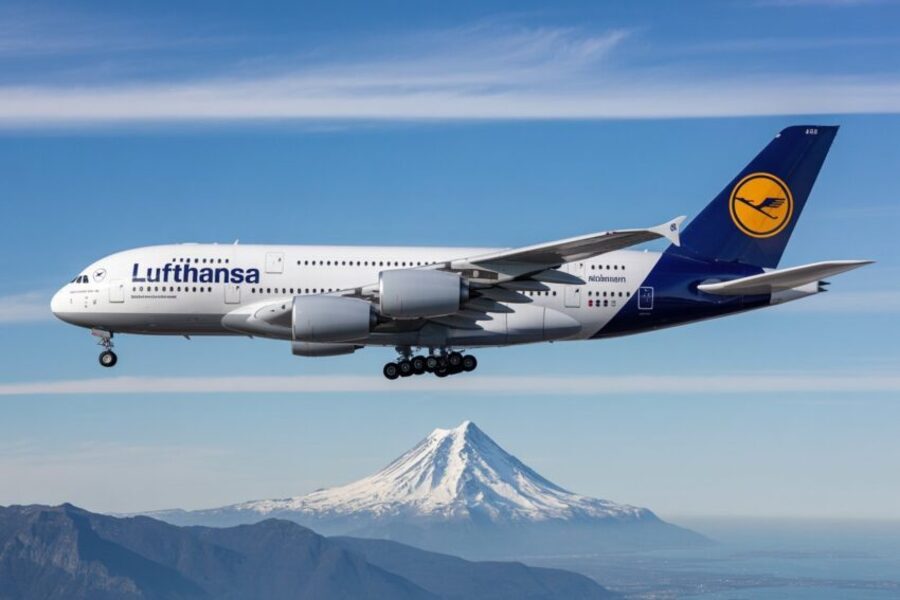
Some of the world’s biggest airlines — including Lufthansa, Air France, Emirates, Qatar Airways, and Air India — have dramatically expanded their flight cancellations and suspensions across the Middle East and Gulf regions, leaving thousands of passengers scrambling to rebook or reroute their travel plans.
The wave of disruptions is being driven by a combination of escalating security risks, airspace closures linked to ongoing conflict in Iran, rising fuel costs, and significantly longer flight times caused by rerouting around restricted zones. What began as temporary precautionary measures has grown into a sustained operational crisis affecting some of the busiest air corridors in the world.
For travelers with plans to or through the region, the situation is no longer a short-term inconvenience. Lufthansa’s decision to extend suspensions on key routes until October 2026 signals that major carriers are no longer treating this as a passing disruption — they are planning around it.
Why So Many Airlines Are Pulling Back at Once
The scale of this pullback is striking. It is not one or two regional carriers quietly adjusting schedules — it is some of the most powerful names in global aviation simultaneously retreating from the same geography.
The core drivers are interconnected. Airspace closures over Iran and surrounding areas have forced airlines to take longer, more fuel-intensive routes. That directly increases operating costs at a time when fuel prices are already elevated. And beyond the economics, security risk assessments have pushed safety-conscious carriers to suspend routes entirely rather than fly through volatile corridors.
Lufthansa, Air France, Emirates, Qatar Airways, and Air India are among the carriers confirmed to be expanding cancellations and suspensions. The fact that even Gulf-based carriers like Emirates and Qatar Airways — airlines whose entire network model is built around Middle East connectivity — are pulling back speaks to the severity of the situation on the ground.
Which Airlines and Routes Are Affected
The disruptions are not uniform. Some airlines have suspended specific city-pair routes, while others have cancelled entire swaths of regional service. Here is what is confirmed across the carriers involved:
- Lufthansa Group: Extended suspensions on Middle East and Gulf routes through October 2026
- Air France: Expanding cancellations across the affected region
- Emirates: Joining the broader suspension wave despite being a Gulf-based carrier
- Qatar Airways: Participating in route suspensions across the region
- Air India: Among the carriers expanding cancellations affecting Middle East and Gulf service
| Airline | Action Taken | Known Duration |
|---|---|---|
| Lufthansa Group | Suspensions expanded on key routes | Extended through October 2026 |
| Air France | Flight cancellations expanded | Ongoing — not fully confirmed |
| Emirates | Suspensions across regional routes | Ongoing — not fully confirmed |
| Qatar Airways | Route suspensions in place | Ongoing — not fully confirmed |
| Air India | Cancellations expanded | Ongoing — not fully confirmed |
The Real-World Impact on Travelers and the Industry
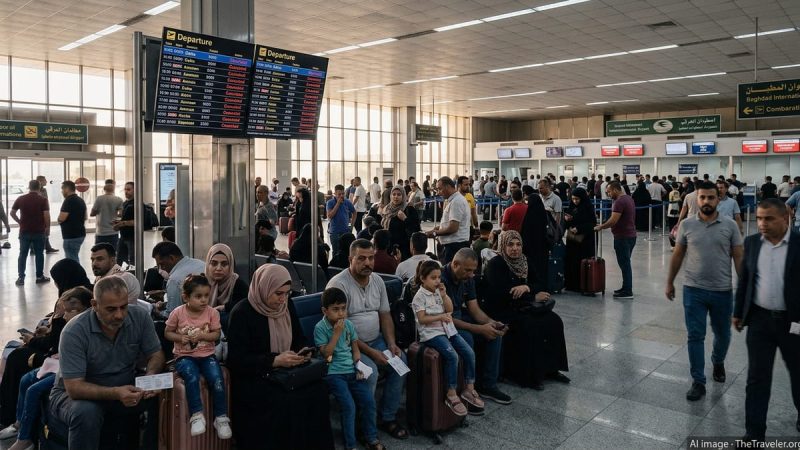
If you have a flight booked to, from, or through the Middle East or Gulf between now and late 2026, this situation directly affects you. Thousands of passengers are already dealing with cancellations, and the extension of suspensions through October 2026 means the disruption window is far longer than most travelers may have anticipated.
For those with connecting itineraries routed through hubs like Dubai, Doha, or other Gulf cities, even flights that are not directly cancelled may face knock-on disruptions — delayed connections, rerouted legs, and schedule changes that cascade through entire journeys.
The financial impact on the aviation industry is also significant. Airlines are absorbing higher fuel costs from longer rerouted flights, losing revenue on suspended routes, and managing the operational complexity of rebooking affected passengers at scale. For carriers like Emirates and Qatar Airways, whose business models are deeply tied to Middle East connectivity, the sustained disruption represents an unusually difficult set of pressures.
Travelers are being advised to check directly with their airlines for the latest schedule information, to review their travel insurance coverage for disruption-related claims, and to be prepared for itinerary changes on any routing that passes through the affected region.
What the Coming Months Look Like for Aviation in the Region
With Lufthansa’s suspensions locked in through October 2026, the clearest signal from the industry right now is that a quick resolution is not being planned for. Airlines are not suspending routes for a few weeks and quietly restoring them — they are making structural schedule decisions that stretch across most of the remainder of the year.
The situation will likely evolve based on the security environment in Iran and surrounding airspace. If conditions stabilize, carriers may begin restoring service ahead of the October timeline. But if instability continues or worsens, further extensions — or additional route suspensions — cannot be ruled out.
For the aviation industry more broadly, this period represents one of the most complex operational environments in recent years. The combination of security-driven airspace closures, elevated fuel costs, and mass passenger rebooking is putting pressure on airline finances and logistics in ways that will take time to fully absorb.
Travelers planning any Middle East or Gulf travel through the rest of 2026 should treat flexibility as essential — not optional.
Frequently Asked Questions
Which airlines are cancelling or suspending Middle East and Gulf flights?
Lufthansa, Air France, Emirates, Qatar Airways, and Air India are among the carriers confirmed to be expanding cancellations and suspensions across the region.
How long are the flight suspensions expected to last?
Lufthansa has extended its suspensions on key routes through October 2026. The confirmed duration for other carriers has not been fully specified in available information.
What is causing the cancellations and suspensions?
The disruptions are being driven by escalating security risks, airspace closures related to ongoing conflict in Iran, and rising fuel costs from longer rerouted flights.
Will passengers receive refunds or rebooking options?
This has not been confirmed in the available source material — travelers should contact their airline directly for rebooking and refund policies.
Are Gulf-based carriers like Emirates and Qatar Airways also affected?
Yes. Both Emirates and Qatar Airways are among the carriers expanding suspensions, despite being based in the Gulf region themselves.
Should I cancel my planned travel to the Middle East?
Travelers are advised to check directly with their airline for the latest schedule information and to review their travel insurance coverage, as the situation remains ongoing and subject to change.



Leave a Reply