
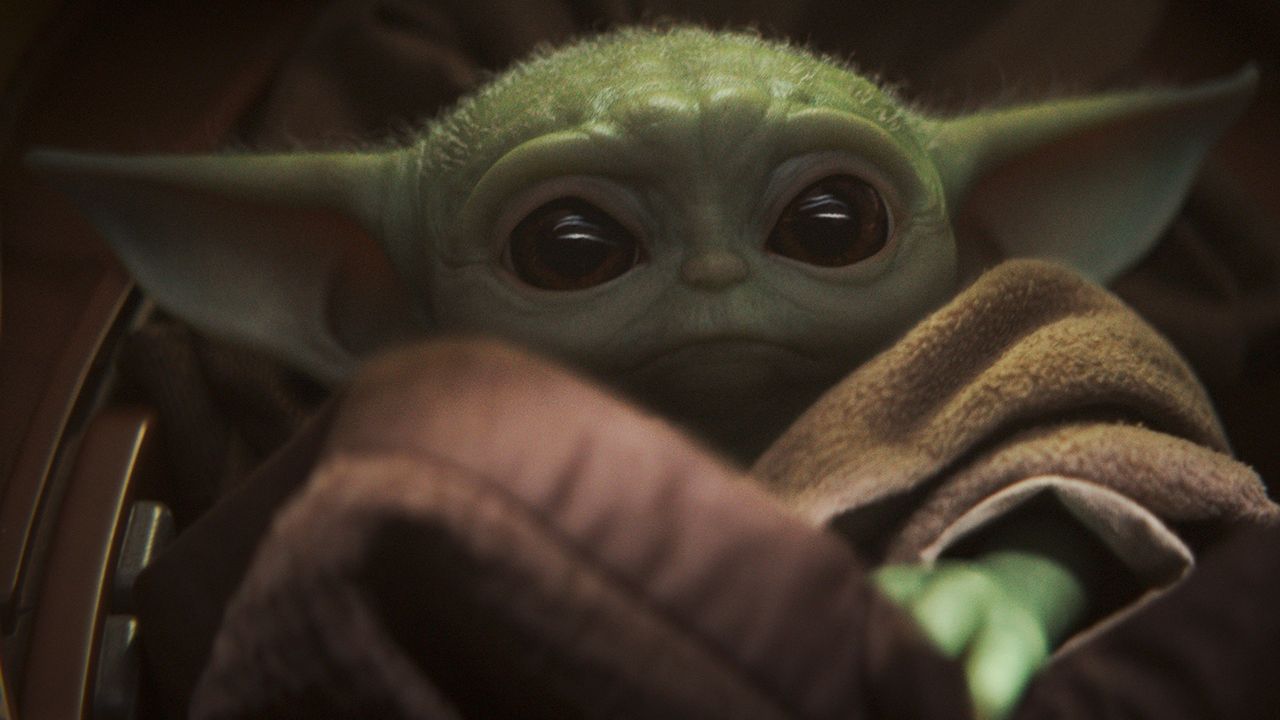
Few streaming shows have managed to split their own fanbase quite as cleanly down the middle as The Mandalorian — and the way Disney+ has handled its three-season run offers a near-perfect case study in how to build something beloved, then watch the goodwill slowly drain away.
When the show debuted in 2019, it was a genuine cultural event. The arrival of Grogu — then simply known as “Baby Yoda” — dominated social media for weeks. The Mandalorian felt like proof that Star Wars still had something left to say on television. By the time Season 3 wrapped, however, a significant portion of that original audience had quietly checked out, and the conversation around a follow-up film has done little to reignite the old excitement.
So what actually happened? And why does this particular sci-fi series serve as such a sharp illustration of how fandom enthusiasm can be built, fractured, and left in an uncertain place?
How The Mandalorian Built One of Streaming’s Biggest Audiences
The first season of The Mandalorian arrived at a critical moment for Disney+. The platform had just launched, and it needed a flagship live-action series that could justify subscriptions. What it got was something better than expected: a tight, episodic Western-in-space that leaned into atmosphere over spectacle.
The show’s structure was deliberately simple. A lone bounty hunter. A mysterious child. Short, self-contained episodes that felt more like classic television than prestige streaming drama. Audiences responded. The Mandalorian became the most-watched original series on Disney+ and generated the kind of organic fan engagement that money genuinely cannot buy.
Season 2 raised the stakes further, bringing in legacy Star Wars characters and building toward a climax that left many viewers genuinely emotional. The hype at that point was close to its ceiling.
Where Season 3 Lost the Thread
Season 3 is where the consensus fractured — and it fractured in ways that are genuinely instructive for anyone thinking about long-form storytelling on streaming platforms.
The core complaint from viewers who fell off was structural. The show that had once been a focused two-hander between Din Djarin and Grogu suddenly felt pulled in multiple directions. Storylines expanded, the scope widened, and the intimate quality that had defined the early seasons gave way to something that felt more like a conventional Star Wars ensemble piece.
For some fans, that evolution was welcome. For others, it felt like the show had abandoned what made it work in the first place. Both reactions are understandable — and that split is precisely what makes The Mandalorian such a useful example of the tension between expanding a universe and protecting the core of a story.
The Three-Season Arc and What It Reveals About Fandom
Looking at the show’s trajectory across its three seasons, a pattern emerges that goes beyond The Mandalorian specifically. It reflects something broader about how streaming audiences engage with serialized content.
| Season | Audience Reception | Key Narrative Focus |
|---|---|---|
| Season 1 | Near-universal enthusiasm; cultural phenomenon | Din Djarin and Grogu, episodic bounty hunter stories |
| Season 2 | Strong positive response; legacy character appearances drove hype | Quest structure, expanded Star Wars connections |
| Season 3 | Divided; significant drop-off in casual viewer engagement | Broader ensemble, Mandalorian culture, political storylines |
The table tells a story that many streaming shows know well. The wider the net gets cast, the more likely it becomes that the audience that came for something specific starts to feel like the show is no longer made for them.
The Film Announcement and Why the Hype Hasn’t Fully Recovered
Disney has announced a Mandalorian film intended to continue the story, but the response has been notably more muted than what the franchise once commanded. That’s not necessarily a death sentence for the project — films operate differently from episodic television, and a tighter format could theoretically address some of the criticisms leveled at Season 3.
But the enthusiasm gap is real. Observers who track streaming and franchise discourse have noted that the announcement did not produce the kind of immediate, widespread excitement that even a mid-tier Marvel or Star Wars reveal would have generated five years ago. Whether that reflects broader franchise fatigue, specific disappointment with Season 3, or simply the natural cooling of any cultural phenomenon is difficult to disentangle.
What is clear is that the path from beloved debut to divided fandom to uncertain theatrical future is not unique to The Mandalorian. It is, if anything, one of the more common arcs in prestige streaming television.
What This Means for the Future of Disney+ Sci-Fi
The Mandalorian’s trajectory carries real implications for how Disney+ approaches its remaining Star Wars and sci-fi slate. The lesson embedded in the show’s three seasons is not simply “don’t change things.” Change is inevitable in long-running stories. The harder question is whether the changes being made serve the story the audience originally invested in — or whether they serve a different agenda entirely.
Fans are remarkably good at detecting the difference, even when they cannot always articulate it precisely. The Mandalorian’s divided fandom is not a failure of the audience. It is feedback. Whether Disney chooses to hear it in how the film is shaped remains to be seen.
Frequently Asked Questions
How many seasons of The Mandalorian are there?
The Mandalorian has run for three seasons on Disney+, with a theatrical film announced as a continuation of the story.
Why did The Mandalorian lose viewers in Season 3?
Many viewers felt Season 3 moved away from the focused two-character dynamic of the earlier seasons, expanding into broader ensemble storytelling that divided the fanbase.
Is a Mandalorian movie actually happening?
Disney has announced a Mandalorian film, though specific release details and the full extent of its production status have not been fully confirmed at this stage.
Was The Mandalorian always popular on Disney+?
Yes — the show was Disney+’s most-watched original live-action series and became a cultural phenomenon largely due to the introduction of Grogu in Season 1.
Will the film fix the problems fans had with Season 3?
This has not yet been confirmed. Some observers suggest a film format could allow for a tighter, more focused story, but specifics about the film’s narrative direction have not been made public.
Is The Mandalorian’s fandom split unusual for a streaming show?
Not especially — many long-running streaming series follow a similar arc from universal enthusiasm to divided audience as the scope of the story expands across multiple seasons.

Leave a Reply