
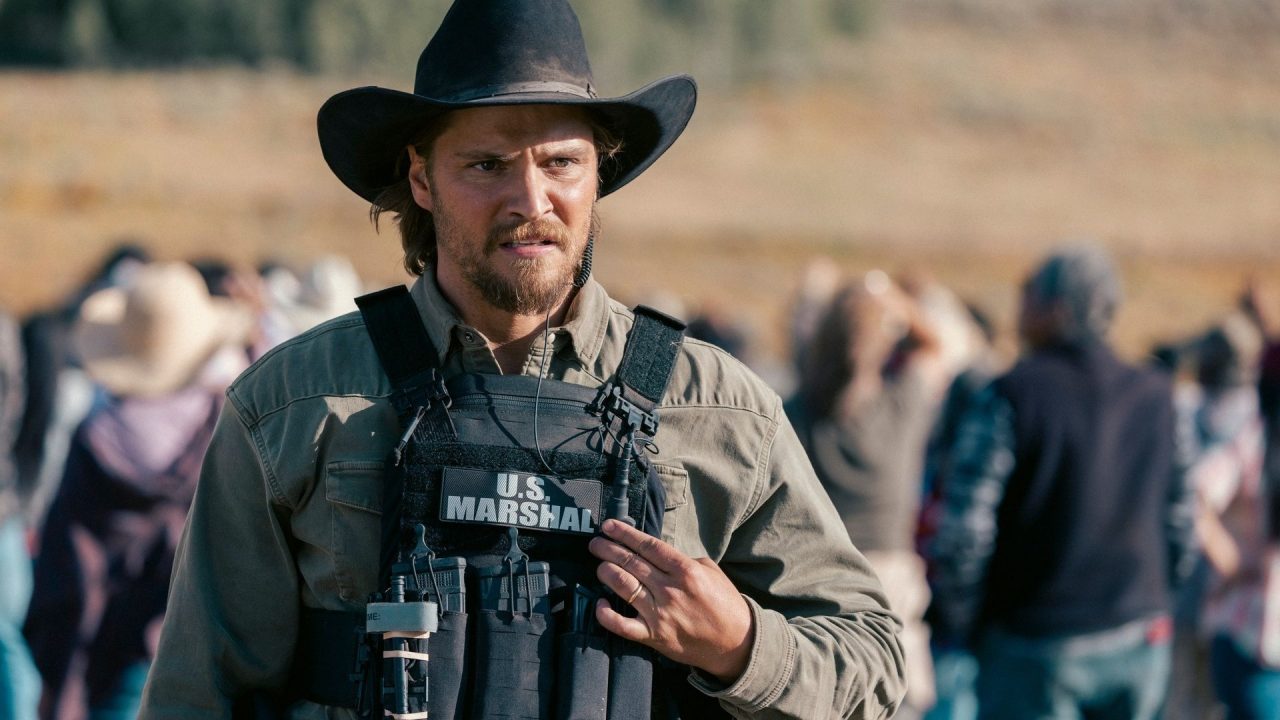
Taylor Sheridan built one of television’s biggest franchises on a very specific formula — and his newest series, Marshals, may already be revealing what happens when a key piece of that formula goes missing.
Only three episodes into its run, Marshals is drawing comparisons to Yellowstone, the show that made Sheridan a household name. But viewers and critics are starting to notice that something feels off. The show carries his signature style — rugged settings, morally complex characters, a certain American mythology baked into every frame — yet it isn’t landing the same way Yellowstone did when it first grabbed audiences by the collar and refused to let go.
So what’s the missing ingredient? That question is worth taking seriously, because Sheridan’s track record is genuinely impressive, and when one of his shows underperforms its potential, it usually comes down to something specific rather than something vague.
What Made Yellowstone Work So Well in the First Place
Yellowstone didn’t become a cultural phenomenon purely because of its Montana landscapes or its action sequences. What made it compulsive viewing was the tension at its core — a family fighting to hold onto something, surrounded by forces trying to take it away. The Dutton family wasn’t just a group of characters. They were a symbol, and every episode felt like the stakes were existential.
That sense of something precious and irreplaceable being under constant threat gave Yellowstone its emotional engine. Viewers didn’t just watch John Dutton navigate enemies. They felt the weight of what he stood to lose. The land, the legacy, the family — all of it felt genuinely fragile, which made every victory feel earned and every setback feel devastating.
Sheridan’s best writing has always operated on that level. When it works, you’re not just watching a plot unfold. You’re watching people fight for something that matters deeply, and you feel that fight in your chest.
Where Marshals Appears to Be Falling Short
Based on what’s emerged through the early episodes, Marshals appears to be missing that core emotional stake — the thing that makes you genuinely care whether the protagonist wins or loses beyond the immediate mechanics of the plot.
Yellowstone gave viewers a reason to root for the Duttons that went beyond simple hero-versus-villain dynamics. The show embedded its characters in a world with history, with land, with legacy. Losing wasn’t just losing — it meant the erasure of something that couldn’t be replaced. That’s a very different emotional register from a procedural where the tension resets each week.
Marshals, at least through its first three episodes, hasn’t yet established that kind of irreplaceable stakes for its central characters. The show has the surface elements of a Sheridan production — the atmosphere, the pacing, the moral ambiguity — but without that deeper emotional anchor, it risks feeling like a competent thriller rather than something that burrows under your skin the way Yellowstone did.
The Sheridan Formula — What’s Present and What Isn’t
| Element | Present in Yellowstone | Present in Marshals (So Far) |
|---|---|---|
| Strong atmospheric setting | Yes | Yes |
| Morally complex protagonist | Yes | Yes |
| Existential personal stakes | Yes | Not yet established |
| Legacy and loss as emotional core | Yes | Not yet established |
| Tension that resets vs. accumulates | Accumulates | Appears to reset |
This comparison isn’t meant to write Marshals off entirely. Three episodes is genuinely early. Sheridan has shown before that his shows can find their footing as characters deepen and storylines compound. But the first three episodes of a series are also when audiences decide whether to commit — and right now, Marshals hasn’t yet given viewers the emotional reason to stay that Yellowstone delivered almost immediately.
Why This Matters for the Broader Taylor Sheridan Universe
Sheridan has become one of the most prolific and commercially successful showrunners working in television, with a sprawling slate of projects that extends well beyond Yellowstone. That expansion has been both his greatest asset and, increasingly, a source of scrutiny. When you’re producing at that volume, the question inevitably becomes whether the quality control holds across every project or whether some shows end up feeling like they were assembled from a template rather than built from a genuine creative spark.
Marshals matters as a test case because it represents Sheridan working in a slightly different genre space — law enforcement rather than ranching dynasties — while still trying to deliver the same emotional intensity his audience expects. If the show can’t establish that emotional core, it risks confirming a concern that some critics have raised about the broader Sheridan universe: that the formula is becoming visible, and once you can see the formula, the magic starts to fade.
The good news is that Sheridan clearly knows how to write characters who carry real weight. The question is whether Marshals will find its version of the Dutton family’s irreplaceable stakes before it loses the audience’s patience.
Can the Show Course-Correct Before It’s Too Late?
Television history is full of shows that found their identity after a shaky start. Three episodes in, Marshals still has time to establish the emotional architecture it’s currently missing. If the writers can identify what their central characters stand to lose — something personal, irreversible, and worth fighting for — the show’s existing strengths could carry it to the level audiences are hoping for.
But that work needs to happen soon. Viewers who came to Marshals expecting the feeling they got from Yellowstone are already noticing the gap. And in a crowded television landscape, the window to close that gap doesn’t stay open indefinitely.
Frequently Asked Questions
What is Marshals?
Marshals is a Taylor Sheridan television series that has aired at least three episodes, drawing comparisons to his earlier hit Yellowstone.
What ingredient is Marshals missing compared to Yellowstone?
Based on early episodes, Marshals appears to be missing the deep existential personal stakes and emotional core — the sense of something irreplaceable being under threat — that made Yellowstone so compelling.
How many episodes of Marshals have aired so far?
At least three episodes had aired at the time this analysis was published.
Is Marshals a bad show?
The concern isn’t that Marshals is bad, but that it hasn’t yet established the emotional foundation that elevated Yellowstone beyond a standard drama — though it is still early in its run.
Could Marshals still improve as the season continues?
Yes — three episodes is early, and the show still has time to develop the deeper character stakes it currently appears to be lacking.
Is Taylor Sheridan involved in writing Marshals?
Marshals is described as a Taylor Sheridan series, though specific writing credits per episode have not been detailed in the available source material.



Leave a Reply