
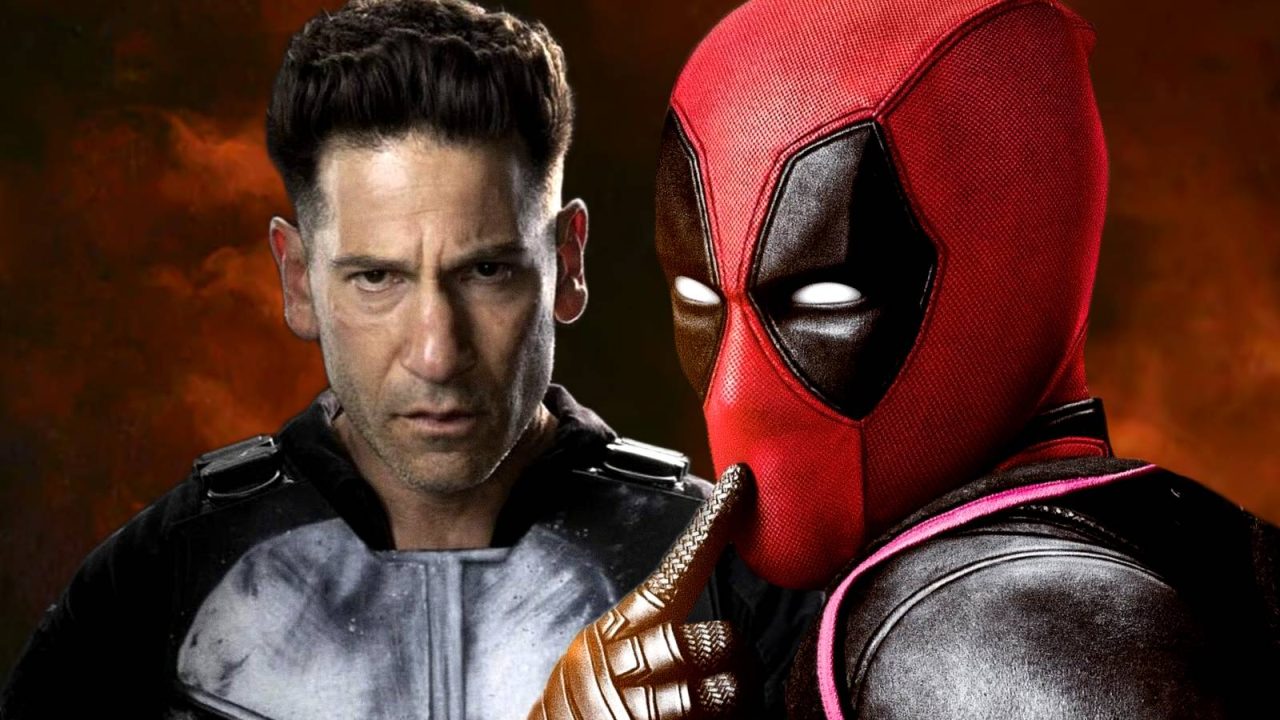
Marvel is hitting the reset button on one of its most beloved characters — and thirty years of storytelling are about to be wiped from the slate. Wade Wilson, better known as Deadpool, is being rebooted by Marvel Comics, with the publisher pulling the character back to his earliest roots as a trigger-happy, morally uncomplicated anti-hero.
Marvel is deliberately erasing approximately thirty-five years of Deadpool’s hard-won character development, betting that a return to his ruthless 1990s mercenary origins will attract new readers — even at the cost of alienating the dedicated fanbase who grew up with the more complex Wade Wilson.
For longtime fans who have followed Deadpool’s evolution from wisecracking mercenary to something far more complex and emotionally layered, this is a significant shift. The reboot reportedly undoes most of the character development Wade Wilson has accumulated across roughly thirty-five years of comic book history.
It’s the kind of decision that tends to split comic book readers right down the middle — those who want their favorite character to feel fresh and accessible to new readers, and those who believe decades of earned storytelling should never be casually discarded.
What Marvel Is Actually Doing With Deadpool
According to reporting from Screen Rant, Marvel’s reboot takes Deadpool back to his origins — the version of the character that first emerged in the early 1990s. That Wade Wilson was a straightforward anti-hero, defined more by his violent instincts and mercenary lifestyle than by the emotional depth and self-awareness the character later developed.
The reboot essentially removes approximately thirty years of continuity. That’s not a minor tweak. That’s a wholesale reimagining of who Wade Wilson is, stripping away the character growth, relationships, and narrative history that made Deadpool one of Marvel’s most distinctive and commercially successful figures.
If you are an active Deadpool reader, be aware that Marvel is formally setting aside the stories and character moments you have invested in. The version of Wade Wilson built over three decades is no longer the foundation the publisher intends to build on going forward.
For context, Deadpool first appeared in the early 1990s as a relatively conventional villain-adjacent figure before evolving into the fourth-wall-breaking, deeply self-referential character that became a cultural phenomenon — particularly after the success of the Fox film franchise starring Ryan Reynolds.
Why Reboots Like This Happen — and Why Fans Push Back
Comic book publishers reboot characters for a handful of recognizable reasons. New reader accessibility is usually at the top of the list. Decades of continuity can feel like an intimidating wall for someone picking up their first Deadpool comic in 2026. A clean slate, in theory, solves that problem.
There’s also the commercial angle. Reboots generate attention, drive new series launches, and give publishers a natural marketing moment. A “new” Deadpool is a news story. A continuing Deadpool series, issue 200-something, is harder to sell to casual readers browsing a shelf.
But the pushback from dedicated fans is just as predictable — and often just as valid. Character development in comics is hard-won. The emotional arcs, the supporting casts, the relationships that define a character over decades aren’t just filler. For many readers, that accumulated history is precisely what makes a character worth caring about.
“Deadpool in particular benefited from evolving beyond his origins. The character’s later stories leaned into themes of identity, trauma, and belonging in ways that gave the jokes and chaos real emotional weight.”
Deadpool in particular benefited from evolving beyond his origins. The character’s later stories leaned into themes of identity, trauma, and belonging in ways that gave the jokes and chaos real emotional weight. Returning to a simpler, more violent version of Wade Wilson risks losing exactly what made him resonate so broadly.
What Changes — and What the Original Deadpool Looked Like
The original 1990s Deadpool was a product of his era. Marvel’s early decade was defined by extreme aesthetics — oversized weapons, aggressive anti-heroes, and a general rejection of the more earnest superhero storytelling of previous generations. Deadpool fit that mold initially, operating as a mercenary with a healing factor and a talent for violence.
What the character became over the following three decades was something quite different. Here’s a broad look at how the two versions of the character compare, based on what has been reported:
| Attribute | 1990s Original Deadpool | Evolved Modern Deadpool |
|---|---|---|
| Core Identity | Trigger-happy mercenary anti-hero | Fourth-wall-breaking, self-referential icon |
| Emotional Depth | Minimal — defined by violence and mercenary lifestyle | Rich — explores identity, trauma, and belonging |
| Moral Complexity | Low — villain-adjacent, uncomplicated | High — layered anti-hero with genuine stakes |
| Cultural Reach | Niche — product of extreme 1990s aesthetics | Mainstream — Fox film franchise, global recognition |
| Continuity | Clean slate, easy entry point | ~35 years of interconnected story arcs |
What This Means for Deadpool Readers Right Now
If you’re a current Deadpool reader, the most immediate consequence is that the stories and character moments you’ve invested in are being formally set aside. Marvel is signaling that the version of Wade Wilson built over three decades is no longer the foundation the publisher wants to build on.
For new readers, the reboot theoretically offers an easier entry point. A simpler, more action-focused Deadpool with less continuity baggage could attract readers who were previously put off by not knowing where to start.
The broader Marvel Comics landscape is also relevant here. Reboots and continuity resets have become increasingly common across the industry as publishers try to balance legacy readership with accessibility for new audiences. Deadpool’s reboot fits a recognizable pattern, even if the scale — removing roughly thirty-five years of story — is significant.
What Comes Next for Wade Wilson
The specific details of what the rebooted Deadpool series will look like — creative team, launch date, or how Marvel plans to handle the transition from existing continuity — have not been confirmed in the available source material at this time.
What is clear is that Marvel has made a deliberate choice to reposition one of its highest-profile characters. Whether that decision pays off creatively and commercially will depend on execution. Reboots can work. They can also remind readers exactly why they valued what came before.
For now, Wade Wilson is heading back to the beginning — and thirty-five years of story are going with him.

Leave a Reply