
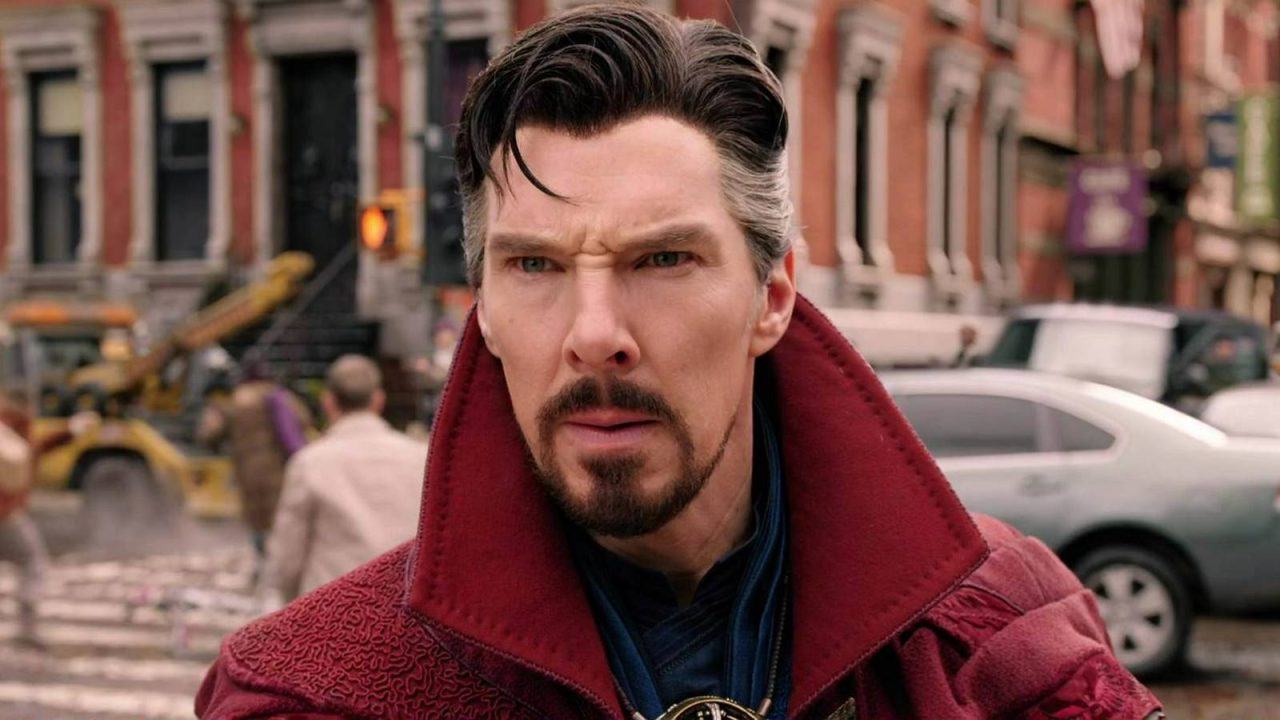
Marvel’s street-level heroes have always hit differently. While the Avengers are busy stopping alien invasions and rearranging timelines, a smaller, grittier group of characters is out on the pavement — protecting the people nobody else notices. No Quinjet. No vibranium. Just fists, willpower, and a deep knowledge of which alleyways to avoid.
The term “street-level hero” has become one of the most beloved categories in Marvel Comics, describing characters who operate on a human scale — fighting crime, corruption, and injustice in the neighborhoods where real people live. These aren’t gods or super-soldiers. They’re lawyers, detectives, boxers, and kids from Queens who decided to do something about the world they grew up in.
With renewed interest in Marvel’s grounded heroes — partly driven by years of Netflix adaptations and the ongoing expansion of Marvel’s publishing output — it’s worth looking at which characters have truly defined what street-level heroism means in the Marvel Universe.
What Makes a Hero “Street-Level” in Marvel?
The distinction matters more than it might seem. Street-level heroes aren’t defined by a lack of power — Spider-Man, after all, can bench press a bus. What defines them is scope and focus. These are characters whose stories center on communities, individuals, and the kind of crime that doesn’t make the evening news because it happens every night.
Daredevil doesn’t fight Thanos. He fights the Kingpin. He fights the mob boss who bought the judge who let the landlord evict the family who had nowhere else to go. That chain of consequence — intimate, urban, and deeply human — is the heartbeat of street-level storytelling.
It’s also what makes these characters so enduring. Readers connect to heroes who feel like they exist in the same world, facing the same systems, even if the specific threats are fictional.
The Greatest Street-Level Heroes in Marvel History
Ranking these characters involves weighing comic book legacy, cultural impact, storytelling depth, and the degree to which they’ve come to define the genre. Here’s how the most celebrated names stack up.
| Rank | Hero | Real Identity | Known For |
|---|---|---|---|
| 1 | Spider-Man | Peter Parker | The definitive everyman hero; protects New York City from the ground up |
| 2 | Daredevil | Matt Murdock | Blind lawyer by day, Hell’s Kitchen’s guardian by night |
| 3 | Luke Cage | Luke Cage | Power Man; bulletproof skin, Harlem-rooted hero for hire |
| 4 | Jessica Jones | Jessica Jones | Private investigator with super strength; survivor-turned-protector |
| 5 | Iron Fist | Danny Rand | Martial arts master channeling the power of the Iron Fist |
| 6 | Punisher | Frank Castle | One-man war on crime; the darkest end of the street-level spectrum |
| 7 | Moon Knight | Marc Spector | Avatar of Khonshu; mentally complex, brutally effective |
| 8 | Black Cat | Felicia Hardy | Thief-turned-antihero with a complicated relationship with Spider-Man |
| 9 | Elektra | Elektra Natchios | Assassin and occasional hero; deeply tied to Daredevil’s world |
| 10 | Cloak and Dagger | Tyrone Johnson / Tandy Bowen | Paired runaways with light and darkness powers; tackle drug crime and exploitation |
Why Spider-Man and Daredevil Anchor the Entire Genre
Any honest ranking puts Spider-Man and Daredevil at the top, and for reasons that go beyond popularity. These two characters essentially built the template that every street-level hero since has followed.
Spider-Man brought the concept of consequence to superhero comics. Peter Parker doesn’t just fight crime — he misses rent, loses jobs, and grieves people he couldn’t save. His world is New York City rendered in intimate, recognizable detail. The stakes are always personal, even when they’re also enormous.
Daredevil, particularly under Frank Miller’s landmark run, introduced a darker and more legally and morally complex vision of street-level heroism. Matt Murdock fights the same criminals in the courtroom that he fights on the rooftops — and sometimes loses in both places. That duality, between justice and vengeance, law and vigilantism, has made Daredevil one of the most critically acclaimed characters in Marvel’s history.
The two characters have crossed paths repeatedly over the decades, and their shared New York geography creates a natural continuity that reinforces what street-level storytelling does best: it builds a world that feels lived-in.
The Characters Who Expand What Street-Level Can Mean
Luke Cage and Jessica Jones pushed the genre in directions it hadn’t fully explored. Cage’s stories engaged directly with race, community, and institutional power in ways that felt urgent and specific. Jones, particularly in Brian Michael Bendis’ Alias series, brought psychological realism to a genre that had often avoided it — exploring trauma, identity, and what heroism looks like when you’re not sure you want the job.
Moon Knight occupies a stranger corner of the street-level world. His stories engage with mental illness, identity, and the reliability of perception in ways that feel genuinely unusual for mainstream superhero comics. He’s a hero who can’t always trust himself — which makes him both compelling and deeply human.
Cloak and Dagger, meanwhile, represent the genre’s social conscience at its most direct. Their origin stories involve drug experimentation, and their ongoing mission targets the systems that exploit vulnerable young people. They’re not the most famous names on this list, but their presence in street-level Marvel has always carried real moral weight.
What This Genre Means for Marvel’s Future
Street-level heroes have never been more prominent in popular culture. The Netflix Marvel series — covering Daredevil, Jessica Jones, Luke Cage, Iron Fist, and The Punisher — introduced these characters to millions of viewers who had never read a comic. The recent revival of Daredevil: Born Again on Disney+ signals that Marvel Studios sees continued value in this grounded, human corner of its universe.
In the comics, street-level storytelling continues to evolve. New characters have taken on legacy mantles, and the genre has expanded to reflect a wider range of voices, backgrounds, and urban experiences. The core appeal, however, remains unchanged: these are heroes who remind us that the most important battles are often the ones fought closest to home.
Frequently Asked Questions
Who is generally considered the greatest street-level hero in Marvel Comics?
Spider-Man and Daredevil are most frequently cited as the defining street-level heroes in Marvel history, each having shaped the genre in fundamental ways over decades of storytelling.
What makes a Marvel hero “street-level”?
Street-level heroes are defined by their focus on ground-level crime, community, and human-scale threats rather than cosmic or world-ending events — regardless of whether they have superhuman powers.
Is the Punisher considered a hero in Marvel Comics?
The Punisher occupies a morally complex position — he is typically classified as an antihero, representing the darkest end of the street-level spectrum due to his lethal methods and refusal to operate within conventional heroic codes.
Are Cloak and Dagger part of the main Marvel street-level tradition?
Yes — Cloak and Dagger are recognized as part of Marvel’s street-level tradition, with stories that have historically focused on drug crime and the exploitation of young people.
Has Daredevil appeared in Marvel Studios productions?
Yes — Daredevil has been featured in Netflix’s Marvel series and more recently in Daredevil: Born Again on Disney+, reflecting the character’s enduring popularity beyond the comics.
Did Frank Miller have a significant impact on street-level Marvel storytelling?
Frank Miller’s run on Daredevil is widely regarded as one of the most influential periods in street-level Marvel history, introducing a darker and more morally complex tone that shaped the genre for decades.

Leave a Reply