
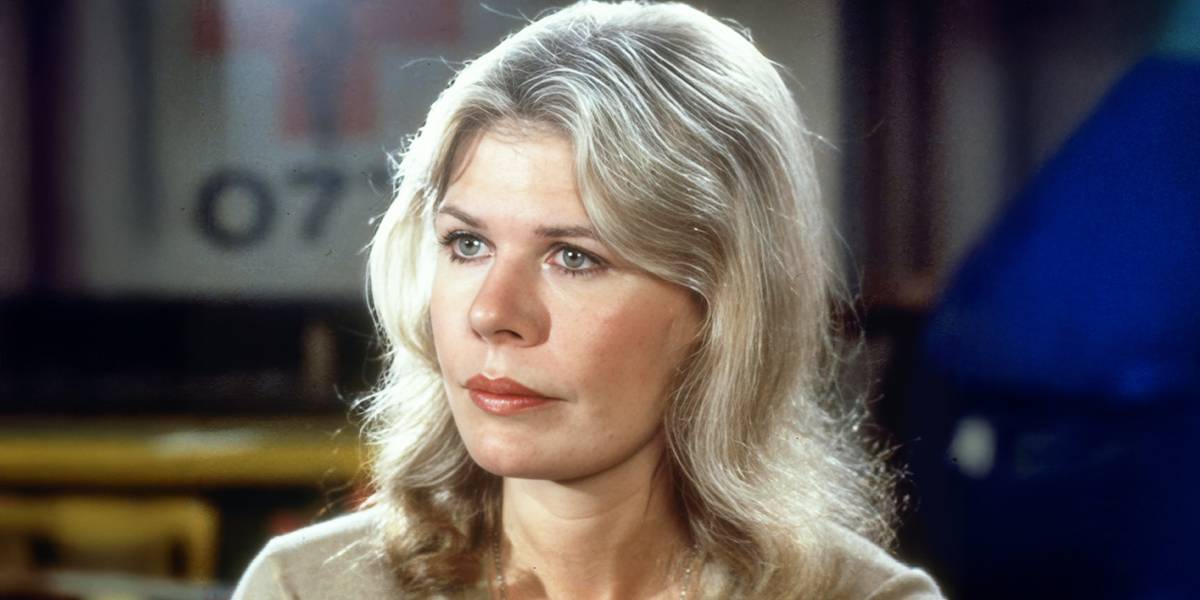
Some television shows age like milk. Others age like fine wine. And then there’s M*A*S*H — a series that, more than five decades after it first aired, somehow keeps getting more relevant, more resonant, and more worth your time with every passing year.
The CBS comedy-drama debuted in 1972, set against the backdrop of the Korean War, and ran for 11 seasons before signing off in 1983 with a finale that remains one of the most-watched broadcasts in American television history. That’s a well-known fact. What’s less discussed is why, in 2026, a show that premiered 54 years ago still holds up as one of the most emotionally intelligent, sharply written pieces of television ever made.
If you’ve never sat down with it — or if you watched it years ago and moved on — there’s a compelling case to be made that right now is the best possible time to revisit it.
What Made M*A*S*H Different From Everything Else on Television
M*A*S*H was built on a contradiction that most shows wouldn’t dare attempt. It was, on paper, a sitcom — complete with a laugh track for much of its run. But it dealt unflinchingly with death, trauma, moral injury, and the psychological cost of war in ways that prestige dramas of today still struggle to match.
Set at the 4077th Mobile Army Surgical Hospital during the Korean War, the series followed a rotating cast of surgeons, nurses, and support staff doing their best to stay sane while patching together soldiers who had been torn apart. The comedy wasn’t escapism from the horror — it was the characters’ response to it. That distinction matters enormously.
The show understood something that took the rest of television decades to catch up with: that humor and grief are not opposites. They live side by side in real human experience, and a story that holds both at once is far more truthful than one that chooses only one.
Why the Series Feels More Relevant in 2026 Than It Did at Its Peak
There’s something quietly striking about returning to M*A*S*H now. The conversations the characters have — about the futility of war, about institutional dysfunction, about people in authority making decisions that get ordinary people killed — land differently in the current moment than they might have even ten years ago.
The series never preached. It didn’t need to. It let the operating table do the talking. Characters like Hawkeye Pierce, played by Alan Alda, channeled their outrage into dark jokes and occasional breakdowns, because that was the only honest response available to them. Audiences watching today will likely recognize that emotional logic immediately.
The writing also rewards patience in a way that binge-watching culture actually suits. Early seasons lean harder into broad comedy. By the middle run, the show has found a tonal balance that is almost impossible to describe — funny, devastating, and completely human all at once. The later seasons push even further into dramatic territory, sometimes abandoning the laugh track entirely for episodes that play more like short films than sitcom installments.
A Quick Look at the Show’s Run — Season by Season Tone
| Season Range | Approximate Tone | Notable Shift |
|---|---|---|
| Seasons 1–3 | Broad comedy, lighter touch | Establishes core characters and setting |
| Seasons 4–7 | Comedy-drama balance at its peak | Deeper character development, emotional complexity |
| Seasons 8–11 | Heavier dramatic weight | Laugh track removed in many episodes; more experimental storytelling |
This tonal evolution is part of what makes M*A*S*H such an unusual binge-watch experience. You’re not watching the same show for 11 seasons — you’re watching a series grow up in real time.
The Characters Are the Real Reason People Keep Coming Back
Plot-driven television tends to fade from memory once you know how things end. Character-driven television stays with you. M*A*S*H is firmly in the second category.
Hawkeye Pierce is one of American television’s most complex protagonists — brilliant, funny, morally serious, and psychologically fragile in ways the show never shies away from. But the supporting cast is just as rich. Radar O’Reilly, Trapper John, B.J. Hunnicutt, Colonel Potter, Frank Burns, Margaret “Hot Lips” Houlihan, Father Mulcahy — each of them is drawn with enough specificity and contradiction to feel like a real person rather than a type.
What the show does particularly well is let characters be wrong. Frank Burns is often played for laughs, but the series also makes clear that his rigidity comes from somewhere real. Margaret Houlihan starts as a punchline and becomes one of the most fully realized characters in the entire run. That kind of writing — where people are allowed to be complicated and to change — is still relatively rare on television, even now.
What Happens When You Actually Sit Down and Watch It
The honest answer is that the first few episodes might feel slow to viewers raised on faster-paced modern television. The pacing is different. The jokes land differently. Give it three or four episodes, and something shifts.
By the time you hit the middle of the first season, the show has established enough trust with its audience to start doing things that genuinely surprise you. By the end of the series — and particularly in the two-and-a-half-hour finale, “Goodbye, Farewell and Amen,” which aired in February 1983 — the emotional payoff is unlike almost anything else television has produced before or since.
The finale drew approximately 106 million viewers in the United States at the time of its broadcast, a record that stood for decades. That number tells you something. So does the fact that people are still writing about why the show matters in 2026.
Frequently Asked Questions
How many seasons does M*A*S*H have?
M*A*S*H ran for 11 seasons on CBS, from 1972 to 1983.
How many viewers watched the M*A*S*H finale?
The series finale, “Goodbye, Farewell and Amen,” aired in February 1983 and drew approximately 106 million viewers in the United States, making it one of the most-watched broadcasts in American television history.
Is M*A*S*H worth watching today if you’ve never seen it?
Based on its enduring reputation and the way its themes continue to resonate, the series is widely considered one of the most rewarding long-form television watches available, particularly for viewers who appreciate character-driven storytelling.
Does M*A*S*H have a laugh track throughout?
The show used a laugh track in its earlier seasons, but removed it in many later episodes as the series shifted toward a heavier dramatic tone in its final years.
What is M*A*S*H actually about?
The series follows the staff of a Mobile Army Surgical Hospital during the Korean War, blending comedy and drama to explore themes of war, trauma, moral injury, and human resilience.
Who are the main characters in M*A*S*H?
The ensemble cast includes Hawkeye Pierce, Radar O’Reilly, Trapper John, B.J. Hunnicutt, Colonel Potter, Frank Burns, Margaret Houlihan, and Father Mulcahy, among others across the show’s 11-season run.



Leave a Reply