
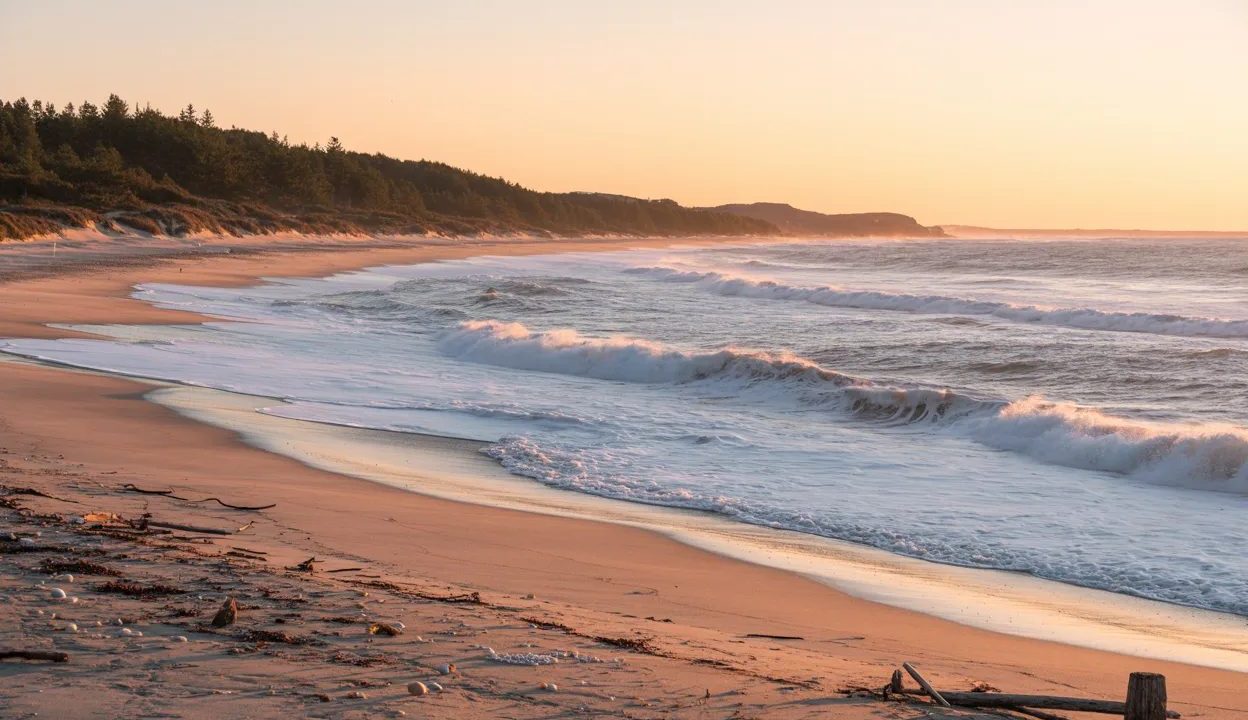
While Spain’s most famous coastlines buckle under the weight of record tourist numbers, a quiet stretch of Atlantic shore in Huelva province is drawing the attention of travellers who’ve simply had enough of the crowds. Mazagón, a low-key coastal town on the Costa de la Luz, is being highlighted by travel enthusiasts as one of the most compelling alternatives to the overcrowded Mediterranean resorts that have come to define mass tourism in Spain.
The shift is not accidental. As overtourism continues to strain destinations from Barcelona to Mallorca, more discerning travellers are actively searching for places that still feel genuinely unspoiled. Mazagón, it turns out, has been hiding in plain sight all along.
Located near Huelva on Spain’s southwestern Atlantic coast, Mazagón sits within reach of some of the country’s most ecologically rich landscapes — and yet it remains largely off the radar for international visitors. That, for many, is precisely the point.
Why Mazagón Is Capturing Attention Right Now
Spain is experiencing a genuine reckoning with overtourism. Popular coastal destinations have seen local protests, strained infrastructure, and a growing sense that the holiday experience in many parts of the country has become exhausted by its own success. Against that backdrop, the appeal of somewhere like Mazagón becomes obvious.
The Costa de la Luz — the “Coast of Light” — runs along Spain’s Atlantic-facing southwest, and it has long played second fiddle to the Costa del Sol and Costa Brava in terms of international recognition. But that relative obscurity is now its greatest asset. The beaches here are wide, the Atlantic wind keeps the air fresh, and the crowds that define August in Marbella or Ibiza are largely absent.
Mazagón sits at the heart of this quieter world. Travel observers note that the town offers what many Mediterranean resorts once promised but can no longer reliably deliver: space, calm, and an authentic sense of place.
What Makes Mazagón Different from Spain’s Busier Resorts
The distinction between Mazagón and Spain’s more saturated tourist destinations comes down to a few key qualities that are increasingly hard to find.
- Unspoiled beaches: Mazagón’s coastline remains largely undeveloped compared to the built-up shores of the Mediterranean. Long stretches of sand backed by pine forest create a natural buffer that mass tourism has not yet eroded.
- Atlantic character: The Costa de la Luz has a different personality from the Mediterranean coast — stronger breezes, a wilder feel, and water that reflects the open ocean rather than an enclosed sea.
- Proximity to natural reserves: The area sits close to the Doñana National Park, one of Europe’s most important wetland ecosystems, giving visitors access to extraordinary wildlife and landscapes just beyond the beach.
- Authentic local atmosphere: Without the infrastructure of mass tourism, Mazagón retains a local identity that many of Spain’s more famous resorts have traded away in exchange for visitor volume.
- Relative accessibility: Despite its unhurried character, the town is within reasonable reach of Huelva city and Seville, making it a practical choice rather than a purely remote escape.
| Feature | Mazagón / Costa de la Luz | Typical Mediterranean Resort |
|---|---|---|
| Crowd levels | Low to moderate | High, especially in summer |
| Beach character | Wide, natural, pine-backed | Often built-up and busy |
| Overtourism pressure | Minimal | Significant and growing |
| Natural surroundings | Near Doñana National Park | Varies; often heavily developed |
| International profile | Low — largely undiscovered | High — globally marketed |
Who This Actually Affects — and Who Stands to Benefit
The travellers most likely to find Mazagón genuinely transformative are those who have experienced the frustration of booking a Mediterranean holiday only to find the reality doesn’t match the brochure. Overbooked beaches, inflated prices driven by demand, and a sense of being processed rather than welcomed — these are the complaints that are pushing a growing number of people to look elsewhere.
For families, the wide natural beaches and calmer environment offer a more relaxed holiday than the frenetic pace of Spain’s busiest resorts. For solo travellers and couples, the combination of coastal beauty and proximity to Doñana National Park opens up possibilities that go well beyond lying on sand.
Local communities in Mazagón also stand to benefit from a measured increase in thoughtful tourism. Unlike destinations that have been overwhelmed by visitor numbers to the point of local backlash, Mazagón has the opportunity to develop a more sustainable relationship with the travellers it attracts — provided that growth remains gradual rather than explosive.
The broader context matters here too. Spain’s overtourism debate is not just an inconvenience for holidaymakers — it has real consequences for housing costs, environmental pressure, and the quality of life for residents in affected areas. Redistributing tourist interest toward less-visited places like Mazagón is one of the more practical responses to that challenge.
- Mazagón remains largely undiscovered by international tourists, preserving its natural coastal character and local atmosphere.
- Wide Atlantic beaches backed by pine forest offer space and calm that saturated Mediterranean shores can no longer reliably provide.
- Proximity to Doñana National Park gives visitors access to one of Europe's most significant wildlife ecosystems.
- Spain's most famous Mediterranean destinations are facing growing protests and infrastructure strain from record visitor numbers.
- Built-up coastlines and high seasonal demand have eroded the authentic local identity that once made these resorts appealing.
- Overtourism pressure is driving up costs and reducing quality of experience for both visitors and permanent residents.
What the Shift Toward Mazagón Could Mean Going Forward
The growing interest in Mazagón reflects a wider pattern in how travellers are beginning to make decisions. The era of defaulting to the most famous destination is giving way to something more considered — a search for places that still have something left to offer beyond a recognisable name.
Whether Mazagón can sustain its appeal as awareness grows will depend largely on how carefully its development is managed. The very qualities that make it attractive — its quietness, its natural setting, its distance from the tourist mainstream — are the things most vulnerable to being eroded if visitor numbers rise too sharply too quickly.
Travel observers suggest the window for experiencing Mazagón in its current form may not stay open indefinitely. Destinations that get written about tend to get discovered. The question is whether discovery, when it comes, arrives gently or all at once.
For now, though, the Costa de la Luz remains one of Spain’s most genuinely rewarding corners — and Mazagón sits at its sun-drenched heart, still largely to itself.
Frequently Asked Questions
Where exactly is Mazagón located?
Mazagón is a coastal town in Huelva province in southwestern Spain, situated along the Costa de la Luz on the Atlantic coast.
Why is Mazagón being recommended as a travel destination now?
Travel observers are highlighting Mazagón as a quieter, less commercialised alternative for travellers seeking relief from the overtourism affecting Spain’s more famous Mediterranean resorts.
What natural attractions are near Mazagón?
The town sits close to Doñana National Park, one of Europe’s most important wetland and wildlife ecosystems, offering visitors significant natural experiences beyond the beach.
Is Mazagón suitable for families?
The wide, natural beaches and calmer environment make it a practical and relaxed option for families, particularly those looking to avoid the crowded pace of Spain’s busiest coastal resorts.
Will Mazagón remain undiscovered as interest grows?
This has not yet been confirmed — but travel observers note that the qualities making Mazagón appealing are precisely those most at risk if visitor numbers increase too rapidly.
How does the Costa de la Luz differ from the Costa del Sol?
The Costa de la Luz faces the Atlantic rather than the Mediterranean, giving it a wilder, breezier character and significantly lower levels of international tourist development and crowd pressure.



Leave a Reply