
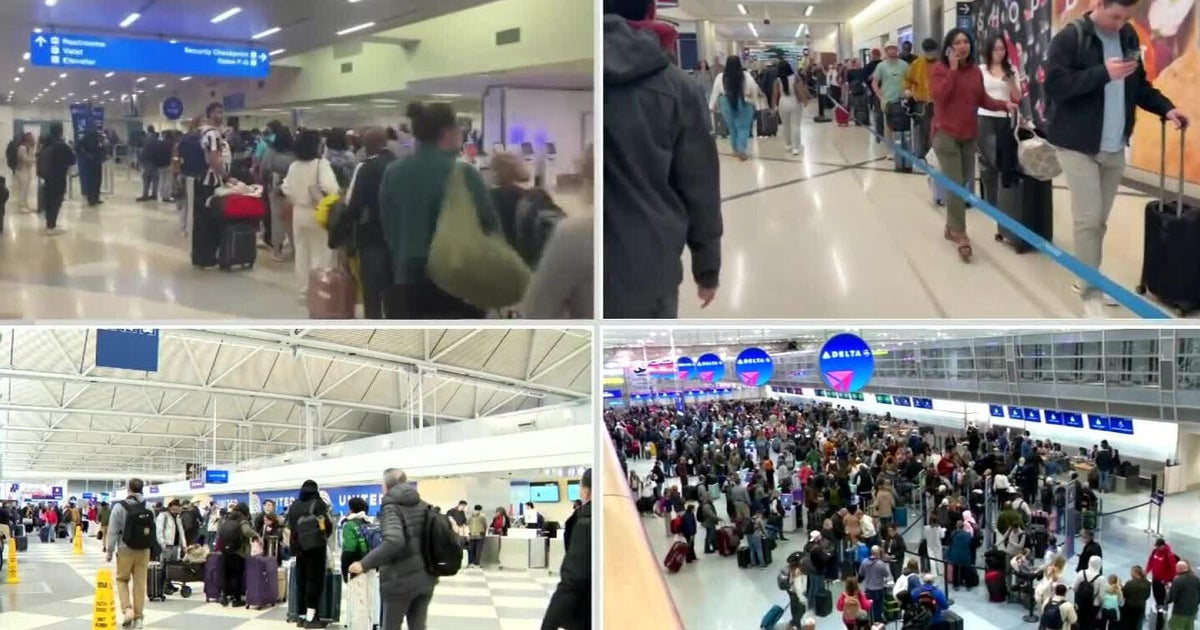
Ninety-eight flight delays and 24 cancellations. That’s the scale of disruption currently hitting three of the Middle East’s busiest aviation hubs — Kuwait International Airport, Abu Dhabi International Airport, and Cairo International Airport — with some of the region’s most prominent carriers caught squarely in the middle.
The disruptions are affecting a wide swath of travelers, from business passengers connecting through Gulf hubs to tourists and migrant workers relying on budget-friendly regional routes. Airlines including Gulf Air, EgyptAir, Qatar Airways, Etihad Airways, Emirates, and Kuwait Airways are all part of the picture, making this far more than a localized operational hiccup.
For anyone with travel plans touching the Middle East right now, this is worth paying close attention to. The corridors connecting Europe, Asia, and Africa through these three airports are among the most trafficked in the world — and when they buckle, the ripple effects spread fast.
(function(){var wrp=document.getElementById(“paap_stat_69c429b950e685.46989869”);if(!wrp)return;var ids=[“paap_stat_69c429b950e685.46989869_c0″,”paap_stat_69c429b950e685.46989869_c1”];var dur=1800;function ease(t){return 1-Math.pow(1-t,3);}function anim(){ids.forEach(function(id){var el=document.getElementById(id);if(!el)return;var tgt=parseFloat(el.getAttribute(“data-target”))||0;var pfx=el.getAttribute(“data-prefix”)||””;var sfx=el.getAttribute(“data-suffix”)||””;var dec=parseInt(el.getAttribute(“data-decimals”))||0;var st=null;function step(ts){if(!st)st=ts;var p=Math.min((ts-st)/dur,1);var v=ease(p)*tgt;el.textContent=pfx+v.toFixed(dec)+sfx;if(p<1)requestAnimationFrame(step);}requestAnimationFrame(step);});}if("IntersectionObserver" in window){var obs=new IntersectionObserver(function(e){e.forEach(function(en){if(en.isIntersecting){anim();obs.disconnect();}});},{threshold:0.2});obs.observe(wrp);}else{anim();}})();
What’s Actually Happening Across These Three Airports
Recent operational data from Kuwait International Airport, Abu Dhabi International Airport, and Cairo International Airport points to a clear and measurable spike in both cancellations and delays. The disruptions aren’t uniform — each airport is experiencing a different pattern of stress.
At Kuwait International Airport, the situation is characterized by a high cancellation ratio relative to delays. That’s an unusual dynamic. Typically, airlines prefer to delay a flight rather than cancel it outright, since cancellations trigger rebooking obligations and compensation requirements. When cancellation rates climb sharply, it usually signals something more serious than routine congestion — whether that’s crew availability issues, slot restrictions, or broader operational constraints.
Abu Dhabi International Airport and Cairo International Airport are contributing to the delay count, with disruptions varying based on operational load and the specific destinations being served. Routes connecting to Europe, Asia, and Africa appear to be among the most affected, given the density of traffic along those corridors.
The airlines involved span the full spectrum of Middle Eastern aviation — from flagship carriers like Emirates and Etihad Airways to national operators like Kuwait Airways and EgyptAir, alongside regional players such as Gulf Air and Qatar Airways. That breadth of impact suggests the disruption is systemic rather than isolated to a single carrier’s operations.
Airports and Airlines Most Affected by the Middle East Flight Disruptions
Here’s a breakdown of what’s confirmed across the three affected airports and the carriers involved:
- Kuwait International Airport: High cancellation ratios with comparatively minimal delays — an atypical pattern that points to deeper operational strain
- Abu Dhabi International Airport: Delays varying by destination and operational load
- Cairo International Airport: Disruptions affecting both regional and international traffic
The following carriers are confirmed as part of the disruption picture:
| Airline | Home Hub | Type of Carrier |
|---|---|---|
| Gulf Air | Bahrain | National carrier |
| EgyptAir | Cairo | National carrier |
| Qatar Airways | Doha | State-owned flag carrier |
| Etihad Airways | Abu Dhabi | State-owned flag carrier |
| Emirates | Dubai | State-owned flag carrier |
| Kuwait Airways | Kuwait City | National carrier |
(function(){function loadChartJs(cb){if(window.Chart){cb();return;}var s=document.createElement(“script”);s.src=”https://cdn.jsdelivr.net/npm/chart.js@4.4.0/dist/chart.umd.min.js”;s.onload=cb;document.head.appendChild(s);}function initChart(){var cv=document.getElementById(“paap_chart_69c429b950f535.03270726”);if(!cv)return;var dv=[“98″,”24″,”6+”];new Chart(cv,{type:”bar”,data:{labels:[“Total Delays”,”Total Cancellations”,”Airlines Affected”],datasets:[{data:[98,24,6],backgroundColor:[“#3b82f6″,”#10b981″,”#f59e0b”],borderRadius:6,borderSkipped:false}]},options:{indexAxis:”y”,responsive:true,maintainAspectRatio:false,animation:{duration:1200,easing:”easeOutQuart”},plugins:{legend:{display:false},tooltip:{callbacks:{label:function(ctx){return dv[ctx.dataIndex]||ctx.formattedValue;}}}},scales:{x:{grid:{color:”#e5e7eb”},ticks:{color:”#6b7280″}},y:{grid:{display:false},ticks:{color:”#1a1a1a”,font:{weight:600}}}}}});}var cv=document.getElementById(“paap_chart_69c429b950f535.03270726”);if(!cv)return;if(“IntersectionObserver” in window){var obs=new IntersectionObserver(function(e){e.forEach(function(en){if(en.isIntersecting){loadChartJs(initChart);obs.disconnect();}});},{threshold:0.1});obs.observe(cv);}else{loadChartJs(initChart);}})();
Who Gets Hurt When Middle East Hubs Stall
The practical impact of these disruptions reaches far beyond inconvenience. The three airports in question — Kuwait, Abu Dhabi, and Cairo — serve as critical transit points for millions of passengers annually. When delays and cancellations pile up at this scale, the consequences cascade quickly.
Travelers connecting through Abu Dhabi on Etihad, for instance, may find themselves stranded mid-journey if their inbound flight arrives late and their onward connection has already departed. Airlines operating tight turnaround schedules — as most Gulf carriers do — have limited buffer time to absorb delays before they compound.
For passengers originating in Cairo, EgyptAir disruptions can mean missed connections to destinations across Europe and sub-Saharan Africa, routes that often have limited frequency. Rebooking on alternative flights isn’t always straightforward when the next available seat is 24 or 48 hours away.
The human cost is real: business travelers missing meetings, families separated during transit, and workers — particularly the large migrant labor population that relies on Gulf Air and Kuwait Airways routes — facing unexpected costs and lost wages from extended delays.
Travelers on routes connecting Europe, Asia, and Africa through these hubs are specifically flagged as being among the most exposed to ongoing disruptions. Those are some of the world’s busiest long-haul corridors, which means even a modest disruption at a transit hub can strand a significant volume of passengers.
What Travelers Should Watch for Going Forward
The data captured here reflects a specific operational snapshot, but disruption patterns at major hubs tend to persist until the underlying causes — whether staffing, airspace congestion, technical issues, or demand spikes — are addressed.
Anyone traveling through Kuwait, Abu Dhabi, or Cairo in the near term should check flight status directly with their airline before heading to the airport. Given the high cancellation ratio at Kuwait specifically, passengers on Kuwait Airways or Gulf Air routes should have a contingency plan ready.
For connecting passengers, building in extra layover time at any of these three airports is a practical safeguard right now. The disruption data shows that both cancellations and delays are elevated simultaneously — meaning even travelers who aren’t directly cancelled may find their connections at risk.
Airlines operating through these hubs have not yet issued broad public advisories based on the available information, but the operational data speaks clearly. Until the numbers stabilize, flexibility in travel plans will matter more than usual.
Frequently Asked Questions
Which airports are currently experiencing the most flight disruptions in the Middle East?
Kuwait International Airport, Abu Dhabi International Airport, and Cairo International Airport are the three hubs confirmed to be experiencing elevated cancellations and delays.
How many flights have been delayed or cancelled?
Operational data shows 98 delays and 24 cancellations across the three airports combined.
Which airlines are affected by these disruptions?
Gulf Air, EgyptAir, Qatar Airways, Etihad Airways, Emirates, and Kuwait Airways are all confirmed as part of the disruption picture, along with other carriers.
Which routes are most at risk?
Flights connecting Europe, Asia, and Africa through these Middle Eastern hubs are specifically identified as among the most affected by current disruptions.
Why is Kuwait Airport’s cancellation pattern unusual?
Kuwait International Airport is showing a high ratio of cancellations relative to delays, which is atypical — airlines normally prefer delays over cancellations due to the added obligations cancellations create.
Should I contact my airline before traveling through these airports?
Yes — given the elevated disruption levels, checking your flight status directly with your carrier before departing for the airport is strongly advisable for any travel touching these three hubs.



Leave a Reply