
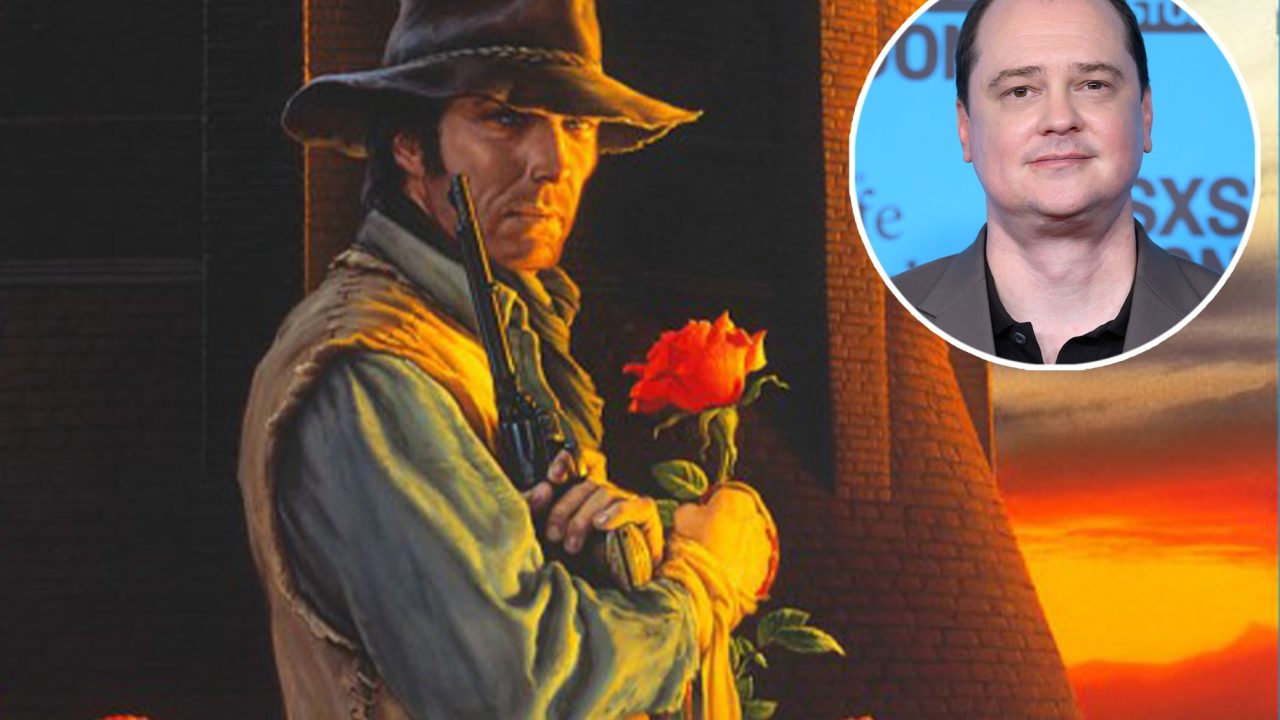
Few Stephen King stories have been adapted as many times as Carrie — and yet, fans and critics have long argued that none of those versions have fully gotten it right. Now, with horror auteur Mike Flanagan attached to develop a new television series based on King’s debut novel, there’s a genuine case to be made that the format itself might finally be the fix the story has needed all along.
The original 1974 novel, the 1976 Brian De Palma film, the 2002 TV movie, and the 2013 theatrical remake have each taken their own approach to the material. But a serialized television format — particularly in the hands of a director with Flanagan’s track record — could address something none of those versions were ever really built to solve.
The question isn’t whether Carrie is a great story. It clearly is. The question is whether film, as a format, has ever been long enough to tell it properly.
Why Every Previous Version of Carrie Has Left Something Behind
Stephen King’s novel is structurally unusual. It’s told partly through fictional news reports, government commission transcripts, and survivor testimonies — a layered, documentary-style narrative that gives the story much of its weight and dread. The reader doesn’t just watch Carrie White’s tragedy unfold; they experience the community’s reckoning with it afterward.
That structure has never translated well to film. Movies, by necessity, strip the story down to its most cinematic moments: the bullying, the prom, the blood, the fire. What gets lost is the deeper social anatomy King was dissecting — the town, the teachers, the parents, the culture that produced Carrie and then destroyed her.
A television series doesn’t have that problem. With multiple episodes to fill, a showrunner can restore the epistolary framing, develop the supporting characters, and let the horror build the way King intended — slowly, socially, and with genuine consequence.
What Mike Flanagan Brings to the Table
Flanagan has built one of the most distinctive bodies of work in modern horror television. His Netflix series — including The Haunting of Hill House, Midnight Mass, and The Fall of the House of Usher — are known precisely for doing what most horror films can’t: taking their time with character, grief, and the psychological mechanics of fear.
He’s also one of the few filmmakers working today who has demonstrated a genuine ability to adapt difficult literary source material without flattening it. His version of The Haunting of Hill House reimagined Shirley Jackson’s novel entirely while preserving its emotional core. His Doctor Sleep managed to bridge King’s sequel novel with Kubrick’s famously divergent film adaptation — a task most considered nearly impossible.
That combination of skills — long-form storytelling, literary sensitivity, and horror craftsmanship — makes him an unusually strong fit for a project like Carrie.
The Specific Flaw a TV Series Could Actually Fix
The biggest structural problem with every Carrie adaptation so far is the ending — or more precisely, what happens after the ending.
In King’s novel, the prom massacre is not the conclusion. It’s the climax of a much longer story about accountability, small-town denial, and the way communities process violence they helped create. The book’s aftermath — the investigations, the testimonies, the quiet devastation of survivors — is where King delivers his sharpest observations about American social life.
Films don’t have room for that. They end with the fire and the blood and maybe one final scare. The reckoning never comes. The town never has to sit with what it did.
A serialized series could change that entirely. It could open with the aftermath and tell the origin story in parallel — which is, in fact, closer to how King’s novel is actually structured. That approach would make the tragedy feel less like a horror set piece and more like the social indictment it was always meant to be.
How This Project Fits Into the Broader King Adaptation Landscape
| Adaptation | Year | Format | Notable For |
|---|---|---|---|
| Carrie (De Palma) | 1976 | Theatrical Film | Iconic prom scene; Sissy Spacek performance |
| Carrie (TV Movie) | 2002 | Television Movie | Attempted series pilot; not picked up |
| Carrie (Remake) | 2013 | Theatrical Film | Chloë Grace Moretz; updated setting |
| Carrie (Flanagan Series) | TBD | Television Series | First long-form serialized version |
King adaptations have had a complicated relationship with television. Some, like It and the original The Stand miniseries, found real success in longer formats. Others struggled. But the current prestige TV era — with its willingness to fund ambitious, auteur-driven genre work — is a meaningfully different environment than anything that existed during previous Carrie attempts.
Flanagan’s involvement signals that this won’t be a rushed cash-in on a familiar title. His projects take years to develop and carry a consistent creative vision throughout. That’s exactly the kind of commitment a story like Carrie has always deserved and never quite received.
What Fans and Critics Are Watching For
For King fans, the hope is straightforward: that the series will finally restore the novel’s structural complexity and let the quieter, more devastating parts of the story breathe. The prom scene will always be the centerpiece — that’s unavoidable — but the measure of this adaptation will be everything surrounding it.
For horror audiences more broadly, the Flanagan Carrie series represents something worth paying attention to regardless of familiarity with His track record suggests a series that will use the horror genre to say something real about how cruelty operates in ordinary communities — which is, after all, exactly what King was doing in 1974 when he nearly threw the manuscript away.
Frequently Asked Questions
Who is developing the new Carrie TV series?
Mike Flanagan, the director and showrunner known for The Haunting of Hill House and Midnight Mass, is attached to develop the series based on Stephen King’s novel.
How many times has Carrie been adapted before?
There have been three notable screen adaptations prior to Flanagan’s project: the 1976 Brian De Palma film, a 2002 television movie, and a 2013 theatrical remake.
What makes a TV series format better suited to Carrie than a film?
King’s novel uses a layered, documentary-style structure with testimonies and transcripts that films have consistently had to cut. A serialized format allows more room to preserve that complexity and develop the story’s social themes.
What is the biggest flaw the TV series could fix?
Every film adaptation has ended at the prom massacre without exploring the aftermath King wrote — the investigations, survivor accounts, and community reckoning that form a significant part of the novel’s impact.
Has a Carrie TV series been attempted before?
Yes. The 2002 version was produced as a television movie with the intent of launching a series, but it was not picked up for a full run.
When will Flanagan’s Carrie series be released?
A release date has not yet been confirmed. The project is currently in development.

Leave a Reply