
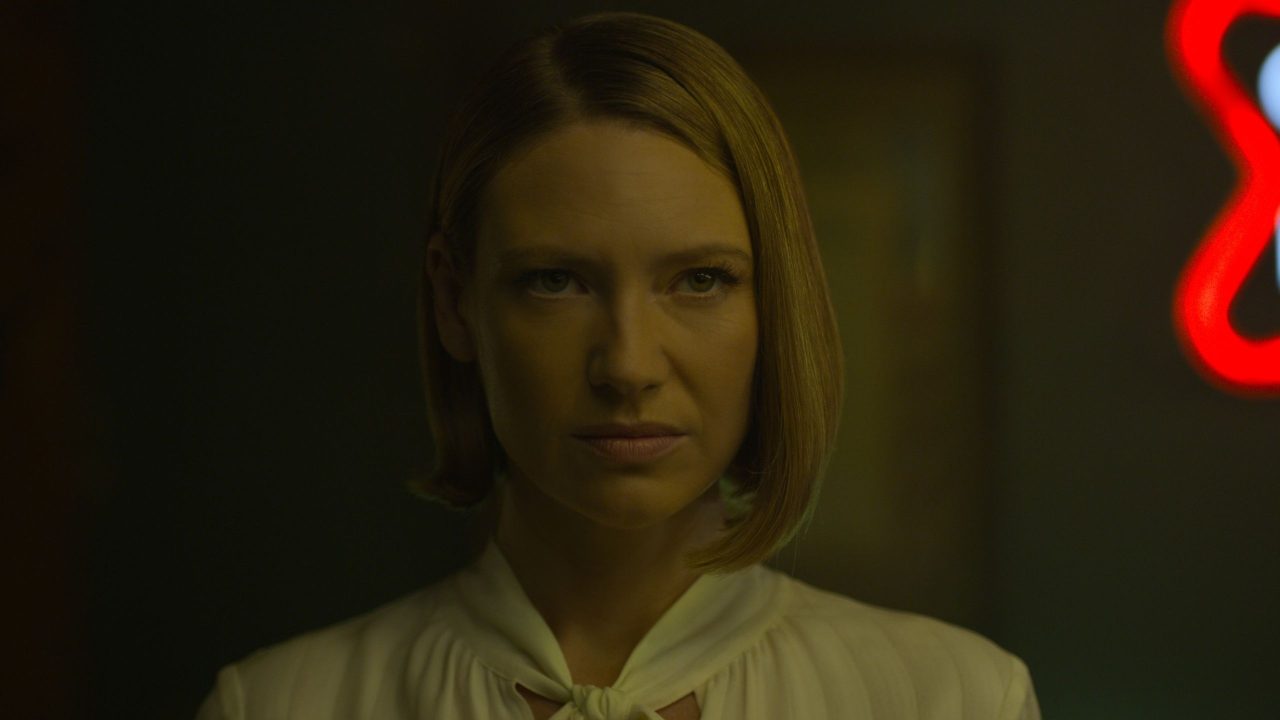
Some TV series are worth watching once. A rare few are worth watching again and again — not because you forgot what happened, but because each rewatch reveals something new. Netflix’s Mindhunter is exactly that kind of show, and it remains one of the most compelling crime thrillers the platform has ever produced.
Spanning two seasons, the series has built a reputation that only seems to grow stronger with time. Viewers who finished it years ago still find themselves returning to it, and first-time watchers often report finishing both seasons and immediately starting over. That kind of rewatchability is genuinely rare in prestige television.
If you haven’t seen it yet — or if you’re looking for a reason to go back — here’s why Mindhunter continues to hold up as one of Netflix’s best.
What Mindhunter Is Actually About
Mindhunter is a crime drama series available on Netflix, based on the true story of the FBI’s Behavioral Science Unit in the late 1970s and early 1980s. The show follows FBI agents who pioneered the practice of interviewing convicted serial killers in order to understand how they think — and ultimately, to help solve active murder cases.
The series draws from real history, depicting the early days of criminal profiling as a legitimate investigative tool. It’s not a procedural in the traditional sense. There are no dramatic chase scenes or last-minute rescues. Instead, the tension comes from conversations — long, unsettling, psychologically rich interviews with some of the most dangerous people ever imprisoned.
That restraint is part of what makes it so effective, and so rewatchable. The first time through, you’re absorbing the story. The second time, you start catching the details you missed — the body language, the subtle manipulation happening on both sides of the table, the way the investigators are slowly changed by what they’re learning.
The Real History Behind the Show
The series is grounded in documented FBI history, which gives it a weight that purely fictional crime dramas often lack. The Behavioral Science Unit it depicts was a real division, and the practice of systematically interviewing incarcerated killers to build psychological profiles was genuinely groundbreaking at the time.
That factual foundation is part of what makes rewatching so rewarding. Viewers who go back armed with more knowledge — either from research or from simply having seen where the story goes — find the earlier episodes read completely differently. Moments that seemed like background detail reveal themselves as carefully placed foreshadowing.
The show ran for two seasons on Netflix before its future became uncertain. Despite strong critical reception and a dedicated audience, a third season has not been confirmed, leaving the story at a point that feels deliberately unresolved — which, paradoxically, makes returning to the beginning feel even more meaningful.
Why This Show Rewards Repeat Viewing
Most thrillers are built around suspense — will the killer be caught? Once you know the answer, the tension evaporates. Mindhunter is structured differently. The suspense isn’t really about outcomes. It’s about psychology, process, and the slow moral erosion that comes with spending years inside the minds of violent criminals.
On a second or third watch, viewers consistently report noticing things they missed entirely the first time:
- The way certain interview subjects subtly manipulate the agents conducting the sessions
- Early signs of psychological strain in characters that become much more significant later
- Thematic threads about institutional resistance to new ideas that run quietly through both seasons
- The deliberate pacing choices that feel slow at first but reveal themselves as intentional on rewatch
- Background details and visual storytelling that reward close attention
This layered quality — the sense that the show is always doing more than it appears to be doing — is what separates genuinely rewatchable television from content that simply fills time.
How the Two Seasons Compare
| Feature | Season 1 | Season 2 |
|---|---|---|
| Primary Focus | Establishing the interview program and methodology | Applying profiling to active real-world cases |
| Tone | Exploratory, procedural groundwork | Darker, more psychologically intense |
| Structural Approach | Character and concept introduction | Expanded scope and higher stakes |
| Rewatchability Factor | High — foundational details land differently on rewatch | Very high — payoffs from Season 1 become clear |
Both seasons are available on Netflix, and most viewers find that watching them back-to-back — or returning to Season 1 immediately after finishing Season 2 — produces a noticeably different experience than the first viewing.
Where Things Stand Now
Mindhunter currently sits in an unusual position for a critically praised series: beloved by its audience, unresolved in its story, and without a confirmed continuation. Netflix has not announced a third season, and the show’s future remains an open question.
For viewers, that ambiguity has become part of the show’s identity. It exists as a two-season story that feels simultaneously complete and unfinished — which, for a series about the impossible task of understanding human violence, might be entirely appropriate.
What’s certain is that both seasons remain on the platform and continue to attract new viewers, many of whom arrive via word of mouth from people who watched it years ago and still think about it. That kind of lasting impact is the clearest possible sign of quality.
Frequently Asked Questions
Is Mindhunter based on a true story?
Yes. The series is based on the real history of the FBI’s Behavioral Science Unit and its early development of criminal profiling techniques in the late 1970s and early 1980s.
How many seasons of Mindhunter are on Netflix?
There are two seasons of Mindhunter currently available on Netflix.
Will there be a Season 3 of Mindhunter?
As of now, Netflix has not confirmed a third season. The show’s future remains uncertain despite its strong critical reputation and dedicated fanbase.
Why do people rewatch Mindhunter?
Viewers consistently report that the show reveals new layers on repeat viewings — particularly in how characters are subtly changed by their work and how earlier scenes read differently once you know where the story goes.
Is Mindhunter suitable for all viewers?
The series deals with real and disturbing subject matter related to violent crime and serial killers, and is intended for mature audiences comfortable with psychologically intense content.
Do I need to watch both seasons to get the full story?
Both seasons build on each other significantly, and most viewers find the experience is strongest when both are watched in sequence — with many recommending an immediate rewatch after finishing Season 2.


Leave a Reply